Kos in May: How Warm It Is and What to Expect
Kos in May averages 23.8°C by day and 16.6°C at night, warm enough for sightseeing and long lunches, with the sea and season still waking up.
On this page
May is the month Kos quietly becomes a good bet. Average daytime highs reach 23.8 °C (74.8 °F) and nights settle around 16.6 °C (62.9 °F), according to the Hellenic National Meteorological Service normals for Kos airport covering 1991 to 2020. That is warm enough for full days outdoors without the furnace of high summer.
The catch is the water and the wind. The Aegean takes weeks to catch up with the air, so swimming is brisk rather than balmy, and meltemi breezes can make a sunny afternoon feel cooler than the number suggests. If you want heat and a warm sea, June is the honest choice; see our guide to where is warm in Europe in May for warmer alternatives across the Mediterranean.
May weather in Kos
Expect a typical May day to start bright and mild, climb to the low twenties by early afternoon, and cool to a light-jacket evening. The official normals put the average daily maximum at 23.8 °C (74.8 °F) and the average daily minimum at 16.6 °C (62.9 °F), which describes a comfortable, not hot, month.
Sunshine is generous and rain becomes occasional rather than routine as the month goes on, though May can still deliver a grey, breezy spell that clears within a day or two. The HNMS climate service does not publish usable monthly rainfall totals or sunshine sums for Kos in that service, so treat any fixed figure you see elsewhere with suspicion.
These are long-term averages, not a forecast. For a specific trip, look at a short-range forecast in the final week before you travel rather than a month-ahead outlook, because May weather on the Dodecanese swings considerably from one year to the next.
Is it warm enough?
For sightseeing, walking and eating outside, yes. Kos Town's archaeological sites, the harbour front and the island's inland villages are far more pleasant in the low twenties than in July's mid-thirties, and you can move through a full day without hiding from the sun at midday. Families with small children and anyone who wilts in heat will find May close to ideal.
For lying on a beach all day and swimming for hours, it is a compromise. Days are sunny and the sand is pleasant, but the sea is still cold and a breeze off the water can be sharp, so most people swim briefly rather than bathe. If a warm sea is the point of the holiday, push to June.
Sunbathers who mainly want to sit out with a book will be content, especially in the second half of the month and on the sheltered south coast around Kefalos. Anyone chasing guaranteed heat, water sports and long dinners in short sleeves should look at the last week of May at the earliest.
Early vs late May
The first week behaves like a brighter version of April: mild afternoons, genuinely cool evenings and a sea that has barely warmed. The last week behaves much more like early summer, with afternoons pushing towards the mid-twenties and evenings comfortable enough for sitting outside without a jacket. Our guide to Kos in april covers this in depth.
Compared with April, May adds roughly five degrees to the daytime high, according to the same normals: 19.2 °C (66.6 °F) in April against 23.8 °C (74.8 °F) in May. June jumps again to 28.5 °C (83.3 °F), so May sits on the gentler side of the summer step-change.
If your dates are flexible, aim for the last ten days of the month. You get most of June's brightness with more of April's calm, and the difference in how the evenings feel is noticeable rather than marginal.
What is open as the season opens
May is when the island shakes off winter. Most tavernas, cafés and seafront places in Kos Town and along the main resort strips are trading again, and boat trips and day excursions are running, though some operators start the season with reduced timetables and add departures as demand builds.
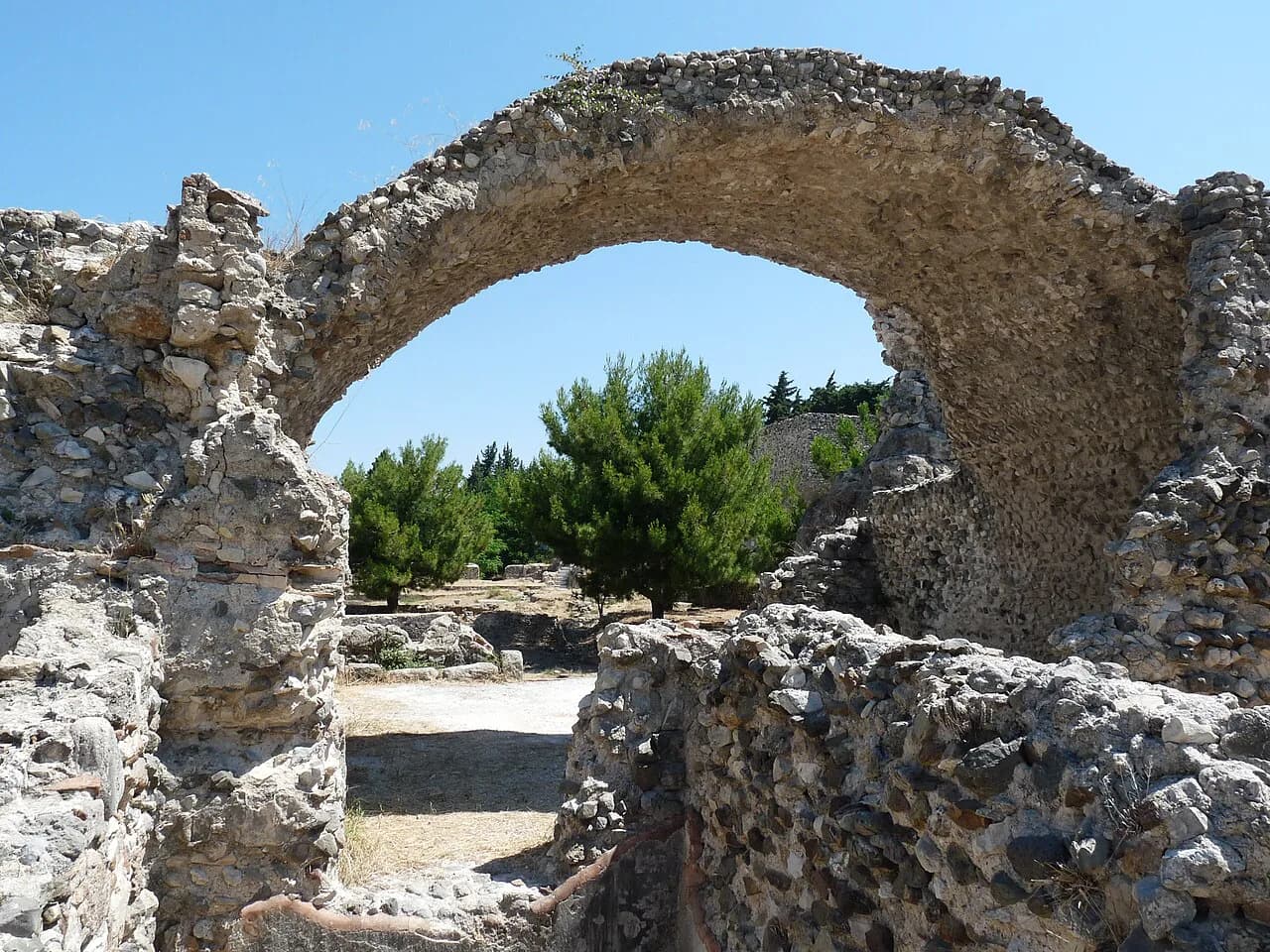
The archaeological sites, including the Asklepieion and the castle and ancient ruins around Kos Town, are open year-round on national schedules, so May needs no special planning beyond turning up earlier in the day. Ferry connections through the Dodecanese also operate, but timetables change with the season, so check current sailings once your dates are fixed.
Beach clubs and some waterfront restaurants on quieter stretches may still be setting up in early May, opening at weekends or with limited menus. Head for the busier parts of the island if you want everything running, and treat the quieter coves as a bonus rather than a guarantee.
Things to do in Kos in May
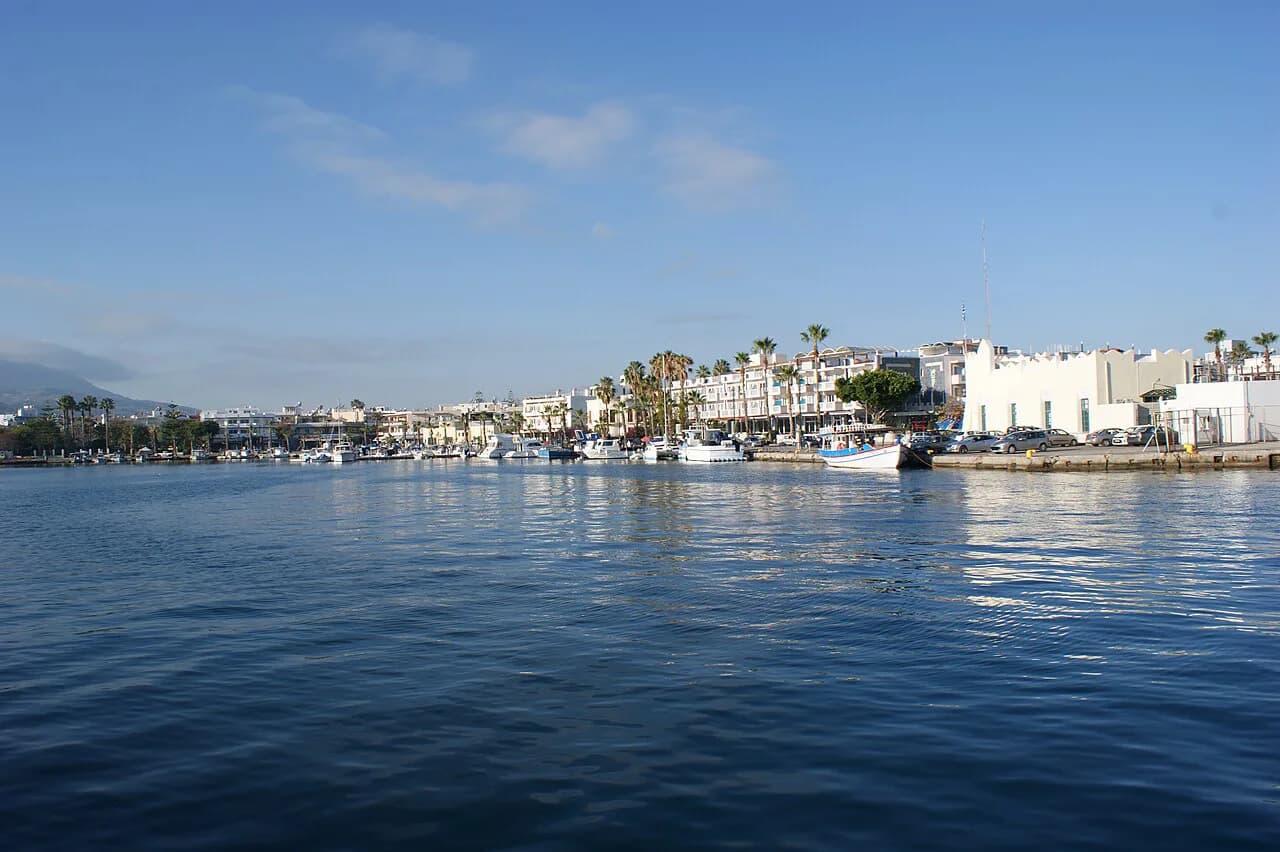
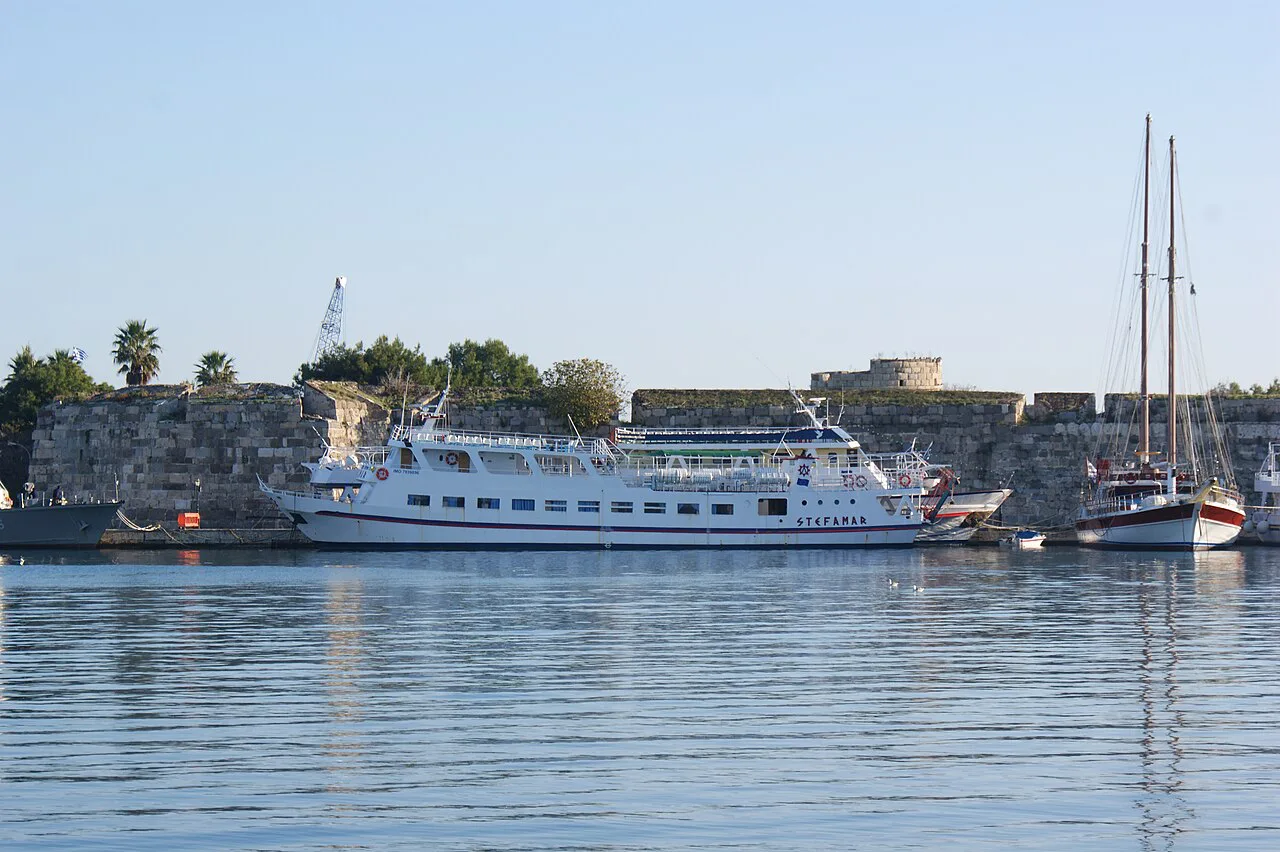
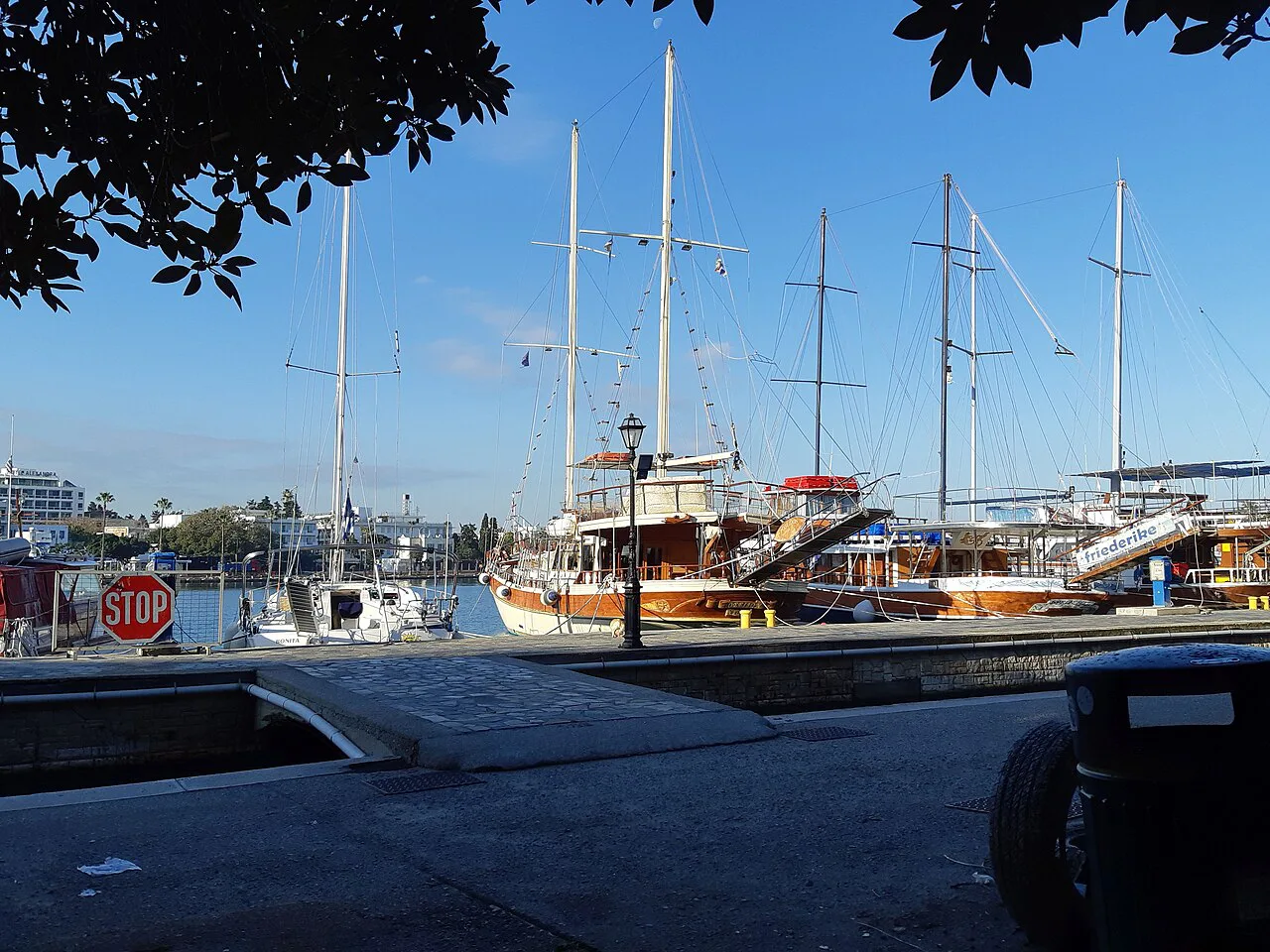
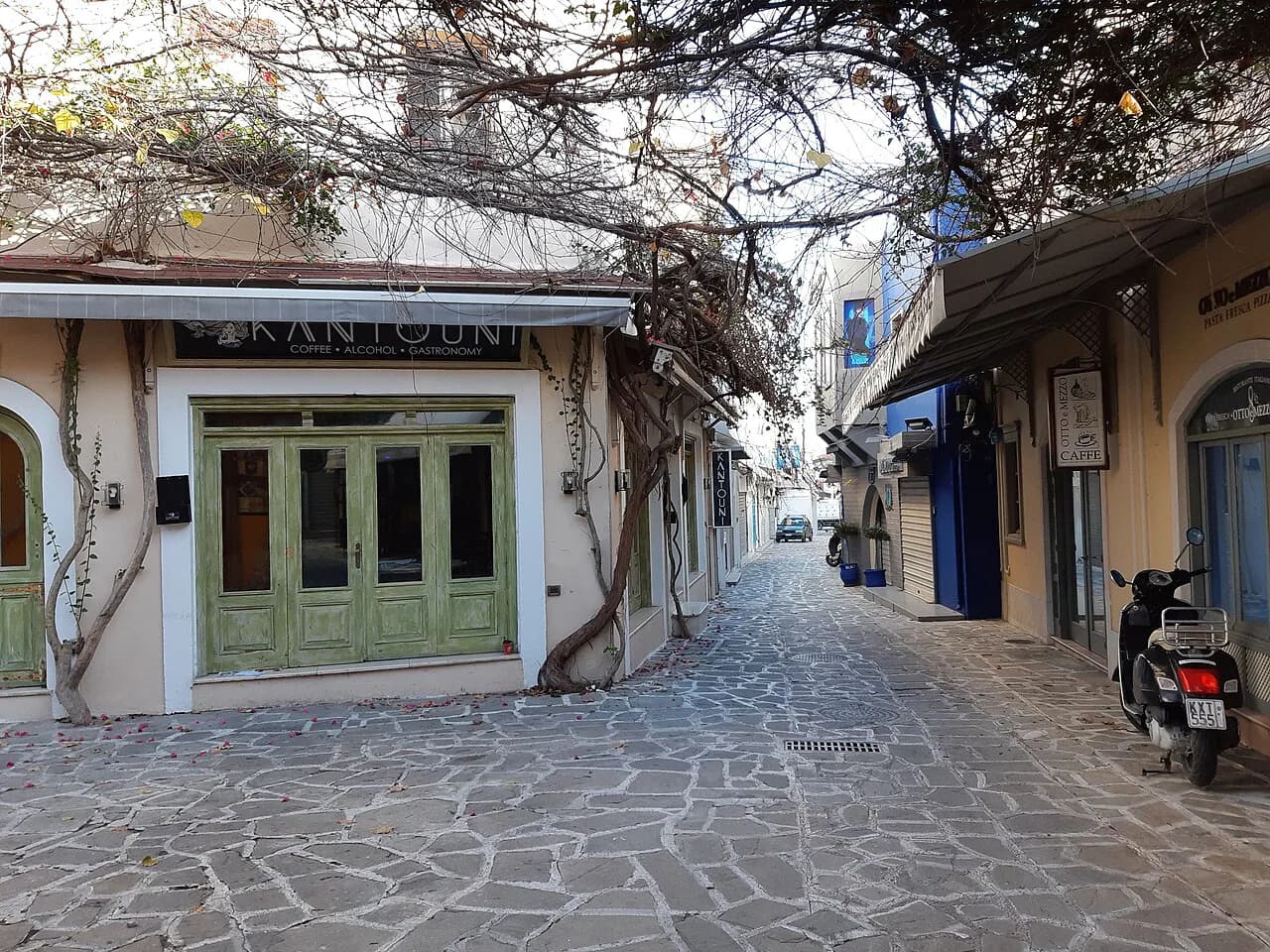
Kos Town is the natural base: the plane-tree square by the mosques, the harbour, the Roman and Hellenistic remains scattered through the streets, and the Asklepieion on its terraced hillside a short drive away. In the mid-twenties you can walk the whole town and climb the site without overheating.
Inland, Zia in the foothills of Mount Dikeos is the classic sunset stop, and in May the walk up through the village is pleasant rather than punishing. The south coast around Kefalos offers quieter beaches and a slower pace, with the ruined basilica and the views back towards the mainland worth the drive.
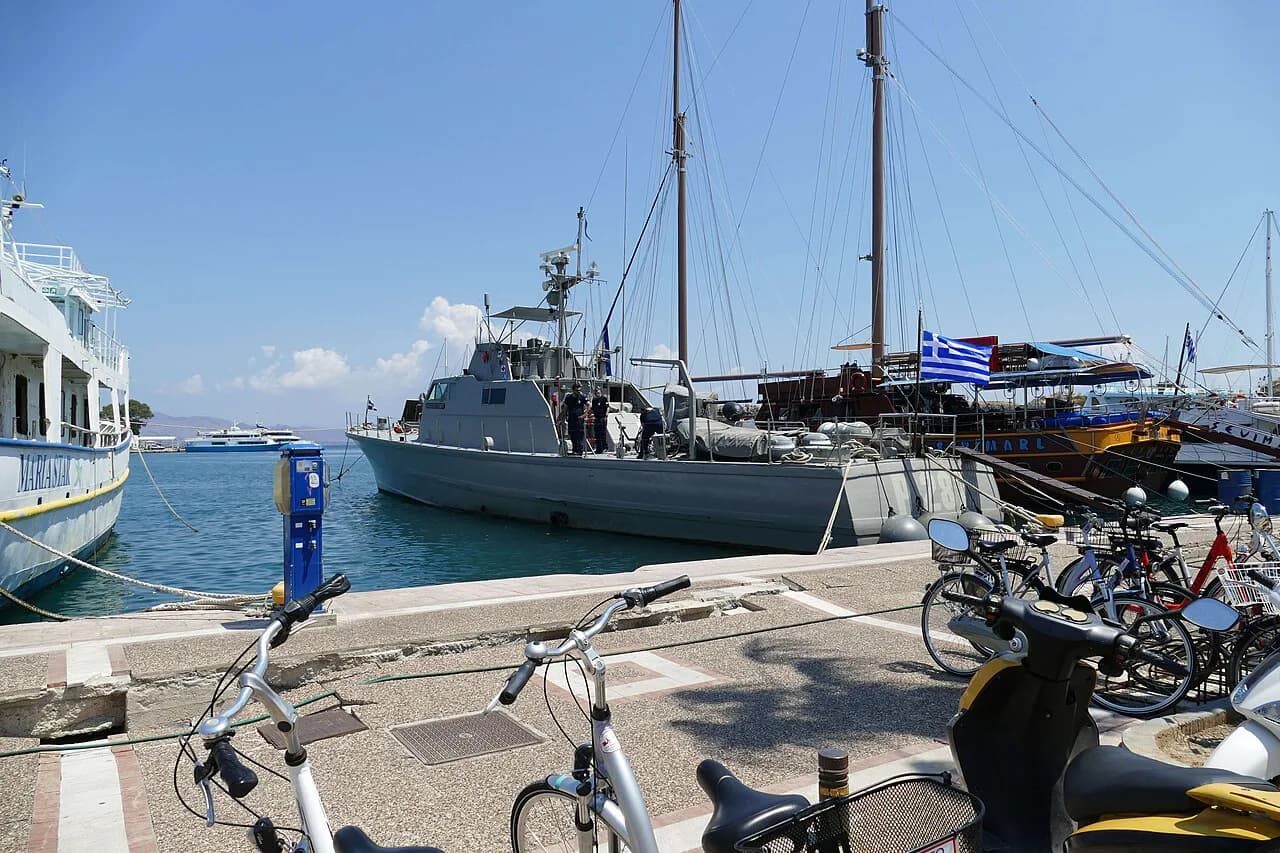
May is also the month for the island's softer pleasures: cycling the flat roads around Kos Town, walking the coastal paths, and eating outdoors without the midsummer rush. Spring produce and grilled fish suit the temperature, and lunches tend to stretch longer than planned.
For a wider view of the region at this time of year, including islands with a head start on the season, read our guide to where is warm in Europe in May and compare before you commit.
Crowds and prices
May is busy but not crowded. The UK bank holidays and half term push up demand for a week or so, and when Greek Easter falls late it brings a surge of domestic visitors and family gatherings, but outside those windows the island feels relaxed and the beaches have room.
Prices are mid-season rather than peak: higher than April, clearly below July and August, with more negotiating room on car hire and excursions than in high summer. Book accommodation and flights early if your dates land on a bank holiday weekend, when the cheaper rooms go first.
Honest drawbacks
Evenings are cool, particularly in early May, and a sea breeze can turn a sunny afternoon chilly on the exposed north coast. Rain is possible, occasionally as a proper downpour that closes the beach for a morning, so build some flexibility into your plans rather than booking every day solid.
The sea is the real compromise. It lags well behind the air temperature in May and feels bracing for the first few minutes, so swimmers should temper expectations, and anyone planning to spend the holiday in the water should look at June instead.
Some seasonal places are still opening, ferries and boat trips may run reduced schedules, and the heat is not yet reliable enough to plan every day around the beach. None of this is a problem for a sightseeing trip; it is a problem if you wanted guaranteed summer.
Kos in May or June?
Choose May for walking, archaeology, village lunches, cycling and a quieter island at lower cost. Choose June for warm sea, long beach days, dependable heat and a fully open season, accepting higher prices and busier resorts. The step from 23.8 °C to 28.5 °C between the two months is the whole difference.
If you are travelling with young children or prefer gentle temperatures, May wins comfortably. If the holiday is about swimming and sunbathing, book June, or head further south; our comparison of destinations helps if you are weighing where is warm in Europe in April.
How April and June bracket a May trip
If you are weighing May against the shoulder months on either side, the published climate normals for the Kos airport station give a clear picture of how the warmth builds. In April the average daily maximum is 19.2 °C and the average daily minimum is 12.9 °C. By May those figures rise to an average daily maximum of 23.8 °C and an average daily minimum of 16.6 °C. June pushes further still, with an average daily maximum of 28.5 °C and an average daily minimum of 20.7 °C. Read as a sequence, May sits roughly midway between a mild April and a properly hot June, which is why it suits travellers who want warm days without the full summer heat.
The same normals cover the period 1991-2020 and come from the Hellenic National Meteorological Service, station Kos, so they are long-term averages rather than a forecast for any particular week. That matters when you plan days: an average daily maximum of 23.8 °C describes a typical May afternoon, not a guarantee, and the average daily minimum of 16.6 °C describes the cooler end of a typical May night. The gap between the two is around seven degrees, so a light layer for the evening is worth packing even when the daytime figure looks generous.
For deciding whether Kos will be warm enough in spring, the temperature normals are the solid ground: April at 19.2 °C maximum and 12.9 °C minimum, May at 23.8 °C and 16.6 °C, June at 28.5 °C and 20.7 °C. A traveller who wants dependable daytime warmth should look at late May rather than early April, and anyone sensitive to heat may prefer May over June, when the average daily maximum climbs by almost five degrees.
The verdict
May is one of the best-value months for Kos: warm enough for everything except long swims, bright enough to justify a beach base, and quiet enough to enjoy the island's sights without queues. Aim for late May if you can, and treat the sea as a bonus rather than the main event.
Anyone who needs hot days and warm water should wait for June, and anyone who wants cooler walking weather could comfortably go in Kos in April. For official travel advice before booking, the UK government's Greece page is the place to start.
More Kos spring guides
Frequently Asked Questions
Is Kos hot in May?
Not hot, but pleasantly warm. Average daytime highs reach about 23.8 °C (74.8 °F) and nights around 16.6 °C (62.9 °F) according to Greek national weather service normals, which suits sightseeing and outdoor eating far better than midsummer heat.
Is the sea warm enough to swim in Kos in May?
It is bracing. The Aegean warms slowly and lags well behind the air temperature in May, so most people manage a short dip rather than a long swim. If warm water matters, June is the safer choice.
Is May a good time to visit Kos?
Yes, for most kinds of trip. The island is open, the weather is comfortable, prices are below high summer and the beaches are not yet crowded. The trade-off is cool evenings, a cold sea and the odd rainy spell.
How does Kos in May compare with June?
June is noticeably hotter, with average highs of about 28.5 °C (83.3 °F) against 23.8 °C (74.8 °F) in May, and a warmer sea. May is better for walking and sightseeing; June is better for beach holidays.
Is Kos busy in May?
Busy rather than crowded. UK bank holidays and half term bring a spike in demand, and a late Greek Easter adds domestic visitors, but outside those windows the island still feels relaxed.
Should I go in April or May?
May is warmer and more reliably sunny, with daytime highs roughly five degrees above April's and most seasonal places open. April suits quiet walking and lower prices; May suits a more rounded holiday.
Sources
Spring sun notes
Optional updates when we add destinations and months.
You might also like
Continue reading
More guides you'll find useful