Amalfi Coast in June: How Warm It Is and What to Expect
June on the Amalfi Coast brings average highs near 29°C and mostly dry days, but the sea stays cool and crowds build through the month.
On this page
June is the month the Amalfi Coast tips from spring into summer, and for most travellers it is the sweet spot: warm enough for long days outside, dry enough to plan walks and boat trips with confidence, but not yet the full weight of July and August heat. Average daytime highs reach about 28.7°C (84°F) and nights settle near 19.9°C (68°F), with rain rare and short-lived when it comes.
What June is not is a quiet month. Positano, Amalfi and Capri fill with day-trippers by late morning, hotel rates climb towards their summer peak, and the sea stays cool well into the month even as the air above it heats up. If you want empty lanes and lower prices, come earlier in the spring; if you want the most dependable outdoor weather before the summer crush, June delivers.
How warm is the Amalfi Coast in June?
The WMO 1991-2020 climate normals for the Capri station give June an average daily maximum of 28.74°C (about 84°F) and an average daily minimum of 19.88°C (about 68°F). That is a jump of roughly four degrees on May's 24.36°C average high, which is why the coast feels noticeably more summery by the end of the month. Treat these as typical conditions over many years rather than a forecast for your week.
Compare that with April, when the same station records an average high of 19.83°C and a low of 12.07°C, and you can see how compressed the spring warm-up is here. If you want the coast in its gentler, cooler phase, an Amalfi Coast in April trip is a different proposition entirely: fewer people, lower prices and walking weather that does not punish you at midday.
How sunny and how wet
June is one of the driest months on the coast, with the Capri normals showing 2.43 rain days and 16.82 mm of precipitation across the month. In practice that means most days are dry and bright, and when rain does arrive it tends to be a short shower rather than a washed-out day. The published normals include no sunshine-hours figure for June, but the pattern of falling rainfall from April through June tells you what to expect.
One local guide describes May as bringing the odd rain shower that clears quickly and leaves clear skies, and June is drier still. Do not strip your plans of flexibility, though: a wet morning is the cue to shift a boat trip or a hill walk by a day rather than cancel it, and the coast's indoor options, from the Duomo in Amalfi to the villas at Ravello, fill a damp few hours well.
Early vs late June
Early June behaves like a warm extension of late spring: highs in the mid-twenties, comfortable evenings and a coast that is busy but not yet overwhelmed. By late June the average high is close to 29°C, the sun is strong on exposed terraces and trails, and the day-tripper rhythm in Positano and Capri is fully established. The difference between the first and last week of the month is bigger than the calendar suggests.
Against May, June is warmer and drier but busier and more expensive; against July, it is a few degrees cooler and noticeably less congested. That places June in the narrow band where the weather is reliable and the crowds are still manageable, especially in the first fortnight.
Who June suits
Walkers and sightseers get the best of it in the first half of the month, when trails are dry, spring wildflowers are still out and the midday heat has not yet turned exposed paths into a grind. The Path of the Gods above Agerola and the descent to the Furore fjord both reward an early start, and a weekday beats a weekend when organised hiking groups crowd the popular routes.
Families and anyone who wants dependable outdoor weather will find June easy to plan around: dry days, warm evenings for eating outside and a sea that, while cool, is at its most inviting for a quick dip. If your idea of a holiday is long lunches, boat trips along the cliffs and unhurried afternoons in town squares, June is close to ideal.
Who should choose later or earlier
Skip June if you dislike heat or crowds: by the end of the month the coast is firmly into summer, and the combination of strong sun and full hotels makes July and August a poor fit for anyone sensitive to either. Choose late spring instead if you want the same scenery with more room to breathe.
If you can travel in September or October, the trade is a warmer sea and thinner crowds against June's longer days and livelier atmosphere. June wins on daylight and on the freshness of the landscape; September wins on comfort and cost.
The sea in June
Air temperature and water temperature move at different speeds here, and June is the month where the gap is most obvious: warm air over a sea that is still catching up. A local guide puts the May sea at around 18°C, and it warms only gradually through June, so swimmers should expect a bracing first plunge rather than bath-warm water.
That cool water matters most for boat trips, where wind over the sea can feel chilly even on a hot afternoon, and for anyone planning to spend hours on a beach. A quick swim and a long lunch on deck is the realistic June pattern, not all-day immersion.
Walking and hiking in June conditions
June's dry trails and clear views make it one of the best months for the coast's walking, provided you start early and carry more water than you think you need. The Path of the Gods is the headline route, but the terraced slopes above Praiano and the descent towards the Furore fjord are quieter alternatives with equally good scenery.
Wildflowers are still present in early June as the landscape comes alive after winter, which makes the cliffside paths especially rewarding. By late June, exposed sections at midday are hot enough that a short morning walk beats an ambitious afternoon one.
Towns and sights
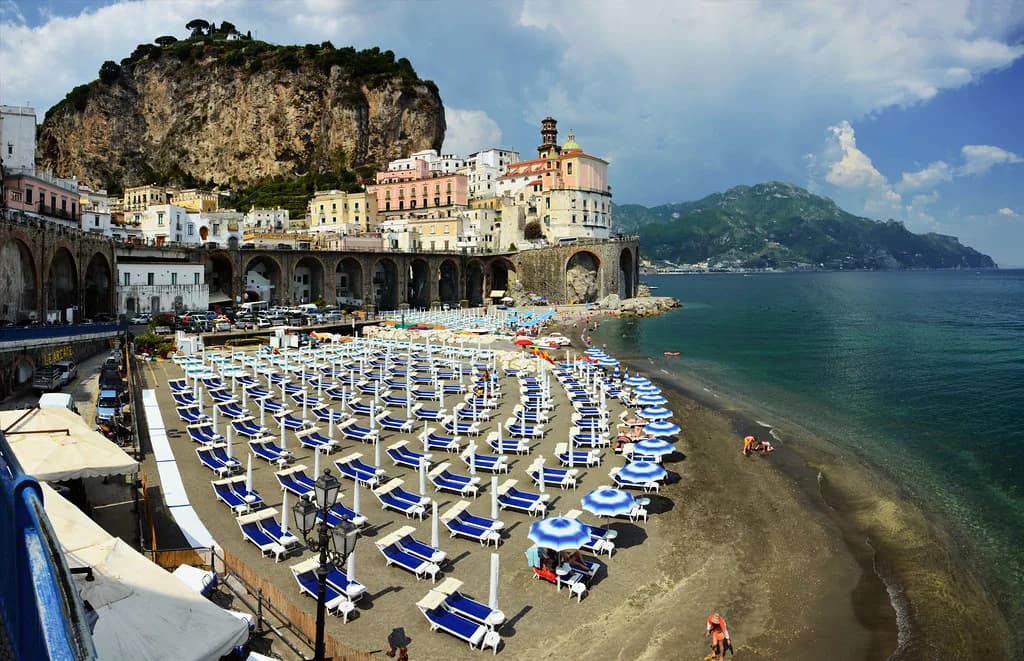
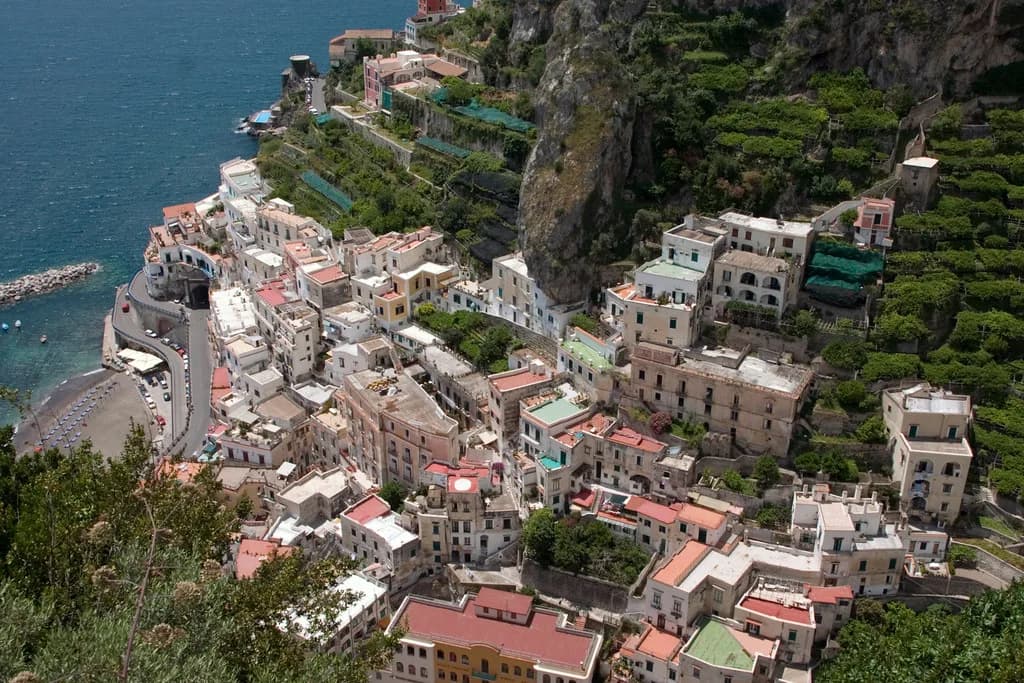
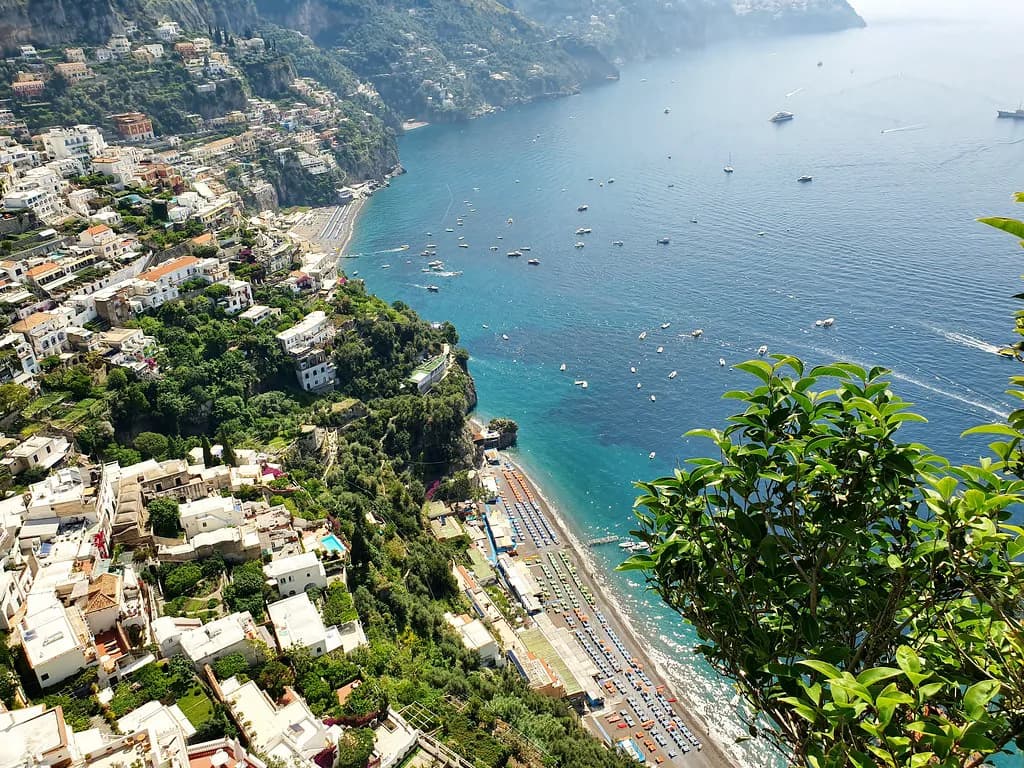
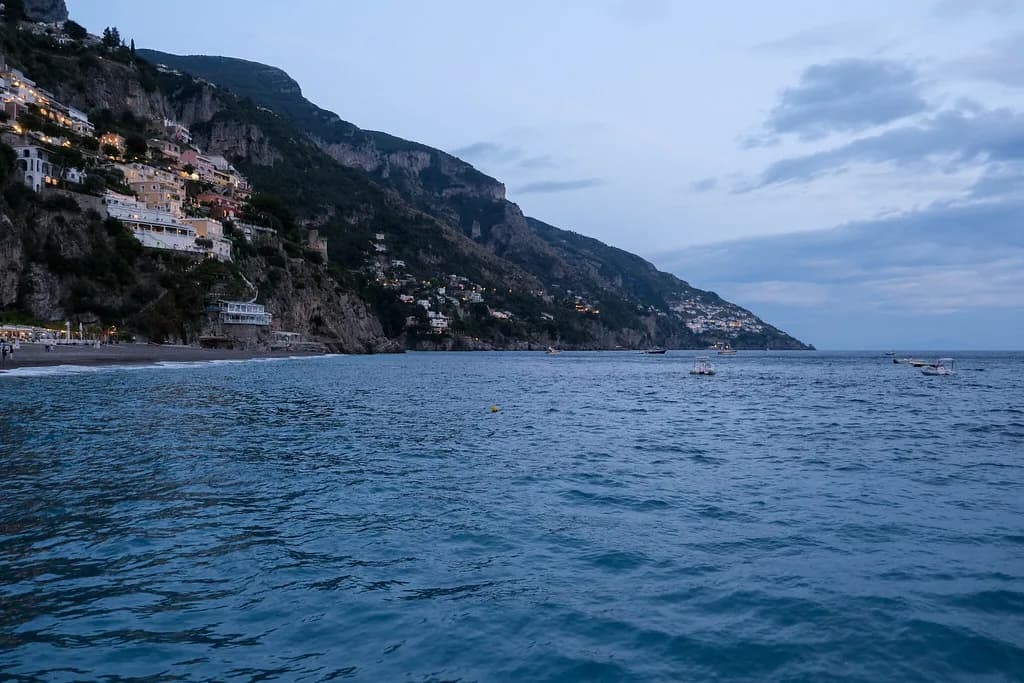
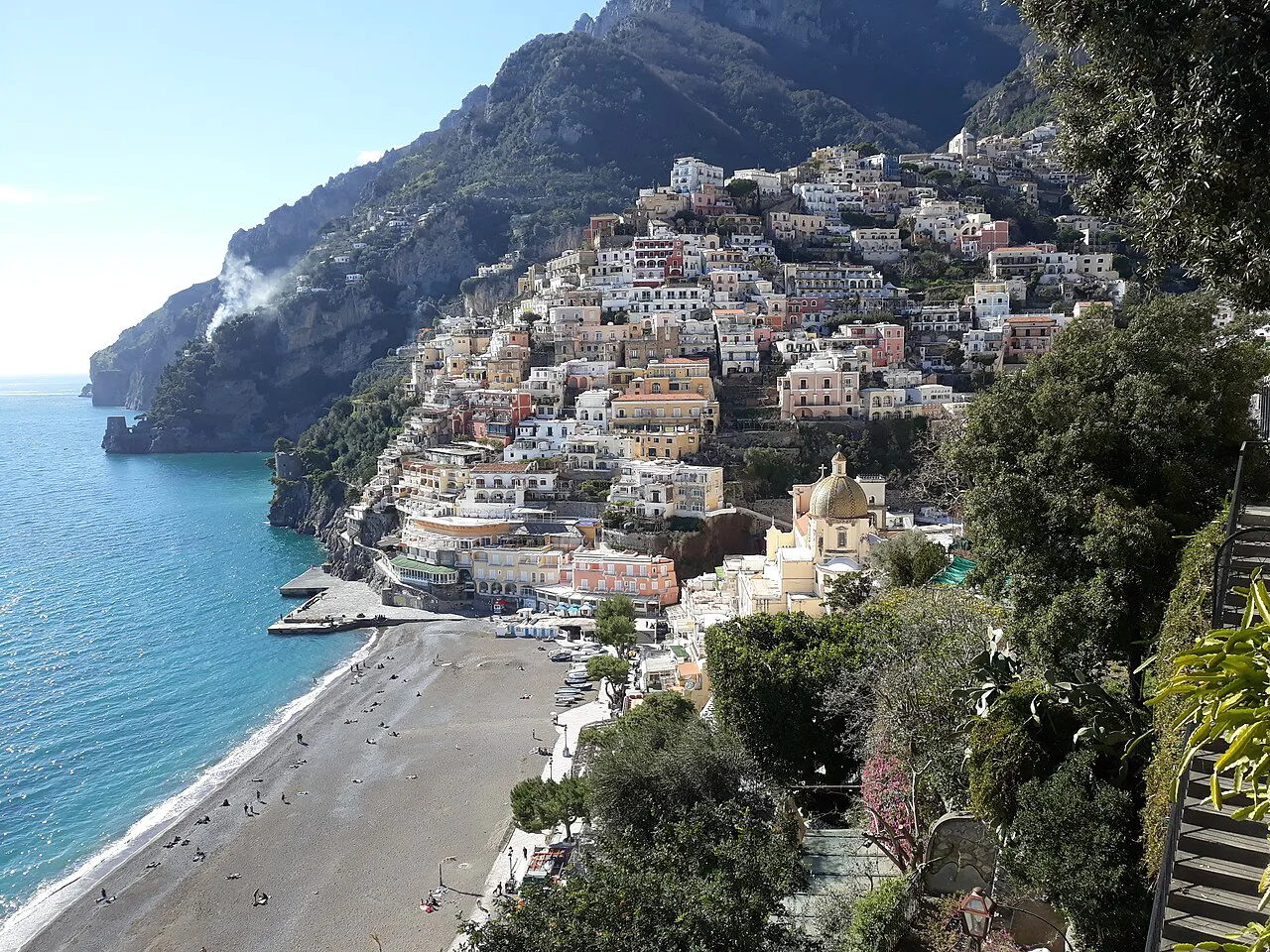
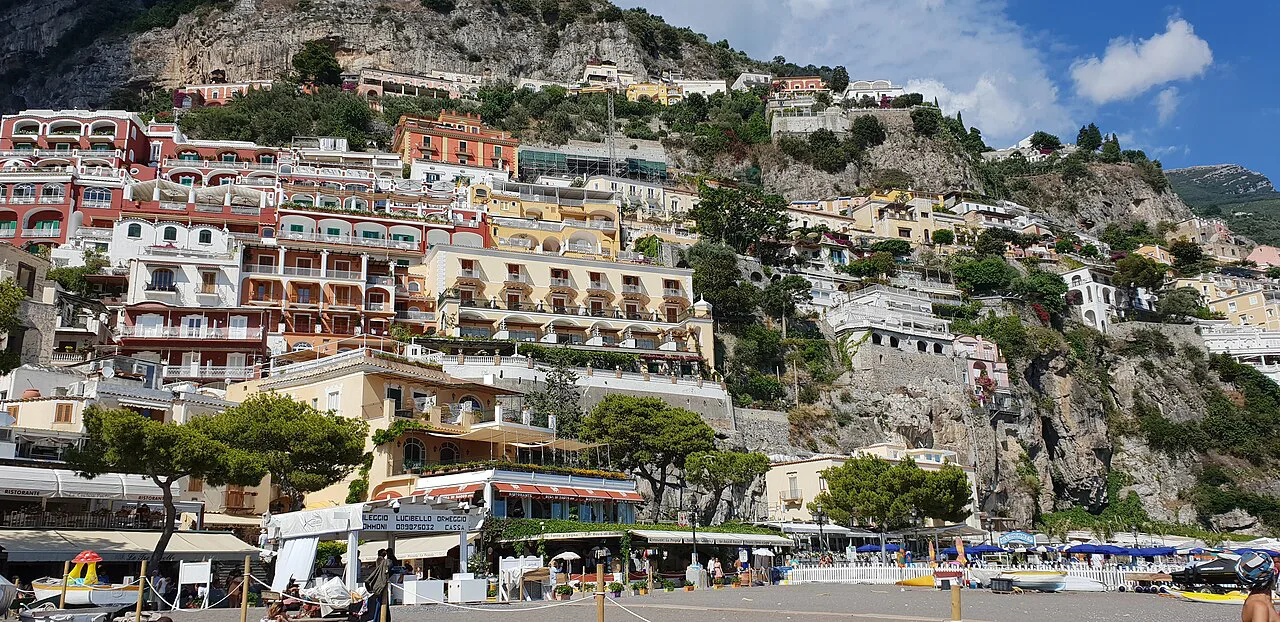
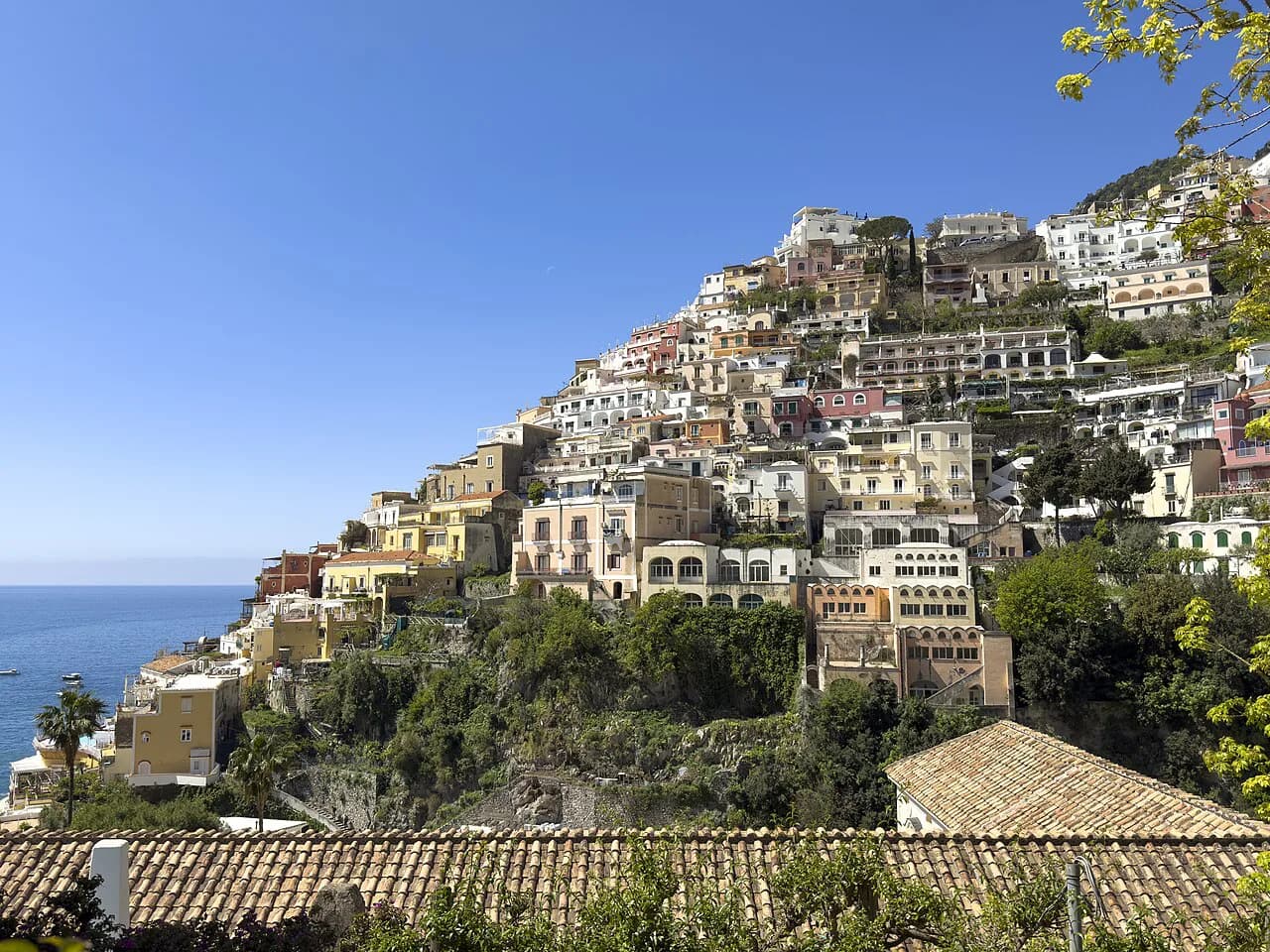
Each town on the coast has its own June character. Positano is at its most photogenic but also its most crowded by midday, Amalfi's cathedral square is thick with tour groups, and Ravello's gardens at Villa Cimbrone and Villa Rufolo are at their best in late spring, ideally on a weekday. Atrani, just around the headland, stays calmer and is a good base for an unhurried lunch.
Capri is the standout day trip, with historic villas, gardens and cliff paths that reward an early ferry and a late return. Praiano's Marina di Praia is a quiet alternative to the main beaches, and Vietri sul Mare at the eastern end of the coast offers a different, less polished side of the Amalfi experience.
Boats and what is open
June marks the shift from pre-season to full season on the water: boat tours run more frequently, more operators are out and hiring a gozzo for the day becomes straightforward. A local guide notes that beach season kicks off in May and that boat tours to Capri and along the coast run through the season, so by June the choice is wide rather than limited.
On land, restaurants, bars and beach clubs that ran reduced hours in spring are generally open and busy through June, with outdoor terraces in full use. Opening dates and ferry timetables are set by each company running the season, so check current schedules on the local ferry operators' own sites before you travel.
Crowds and prices
Crowds are a gradient rather than a switch in June. Early in the month, the coast still feels like late spring; by late June, the summer pattern is set, with day-trippers arriving in Positano and Capri by mid-morning and leaving in the late afternoon. Wait a few hours and the towns become calm again, which is when the cafés and waterfront restaurants are at their best.
Prices follow the same curve. Spring offers better value than summer, and even as late as May you may still find a good deal on a hotel, but June rates climb towards the July and August peak. Expect to pay noticeably more towards the end of June, particularly in the most popular towns.
The Festival of Sant'Andrea in Amalfi
Amalfi celebrates its patron saint, Saint Andrew, on 27 June, with processions and blessings during the day and a livelier evening in town. The cathedral houses the saint's relics, and the date is a fixed point in the June calendar, so expect the town to be busier than usual around it.
If you are in Amalfi on the day, plan around it: the town fills up, and transport and restaurant tables are harder to come by. The festival is a good reason to book accommodation and any restaurant you care about well in advance.
June or May?
May is cooler and quieter, with average highs of 24.36°C (76°F) and lows of 15.79°C (60°F) at the same station, and more rain days than June. June adds warmth, dries out and brings the coast fully into season, but it also adds people and cost. If you want the most comfortable walking and the best value, May wins; if you want reliable warmth and livelier evenings, June is the better call.
For many travellers the deciding factor is the sea. It is still cool in May and only modestly warmer in June, so if swimming matters, neither month is a strong bet; if outdoor dining and long walks matter, June is the more reliable of the two.
June or September?
September and October bring warmer water and fewer people, which makes them the strong alternative to June for anyone whose trip is built around the sea. June still wins on daylight, on the freshness of the landscape and on the long, bright evenings, but September's trade-off is genuinely attractive.
Judge it by what you plan to do. A walking and sightseeing trip is better in June, before the heat and the crowds peak; a beach-led holiday is better in September, when the water has had a whole summer to warm.
Practical drawbacks
The honest drawbacks of June are strong midday sun on exposed trails and growing crowds towards the end of the month, plus a sea that is still catching up with the air temperature. Wind over the water can make boat trips feel chillier than the air temperature suggests, so a layer for the boat is worth the space.
Transport is the other thing to plan around: roads along the coast are slow and busy, and the towns are easier on foot than by car. If you need entry or visa information for Italy, use the official UK government travel advice pages rather than second-hand summaries.
The verdict
June is one of the best months to see the Amalfi Coast, with warm, mostly dry days and long evenings that make walking, sightseeing and boat trips genuinely enjoyable. Book the first half of the month if you want the weather without the full summer crush, and accept that late June adds heat, people and cost.
If you can be flexible, compare other destinations before committing: our guide to where is warm in Europe in June sets the coast against the rest of Southern Europe, and our month-by-month best time to visit Amalfi Coast comparison shows how June sits against the rest of the year. If you are weighing an earlier trip instead, see where is warm in Europe in April to judge how the coast's spring warmth compares with the rest of the Mediterranean.
Plan Your Visit
Book June for warmth and reliable outdoor weather, ideally in the first fortnight, and build your days around mornings rather than afternoons. If the sea is central to your plans, wait for September; if you want the quietest version of the coast, come in April or May instead.
More Amalfi Coast spring guides
Frequently Asked Questions
How warm is the Amalfi Coast in June?
Average daytime highs reach around 28.7°C (about 84°F) and nights settle near 19.9°C (about 68°F), based on long-term climate normals for the Capri station covering 1991 to 2020. Early June is cooler than late June, and exposed trails and terraces feel hotter than these figures suggest.
Is the sea warm enough to swim on the Amalfi Coast in June?
The sea is still catching up with the air temperature in June. A local guide puts the May sea at around 18°C, and it warms only gradually through June, so expect a bracing swim rather than warm water. Boat trips and short dips are the realistic pattern.
How hot does the Amalfi Coast get in late June?
Average highs are close to 29°C (84°F), and the midday sun on exposed paths and terraces is strong. Start walks early, carry more water than you think you need, and save the afternoons for towns, gardens and long lunches.
Is June a good time to visit the Amalfi Coast?
Yes. June is warm, largely dry and well suited to walking, sightseeing and boat trips, with long days and lively evenings. The trade-offs are growing crowds, rising prices and a sea that still feels cool.
Is the Amalfi Coast busy in June?
Crowds build through the month. Early June still feels like late spring, while by late June day-trippers fill Positano and Capri by mid-morning and leave in the late afternoon. The towns become calm again in the evening.
Is June or May better for the Amalfi Coast?
May is cooler, quieter and usually better value, with average highs around 24.4°C (76°F). June is warmer and drier but busier and more expensive. Choose May for walking and value, June for dependable warmth and livelier evenings.
Does it rain on the Amalfi Coast in June?
Rain is rare. The long-term normals for the Capri station show about 2.4 rain days and 16.8 mm of precipitation across June, so most days are dry, and any shower tends to be short.
How long should I spend on the Amalfi Coast?
Around five days is enough to cover the main towns, a walk and a boat trip without rushing. Add a day or two if you want Capri, Ravello's villas and a slower pace, and remember that coastal roads are slow, so fewer bases work better.
Sources
Spring sun notes
Optional updates when we add destinations and months.
You might also like
Continue reading
More guides you'll find useful