Sardinia in June: What to Expect and How Warm It Is
Sardinia in June brings average highs near 29°C, mild nights and little rain. What is open, how busy it gets and whether June suits your trip.
On this page
Sardinia in June is warm rather than hot, and that is precisely why it works. Long-term normals for Cagliari Elmas put the typical daytime high at about 28.7°C (83.7°F) and the night-time low at 17.3°C (63.1°F), with just 2.2 rain days and 12.5 mm across the month. For sightseeing, coastal walks, boat days and long evenings outdoors, that is close to ideal; for guaranteed hot-sea swimming and full summer resort energy, late July and August do it better.
Sardinia is the second-largest island in the Mediterranean, so a single station tells you the coastal pattern rather than the whole picture. The south around Cagliari bakes first; the interior around Barbagia and Nuoro runs cooler, especially after dark; the north-east around Gallura catches the Mistral more openly. Use the June figures as the shape of the month and expect the interior to feel a couple of degrees fresher.
Weather in June
The WMO Climate Normals 1991-2020 for Cagliari Elmas, drawn from Italian Air Force data and archived by NOAA, give June an average daily maximum of 28.69°C (83.6°F) and an average daily minimum of 17.29°C (63.1°F). Rainfall is modest: 12.52 mm over 2.18 days with at least 1 mm. Treat these as typical conditions, not a forecast for your week.
Sunshine is the quiet headline of a Sardinian June: days are long, the light is strong by mid-morning and the evenings stay usable until late. The normals sheet does not publish a sunshine total for the station, so judge it by how the month behaves rather than by a quoted number. What matters for planning is that rain is rare enough to leave whole days free for the coast and the interior.
The catch is wind. The Mistral funnels down the island and can make a bright 27°C afternoon feel cool on an exposed beach, particularly in the north-west around Alghero and Capo Caccia. A sheltered cove or a town afternoon solves it; a fixed sun-lounger booking on an open strand may not.
Is it warm enough?
Yes, for almost everything except committed sunbathing early in the month. Daytime highs near 29°C (84°F) make outdoor lunches, archaeological sites, old towns and coastal paths comfortable, while nights around 17°C (63°F) mean dinner outside without a jacket in most coastal spots. Families with small children get a workable balance: warm enough for the beach, rarely so hot that midday becomes unusable.
If your trip is built around water rather than land, be honest about the timing. The sea warms through June rather than arriving warm, so the second half of the month is the better bet for comfortable swimming, and late June is better still. If you want bath-warm water and a resort in full stride, September is the stronger choice.
Walkers and sightseers should go now rather than in July. Heat builds sharply in the second half of June and by July the middle of the day pushes you indoors; a June morning on a trail or in a hill town is a different experience. Anyone who wilts above 30°C should aim for early June or shift the trip to spring.
Early vs late June
Early June still feels like a generous spring. The first week can bring highs closer to the May pattern, nights are cooler, and the sea has not caught up; the upside is empty stretches of coast and easy tables at dinner. Late June is a summer month in all but name, with stronger afternoon heat, busier beaches and the first real pressure on parking near popular strands.
What shifts through the month is not just temperature but opening patterns. Beach clubs, boat operators and seasonal restaurants along the coast come to life as the season starts, with the pace picking up noticeably towards the end of the month. If a specific boat trip or beach club matters to your trip, contact that company directly before booking flights around it.
June also sits on the edge of the festival calendar. Sant'Efisio in Cagliari and the Cavalcata Sarda in Sassari fall in May, while the food-focused Girotonno on Carloforte comes in June. For a June trip, the reliable draw is the coast and the interior rather than a fixed event, which makes it easier to plan around weather.
June compared with May and July
May at Cagliari Elmas averages 24.1°C (75.4°F) by day and 13.3°C (55.9°F) at night with 4.19 rain days, so June adds roughly four and a half degrees by day, four at night and halves the rain risk. That jump is what turns a pleasant sightseeing month into a beach month. July adds another four and a half degrees by day and cuts rain to almost nothing, at the cost of crowds and afternoon heat.
Against September, June trades warmer water for cooler air and lighter crowds. September keeps the sea at its warmest and the towns busy with late-season visitors; June gives you longer days, greener hills and a better chance of quiet on the trail. If you want the sea at its best, wait; if you want the island at its most usable, come in June. Which month wins depends on whether you are travelling for water or for land.
What is open
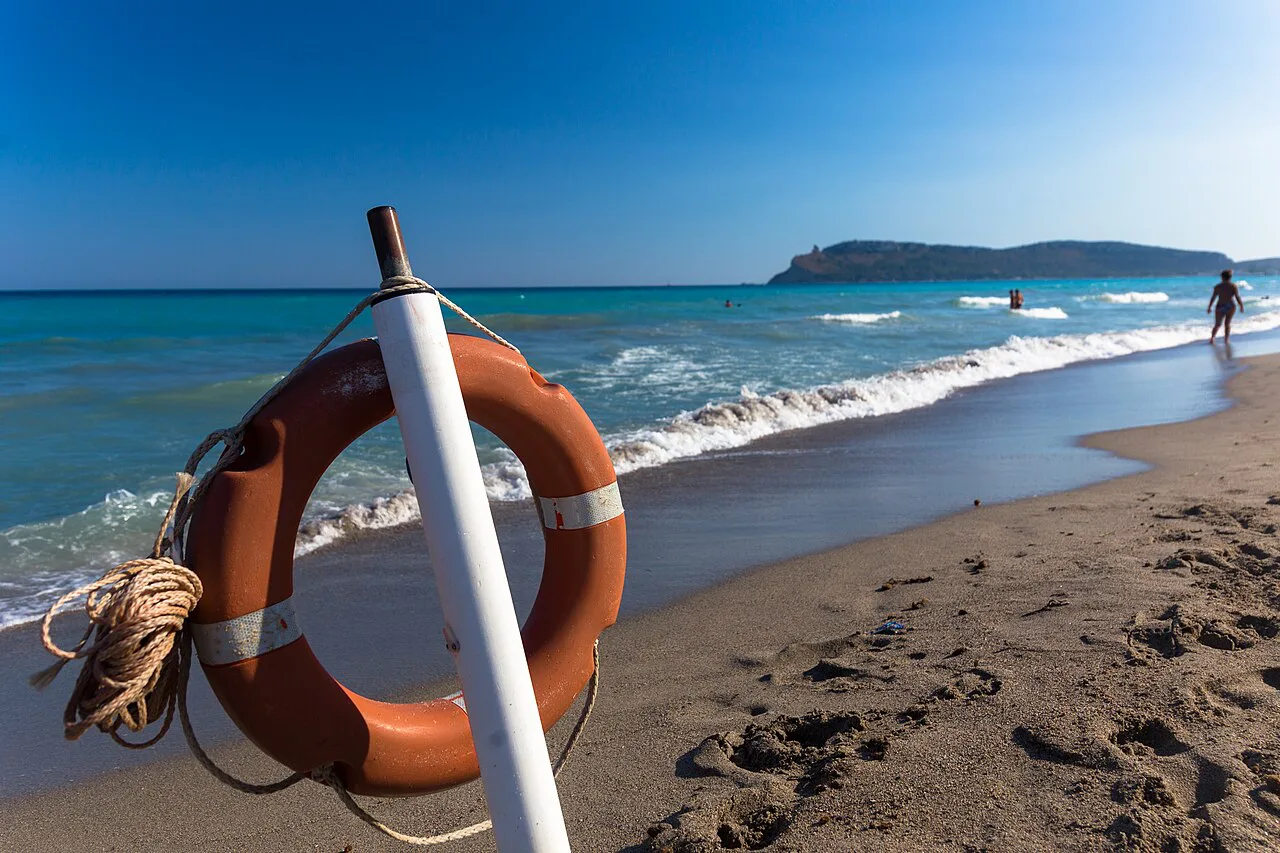
By June the island is running. Ferries across to La Maddalena from Palau operate through the day, boat trips along the north-east coast and out to the archipelago are in season, and the trenino verde heritage rail routes through the interior are a genuinely different way to see the island. Check sailing times and departure points with the ferry and boat companies, since they vary by route and season.
Restaurants and beach clubs that close over winter reopen as the season builds, and the big towns never really stop: Cagliari, Alghero, Oristano, Nuoro and Olbia keep their restaurants and museums running year-round. In the smaller coastal villages, expect some places to open for the season around this time and others to follow into July. A lunch booking in a village trattoria is rarely necessary in early June and worth making by the end.
For transport and travel logistics, the practical starting point is the official Italian government guidance rather than a blog. Beyond that, the useful habit in June is to plan the day around the coast in the morning and the interior or a town in the afternoon, when the heat peaks and the light softens.
Things to do
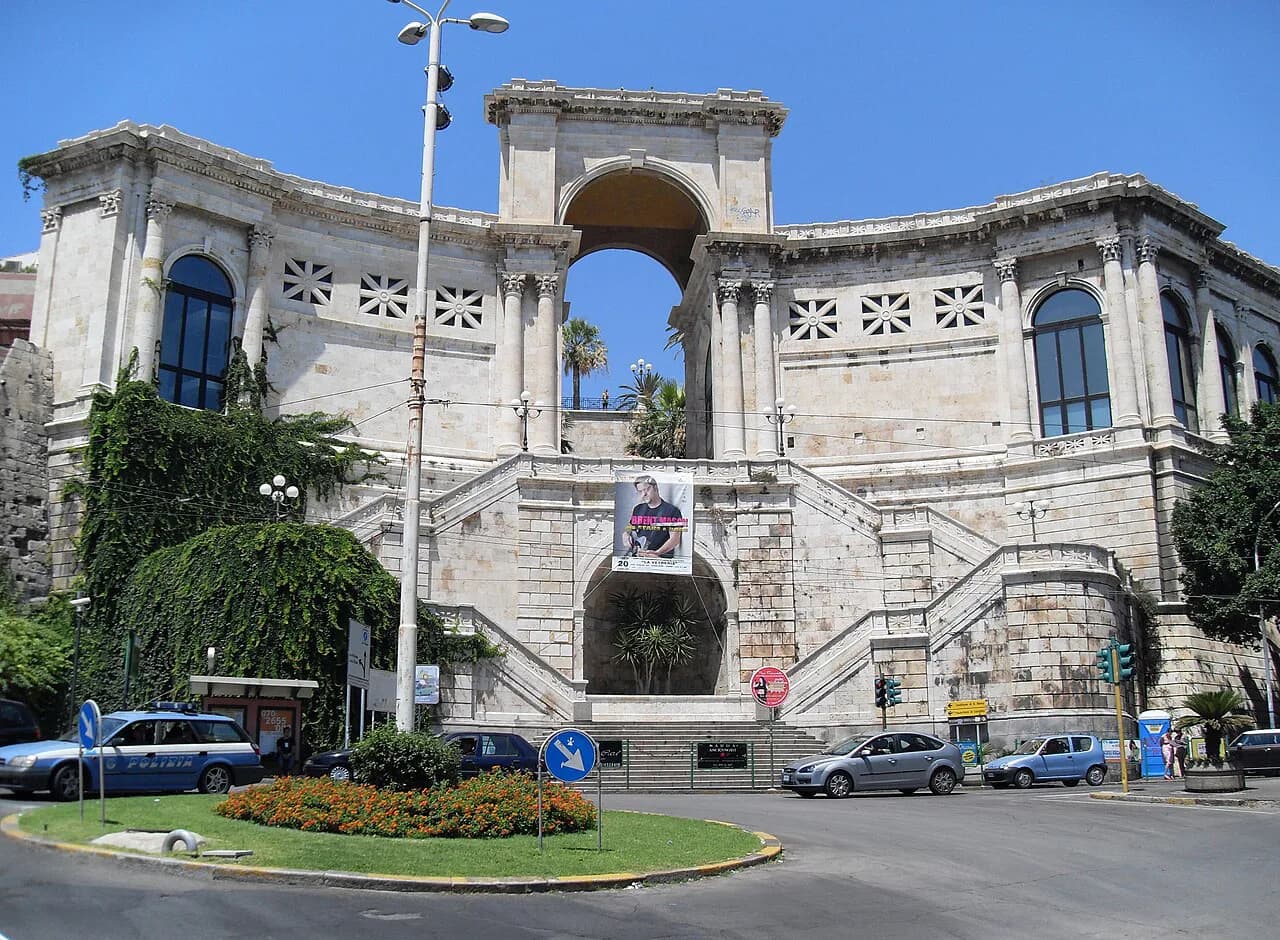
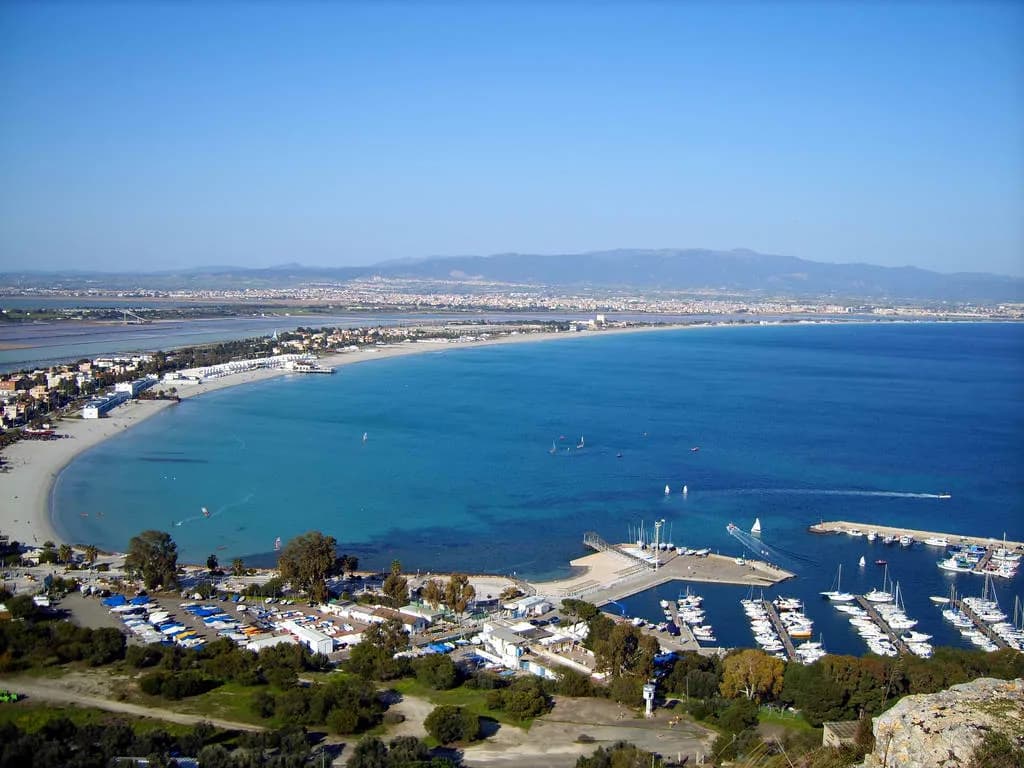
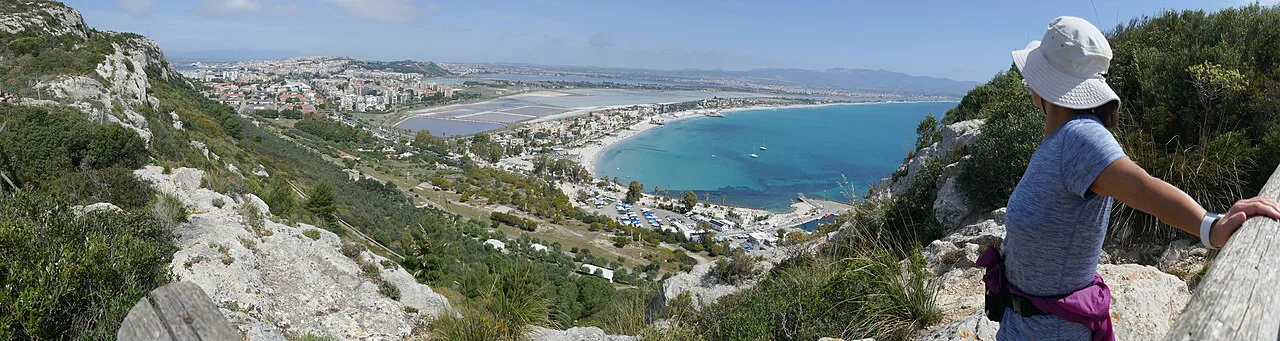
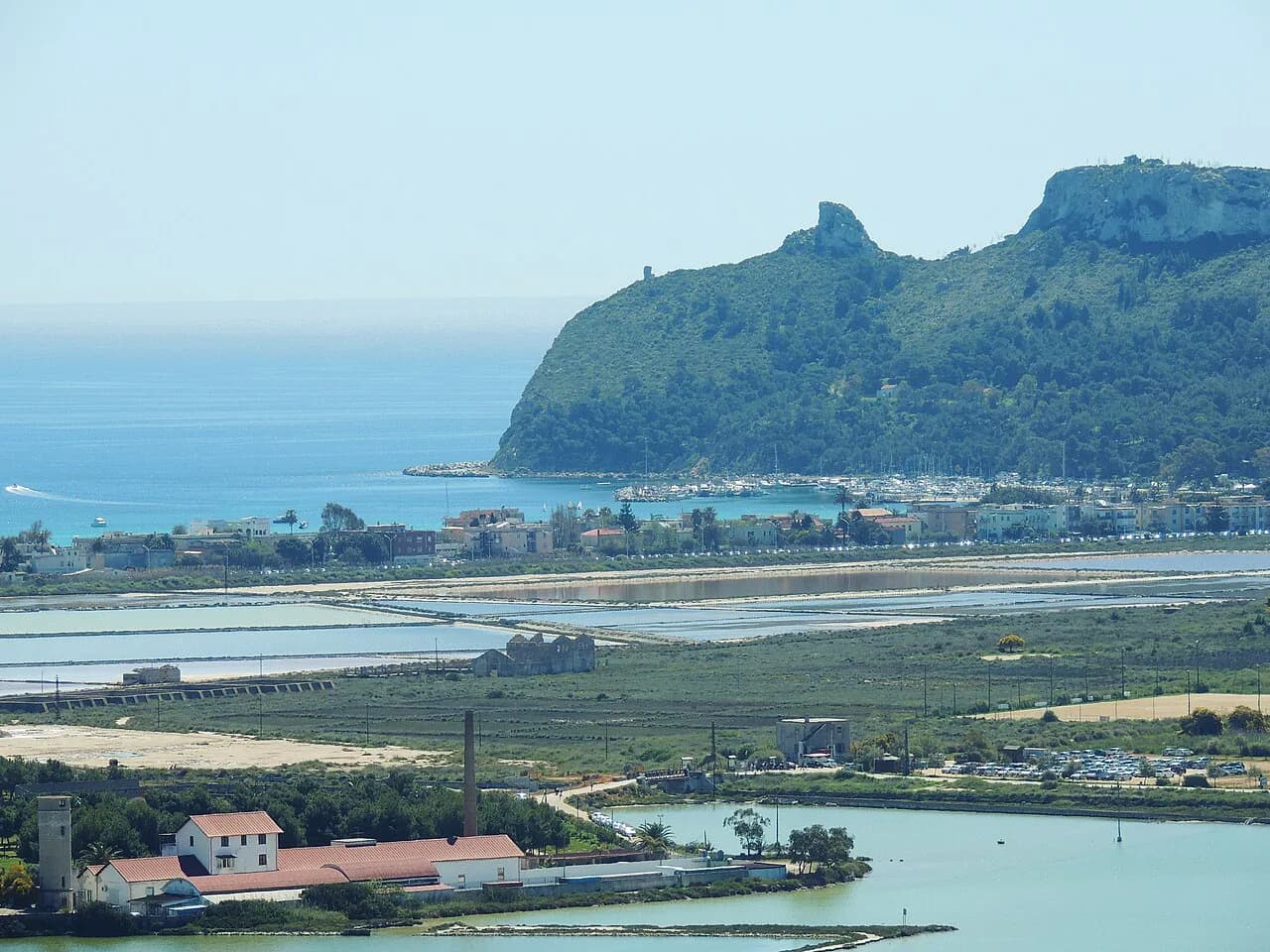
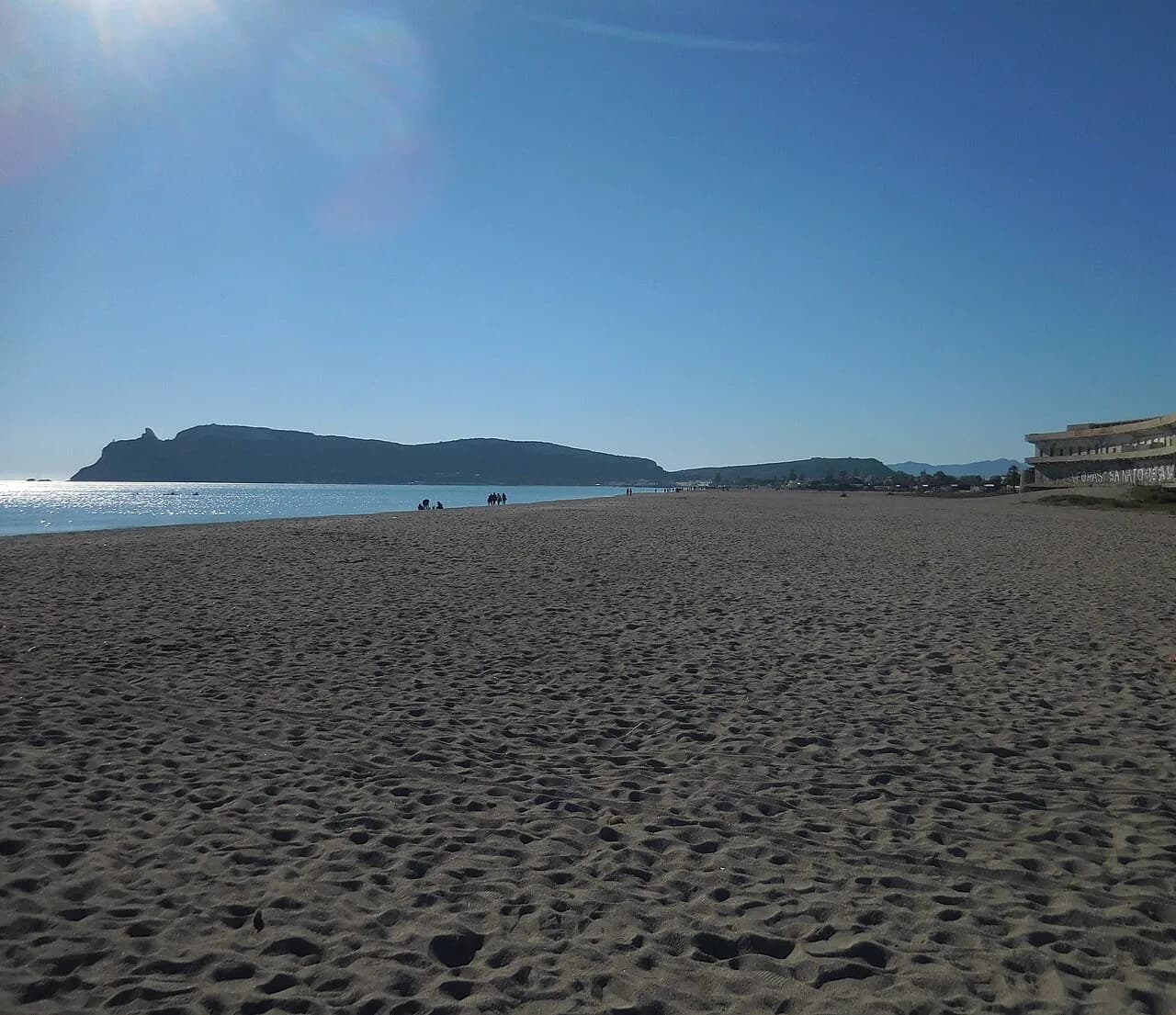
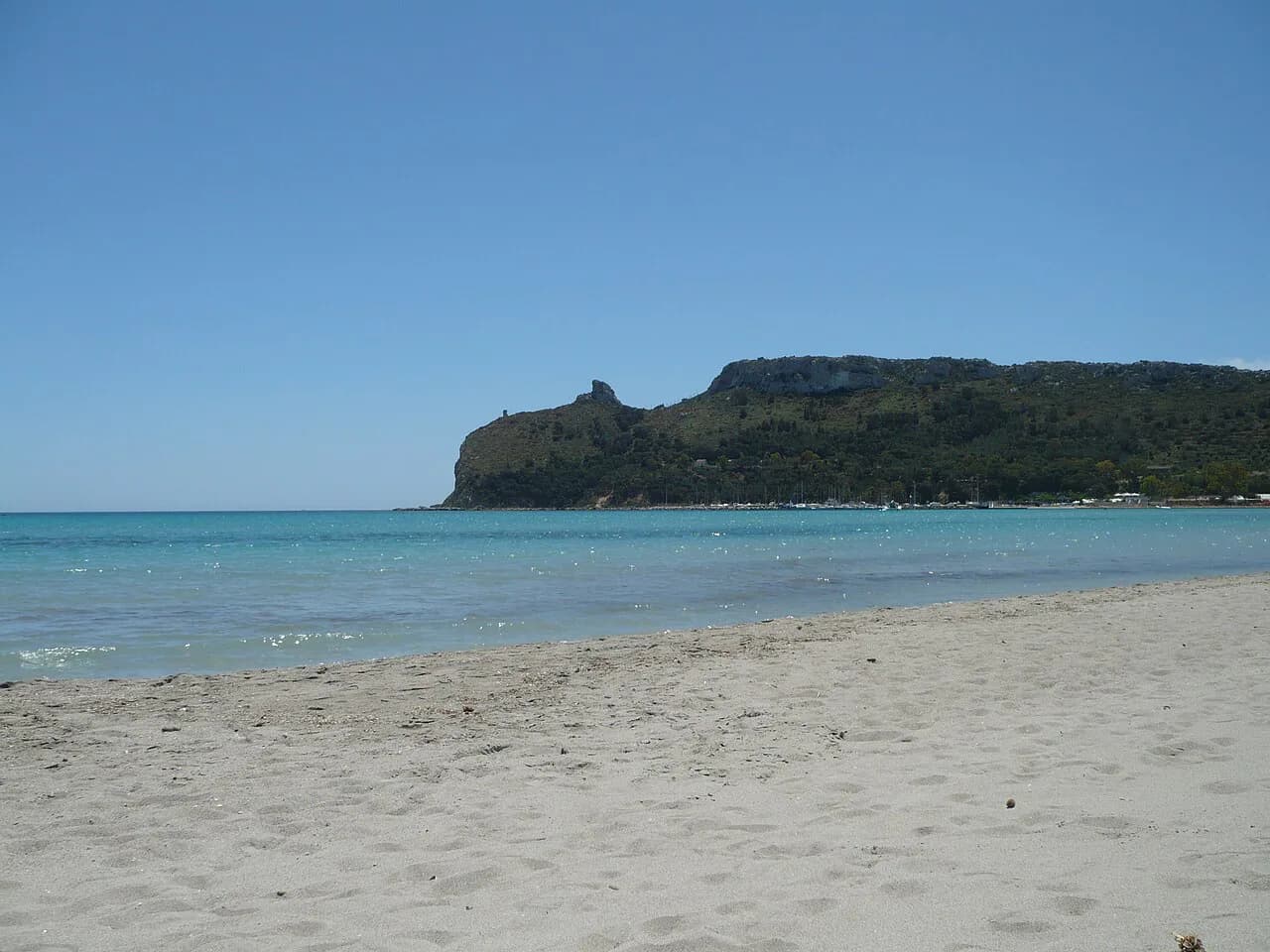
Cagliari and the south reward an early start: the Castello district, the winding lanes of the old town and the long sweep of Poetto beach are all within a short distance, and the San Benedetto market is a serious food stop. June mornings make the walking easy; by mid-afternoon the shade of the old town is welcome.
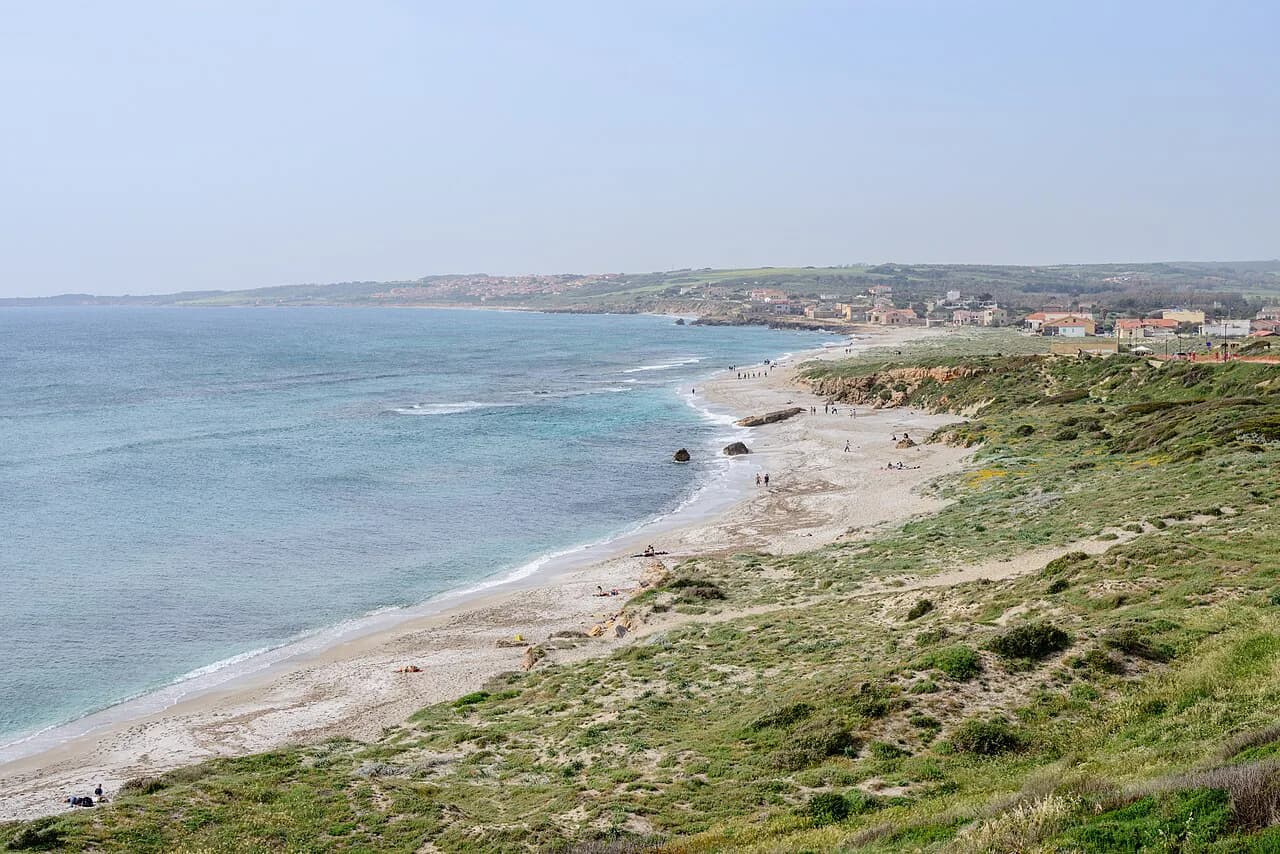
In the north-west, Alghero's Catalan old town, its ramparts and the cliffs at Capo Caccia make a strong June day, with Porto Conte park and the long beach towards Fertilia for the afternoon. The Mistral is felt most keenly here, so keep a sheltered plan in reserve.
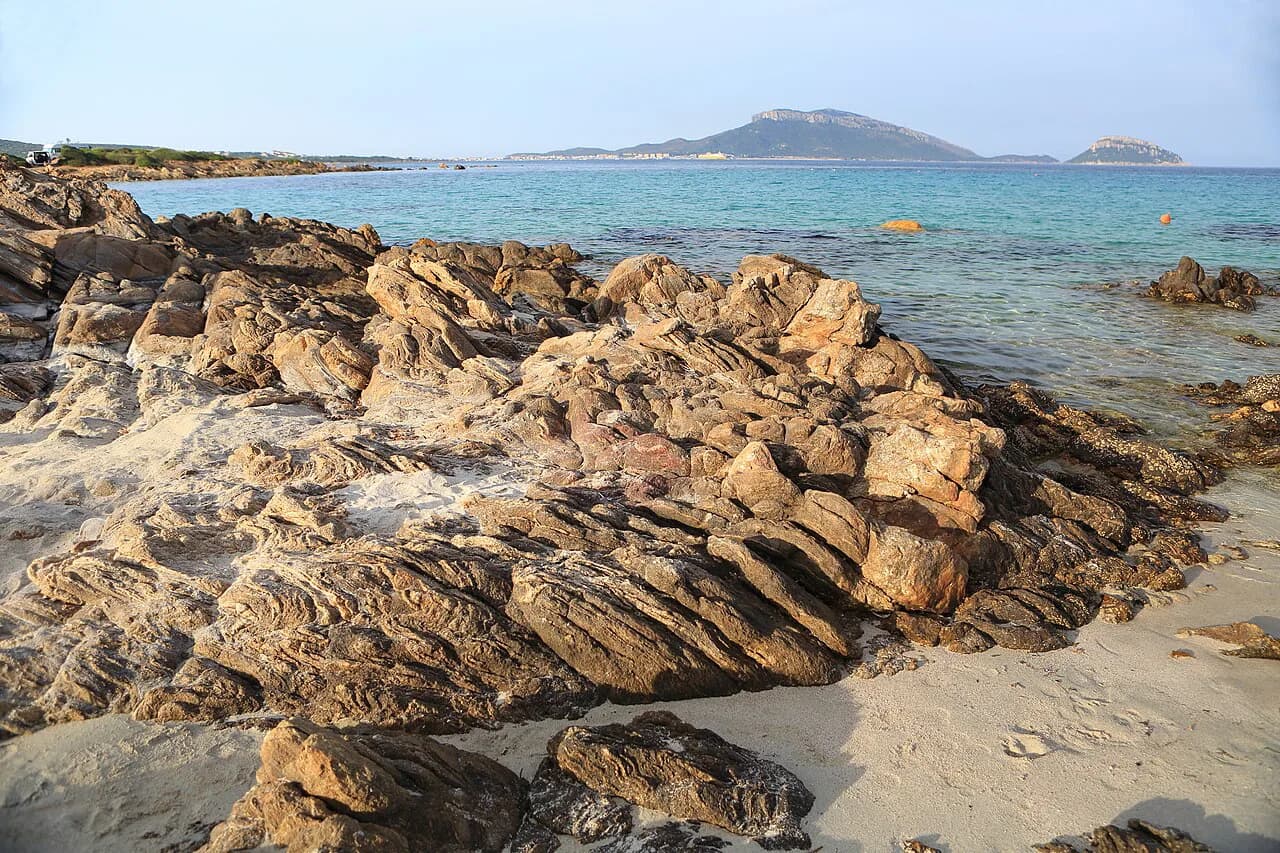
Gallura and the north-east suit boat days: Santa Teresa and the ports along to Baia Sardinia run trips into the archipelago, and the granite coves around the Costa Smeralda are at their best before the August crowds. The interior around Barbagia and Nuoro is the counterweight, cooler and quieter, with hill towns, vineyards and the Cannonau and Vermentino wines worth seeking out.
Walks and viewpoints
June is excellent walking weather if you start early. Coastal paths, the trails above Capo Caccia and the hill country around Barbagia all give you long views without the July heat, and the spring green is still in the landscape. Carry water, wear proper shoes and plan to be off exposed ridges by early afternoon.
The trade-off is wind and exposure. Exposed headlands can be gusty even on bright days, and the Mistral can turn a warm afternoon cool on a viewpoint. Build in a flexible day and keep a town or a sheltered cove as the fallback rather than committing to a single long ridge walk.
Crowds and prices
June is busy but not yet peak. Italian school holidays come later, so the first half of the month is noticeably quieter than July and August, and the second half begins to fill as the season builds. Book flights and accommodation ahead for late June, when demand starts to tighten, and expect the most pressure on the coast rather than the interior.
Prices sit between spring and high summer: higher than May, well below August, with the sharpest premiums on coastal accommodation and boat trips. The advice from people who know the island is consistent: book early and be flexible on dates. Neither a price nor a booking deadline is fixed for June, so compare operators directly rather than relying on a quoted figure.
The practical consequence is that a June trip planned late costs more and gives you fewer choices on the coast. If your dates are fixed to the last week of the month, lock in the key bookings first and work the rest of the itinerary around them.
Honest drawbacks
The sea is the main one. It warms gradually through June, so early in the month a swim is bracing rather than blissful, and even at the end it is not yet at its September best. If swimming is the point of the trip, come later or go south.
Wind and the odd rain spell are the other caveats. Rain is uncommon in June but not impossible, and the Mistral can take the edge off a beach day in the north-west. Heat builds late in the month, so the same afternoon that feels pleasant in the first week can feel heavy by the last.
June or May? June or September?
Choose June over May if you want the coast and the beach in play, warmer evenings and a better chance of dry days, and you can accept a busier island. Choose May if you want the same landscapes with fewer people, lower prices and cooler walking, and you are not fussed about swimming. For a first trip built around sightseeing and food, May is the quieter, cheaper call; for a mixed coast-and-culture trip, June wins.
Choose June over September if long days, greener country and lighter crowds matter more than warm water. Choose September if the sea is the reason you are going and you want it at its warmest, with the towns still lively. Both months beat July and August on comfort; the decision is really about water versus land.
The verdict
June is one of the best months for a Sardinian trip that mixes coast, towns and walking. The normals support it: highs around 29°C, nights around 17°C and barely two rain days at Cagliari Elmas, with the island fully open and the crowds still short of high summer. Book late June early and keep a flexible day for the wind.
If you are still weighing destinations, see our guide to where is warm in Europe in June and compare the Greek islands, the Adriatic and the Canaries on the same terms. For an earlier trip, Sardinia in May and Sardinia in April cover the spring versions of the same island, and our guide to warm places in Europe in April helps you line up the shoulder season before the heat arrives.
More Sardinia spring guides
Frequently Asked Questions
How warm is Sardinia in June?
At Cagliari Elmas the 1991-2020 normals give an average daily maximum of about 28.7°C (83.6°F) and an average daily minimum of about 17.3°C (63.1°F). These are typical conditions rather than a forecast, and the interior runs cooler than the coast, especially at night.
Does Sardinia have a rainy season?
Rain is concentrated in the cooler months rather than June. The June normals for Cagliari Elmas show about 12.5 mm over roughly two rain days, so rain is uncommon but not impossible; the winter months carry far more.
Is June a good time to visit Sardinia?
Yes, for most trips. It suits sightseeing, walking, boat days and outdoor dining, with the island open and the crowds below July and August levels. If swimming in warm water is the priority, late June is better than early June, and September is better still.
Can you swim in Sardinia in June?
Swimming is possible, but the sea warms through the month rather than arriving warm. Early June is bracing; late June is more comfortable. If warm water matters most, plan for later in the month or look at September.
Is Sardinia busy in June?
Busy but not at peak. Italian school holidays come later, so the first half of June is quieter than July and August, and the second half begins to fill. Coastal spots see the most pressure; the interior stays calmer.
Is Sardinia cheap or expensive in June?
Prices sit between spring and high summer: above May, below August. Coastal accommodation and boat trips carry the biggest premium, so book early and compare operators directly if your dates are fixed to late June.
June or September in Sardinia?
Pick June for long days, greener country, lighter crowds and comfortable walking. Pick September for the warmest sea and lively towns. Both are more comfortable than July and August, so the choice comes down to whether you are travelling for water or for land.
What should I book ahead for a June trip?
Late June is the tighter period, so secure flights, coastal accommodation and any specific boat trip first, then build the itinerary around them. Note sailing times and departure points before committing to a day.
Sources
Spring sun notes
Optional updates when we add destinations and months.
You might also like
Continue reading
More guides you'll find useful