Things to Do in Sicily in May: Where to Go and What's Open
Plan a May trip to Sicily: typical warmth, which coast suits you, open sights from Etna to Palermo, ferry links and where the crowds build before June.
On this page
May gives you the answer most Sicily questions are really asking: warm enough to eat outside and walk all day, not yet hot enough to force you indoors at noon. Across the island, settled spring weather dominates, the big archaeological sites and hill towns are open, and the coastal strip is still noticeably quieter than in high summer. If your plan is temples, Baroque towns, coastal paths and one guided ascent of Etna rather than long days on the sand, May is a strong month to book.
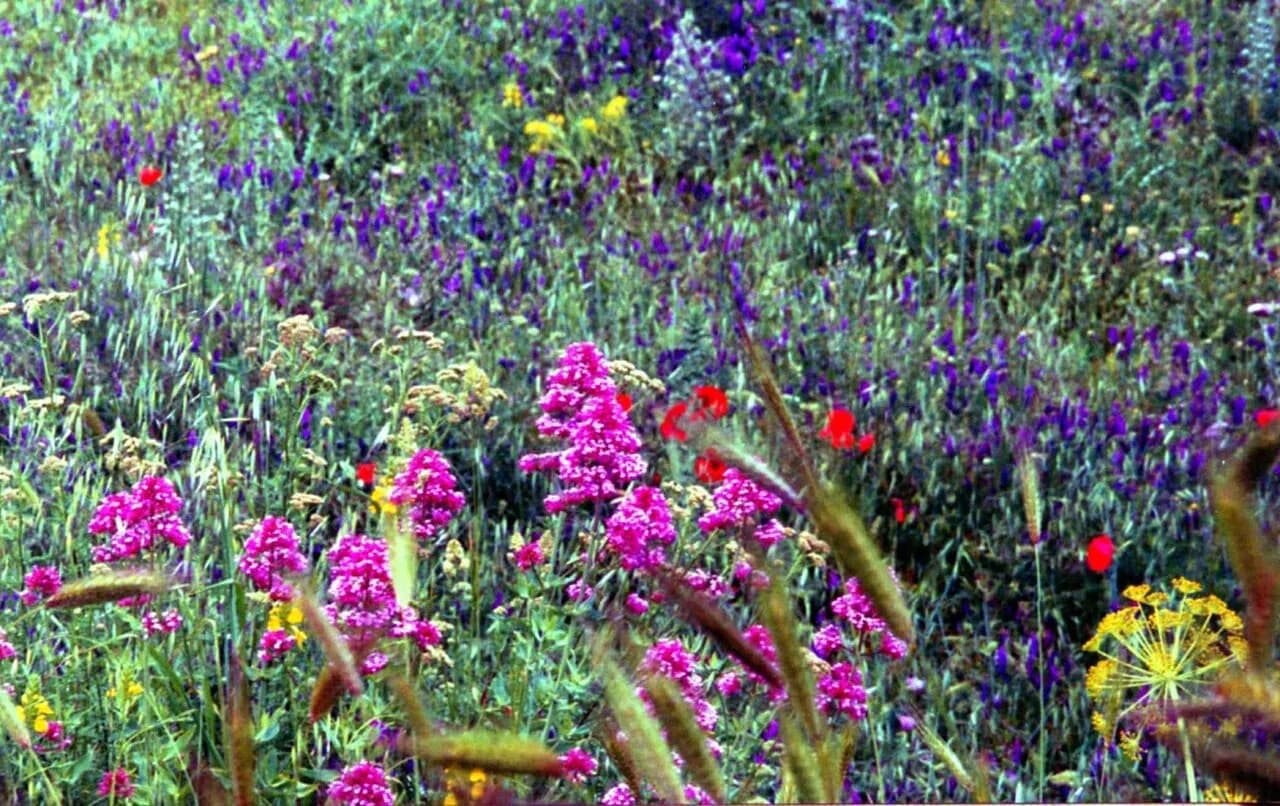
The trade-offs are honest ones. Evenings stay cool in hill towns and at altitude, rain can still arrive in spells, and the sea is not yet the reason to come. Ferries to the islands and some seasonal businesses are in a ramp-up phase rather than full summer rhythm. If your priority is guaranteed heat and warm water, look at Sicily in June instead; if you want cooler walking and greener countryside, see Sicily in April for the earlier version of this trip.
Is May a good month for Sicily?
Yes, for sightseeing, walking and eating outdoors. Treat May as the month when Sicily is fully functional but not yet crowded: you can move between Palermo, Agrigento, Ragusa, Syracuse and Taormina without competing for much space, and you can walk a coastal path in the morning and sit outside in the evening.
It suits couples and friends on a road trip, families with school-age children who can handle a mix of ruins, markets and short hikes, and anyone who wants warm weather without a beach holiday. It suits less well if you need reliably hot evenings, want to swim daily, or expect every seasonal beach club and boat service to be running at full summer pace. For an island-wide comparison of warmth by month, see the best time to visit Sicily.
Weather in May
Expect typical May conditions of mild-to-warm daytime highs and noticeably cooler nights, with the coast warmer than the interior hills and the highest ground on Etna much colder. Approach the figures published by the Italian air force weather service, Aeronautica Militare, as climate normals rather than forecasts, and check them before you lock in a date.
The island is not uniform. Palermo and the west coast tend to feel warmer and breezier than the higher interior; Catania and the east coast sit under Etna's shadow; the south coast around Agrigento and Ragusa can be the warmest stretch for sitting outside. Build your route around that: put exposed hill towns and any altitude walking early in the trip, and save the coast for the days when you want to be outdoors for longer.
Early vs late May
Early May is the safer bet for walking, with cooler days on the coastal paths and more space in the towns. Late May tips towards summer: stronger midday sun, busier weekends and a better chance of warm evenings on the coast. If your plan leans on hill towns and long hikes, front-load them; if it leans on eating outside and boat days, late May suits better.
The gap between April and May is larger than the gap between May and June in terms of how the island feels. The warmest places in Europe in April still carry a spring chill in the evenings, whereas by late May you can plan dinners outside without a jacket on the south and east coasts.
West Sicily: Palermo's markets, Monreale, Erice and Trapani
Start in Palermo, where the open-air markets are the reason to be up early: the Arab-influenced lanes around Ballarò, Capo and Vucciria are at their best in the morning, so build a market morning before you do the Norman Palace or Monreale. Allow half a day for Monreale's cathedral and its mosaics, around half an hour by road from the city, and pair it with a rooftop or garden stop back in Palermo.
Move west to Erice, a hill town above Trapani where you should expect cooler air and cloud even when the coast is clear; May is a good month for its cobbled lanes and ceramics shops without the summer parking pressure. From Trapani you can also take the short ferry to Favignana in the Egadi Islands, and a small group or private boat trip is a sensible way to see the island's coves if you do not want to plan the crossing yourself.
Valley of the Temples and the south coast
Agrigento's Valley of the Temples is the single best May sight on the island: a large archaeological complex of Greek temples above the sea, best visited when the sun is lower in the morning or late afternoon. The nearby Temple of Segesta, with its well-preserved Doric temple and hillside theatre, is a natural second stop, and the surrounding countryside is at its greenest in spring.
Inland from the south coast, Ragusa Ibla rewards a slow day: the old town and the newer upper town are separated by a ravine and long flights of steps, so plan to walk down and take a taxi or bus back up rather than attempting a loop in the heat. This is also the base for the wider Baroque southeast, where Noto and Modica are an easy drive apart.
The southeast: Syracuse, Noto and the Vendicari reserve
Syracuse and its island quarter of Ortygia make a good two-night stop, with the sea on both sides and enough streets to wander without a plan. From there, the Vendicari reserve is the best spring walk in the southeast: a flat coastal route with beaches, birdlife and, if you are lucky, flamingos in the wetlands.
Noto is the obvious Baroque companion, and May is the month to see it without the summer crush. Keep a day for the reserve and a day for the towns rather than trying to do both at midday; the coastal walk is exposed and far more pleasant in the morning.
East Sicily: Taormina, Isola Bella and Catania
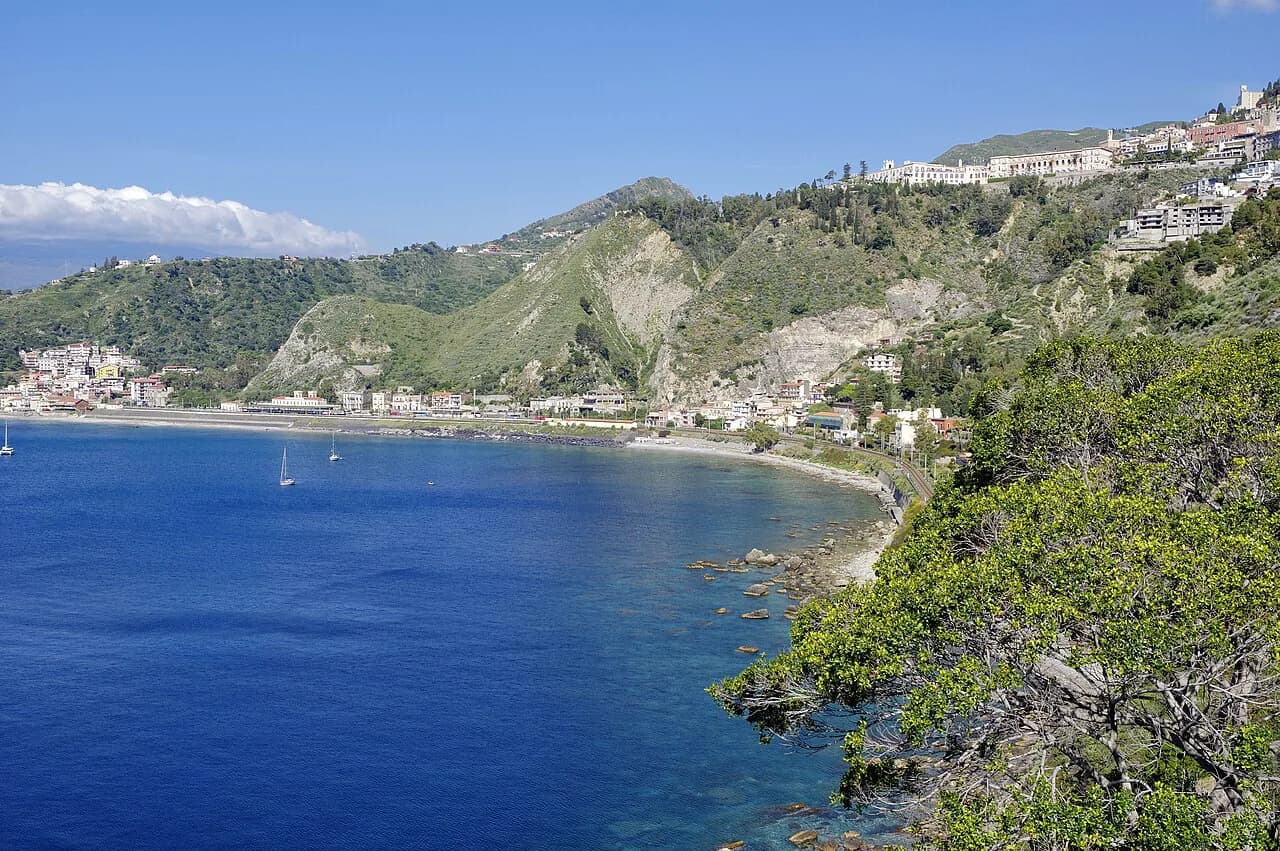
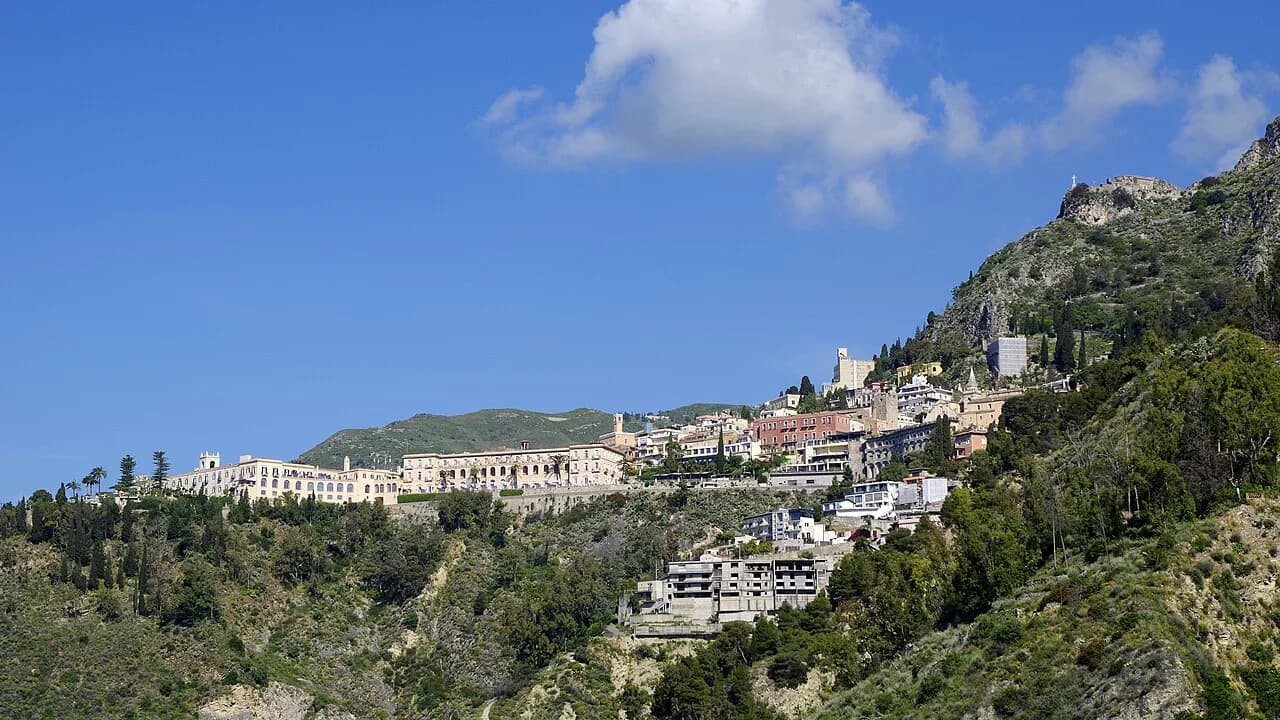
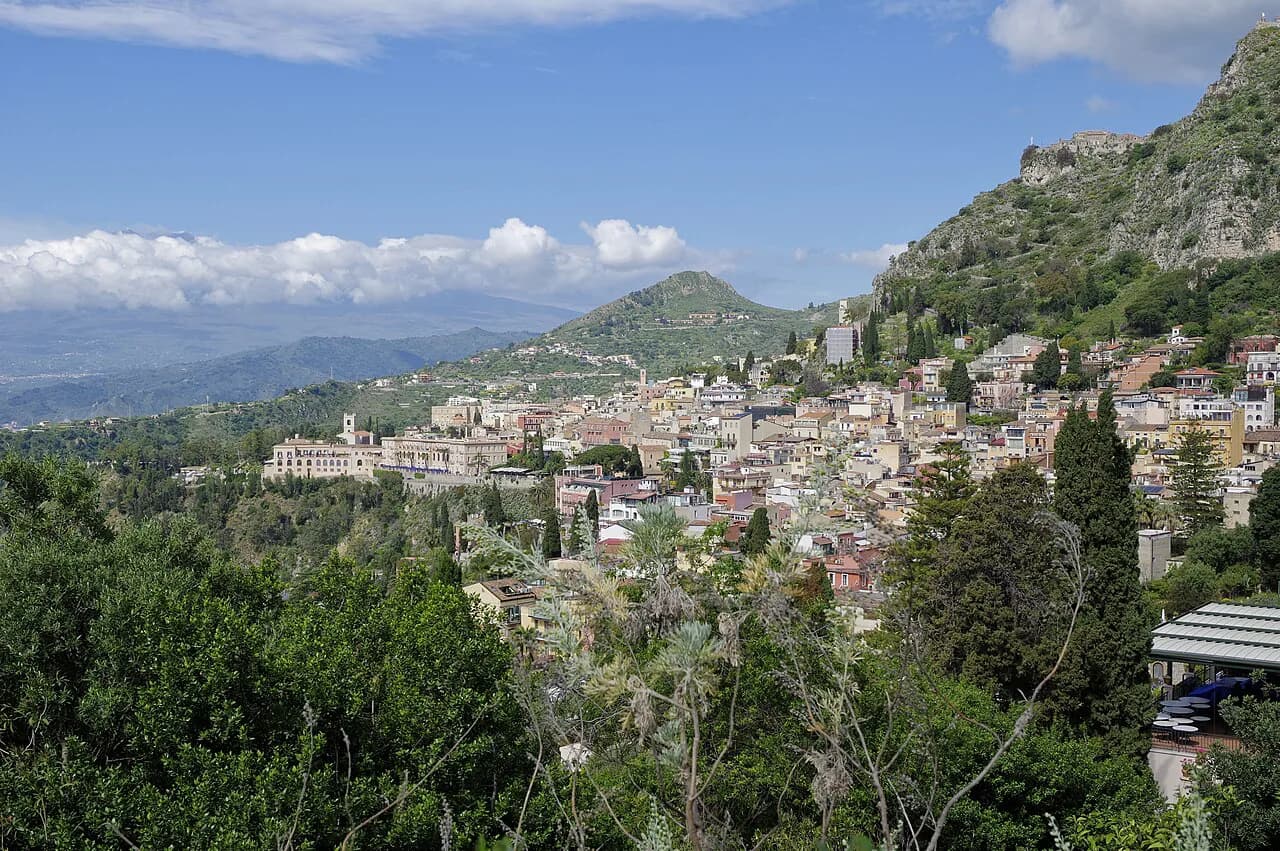
Taormina is at its most usable in May: the streets and piazzas are open, Etna is visible on clear days, and the cable car down to the coast at Isola Bella is a straightforward way to combine town and shoreline. It is the most polished and most expensive-feeling town on the island, so treat it as a short stay rather than a budget base. The nearby coast walk at Capo Milazzo, a circular route with natural hot springs, is also a good pre-season outing.
Catania is the practical eastern hub: markets, Baroque streets and the gateway to Etna and the ferries to the Aeolian Islands. Use it as a base for a day or two, then move up to Taormina or across to the islands rather than commuting from one end of the coast to the other.
Mount Etna in May: hiking the lava fields and the wine country around it
Etna is a May decision rather than a casual walk. Unaccompanied access stops at 2,900 metres for safety reasons, so a summit day means a guided tour that combines the cable car, a 4x4 and a guide, which is the most expensive single activity on most itineraries. If that cost does not appeal, the lower slopes, lava fields and cave walks still give you the volcanic landscape without the summit.
The volcanic soil around the mountain makes this one of Sicily's best wine areas, so pair an Etna day with a winery tasting rather than doing both on separate days. Check the tour operator's current arrangements for the cable car and summit access when you book.
The islands and boat trips as the season starts
Favignana is the easiest island day from the west: a regular ferry from Trapani's passenger port near Piazza Garibaldi takes around half an hour, and the island itself is quiet enough in May to explore the quiet roads and coves without a car. The Aeolian Islands work from Milazzo on the north coast, where the circular walk around Capo Milazzo makes a good pre-ferry morning.
Boat trips and island ferries are running by May but are still ramping up to summer frequency, so plan island days with a spare day either side rather than at the very end of a trip. San Vito Lo Capo, at the foot of Monte Monaco, is the west-coast base for a beach day, with the clear water at Tonnara del Secco a quieter alternative.
Coastal walks and countryside hikes
The Riserva Naturale dello Zingaro, near San Vito Lo Capo, is the best easy coastal walk on the island: a path with small coves along the way and sea views throughout, ideal in May before the summer heat. In the southeast, the Vendicari coastal route adds beaches and birdlife, and in the northeast Capo Milazzo gives you a circular walk with hot springs near the path.
Plan walks for the morning and leave the afternoon for towns, wine or a late lunch. Exposed paths on the west coast can be windy in May, and the higher ground on Etna is significantly colder than the coast, so keep hill-town and altitude days flexible.
Food in season in May
Sicilian food is the argument for lingering in the markets rather than rushing between sights: arancini, pasta alla norma, cannoli and granita with brioche are all everyday eating, and spring markets in Palermo and Catania are at their best before noon. Palermo is the street-food capital, while Trapani has the strongest seafood reputation on the west coast.
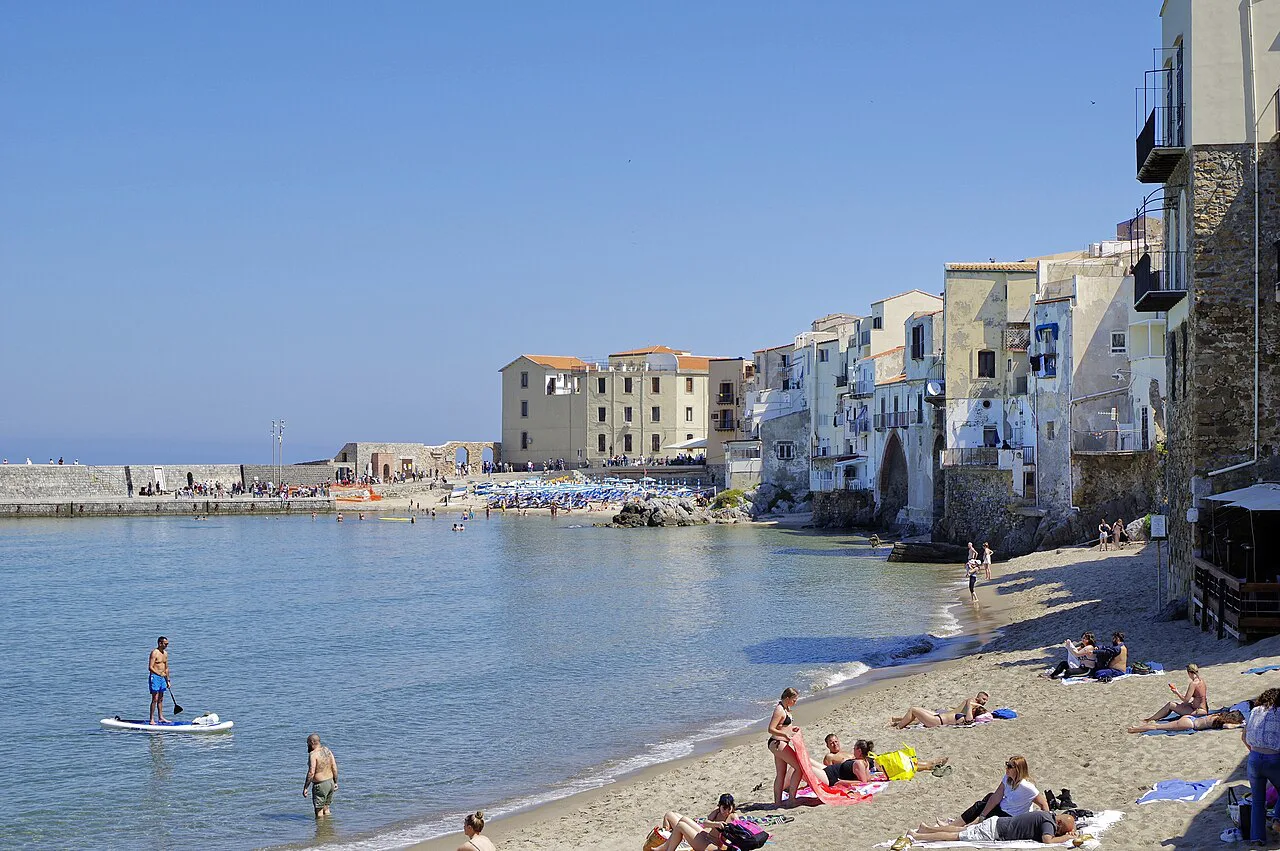
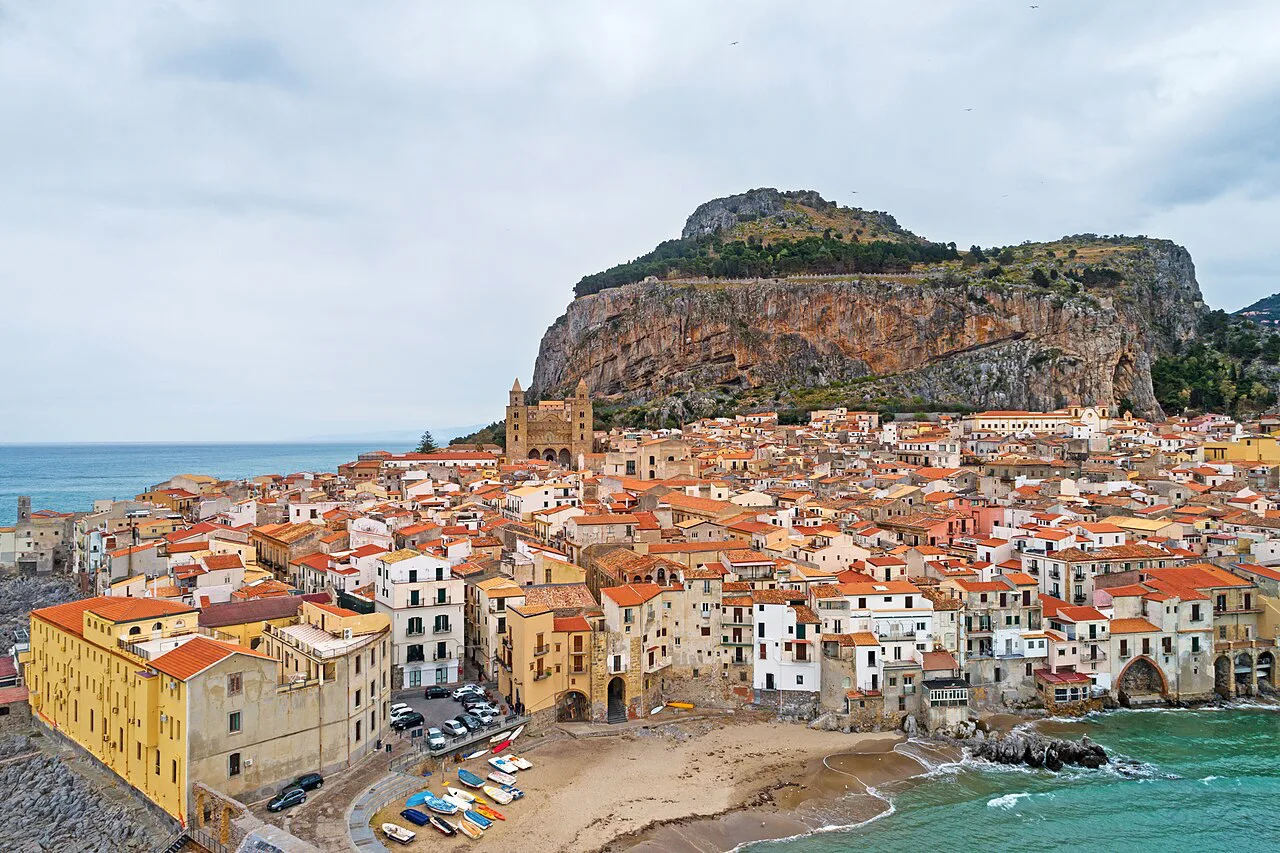
Use May to eat outside without the summer queue. Book ahead for Taormina and the more polished coastal towns, and eat at lunchtime in the market towns where trattorias are busiest at midday. A winery lunch on Etna is a logical end to a volcano morning, and Cefalù's harbour is a good place for a slow seafood meal in the early evening.
May crowds and prices
May sits in a useful gap between the Easter period and the Italian summer holidays. Expect quiet towns, easy parking outside Palermo and Catania, and room to walk even on the most popular routes. UK bank holidays and half term can bring short bursts of British and American visitors to Taormina and the southeast, but nothing like the July and August pressure.
Prices feel mid-season rather than peak: high-season urban hotels and Taormina command more, while rural agriturismi and the south-coast towns stay reasonable. When a source quotes a specific entry fee, treat it as an indication and check it on the official ticket page before you budget; the big sites and Etna tours are where costs add up.
What is open in May
Sights and towns are fully open by May. Palermo's Norman Palace is open Monday to Saturday with a shorter Sunday schedule, and Monreale's cathedral runs a daily timetable with a long midday break and Sunday afternoons only; both are worth timing your day around rather than arriving at random. Market hours in Palermo are also worth checking, since the main markets trade Monday to Saturday with a shorter Wednesday.
Beach clubs and seasonal restaurants are in a ramp-up phase rather than full summer mode, and some island boat services run reduced timetables early in the month. Where a ferry or boat company publishes a timetable, use it; where it does not, build in a buffer day rather than assuming a crossing or club will be open on the day you want it.
Sicily in May or June?
Choose May for walking, ruins, food and quieter towns; choose June for warmer evenings, more reliable beach weather and a fuller summer rhythm. May is the better month for Etna, the Zingaro and the Baroque towns, while June is the stronger pick if your trip is built around swimming and late dinners outside. The shift between the two is mostly about heat and crowds rather than about what is open.
If you are still comparing months, the wider Sicily in spring picture covers how the season opens across the island, and the June guide covers the trade-offs at the other end of the window.
May or April in Sicily?
April is quieter and greener, with cooler days and a higher chance of rain; May is warmer, drier and better for coastal walks and evenings outside. If you want the island largely to yourself and do not mind a jacket in the evening, April works; if you want the trip to feel like spring turning into summer, May is the better call. The things to do in Sicily in April will show you the earlier version of the same itinerary.
The verdict
Book May if you want to do Sicily properly rather than lounge on it: temples early, markets before noon, coastal paths in the morning and dinner outside on the south and east coasts. Split the trip into two bases rather than one, so Palermo and the west do not eat all your time and the Baroque southeast gets a proper day.
Wait for June if warm sea, guaranteed hot evenings and full summer service are non-negotiable. For a European comparison before you commit, see where is warm in Europe in April and the Sicily in May guide for the month-by-month view.
More Sicily spring guides
Frequently Asked Questions
How hot is Sicily at the end of May?
Late May is typically the warmest part of spring, with mild-to-warm daytime highs and much cooler nights, and the south and east coasts generally feeling warmer than the higher interior. Use the Aeronautica Militare climate figures for the specific town you are visiting rather than a single island-wide number.
Is May a good time to visit Sicily?
Yes. May suits sightseeing, ruins, markets, coastal walks and one guided Etna day, with quiet towns and warm-but-not-hot weather. It is less suitable if you want long beach days and warm evenings every night, which points to June.
Can you hike Mount Etna in May?
You can walk the lower slopes and lava fields, but access above 2,900 metres requires a guide, so a summit day means booking a tour that includes the cable car and 4x4 transport. Summit access can change, so check current details when you book.
Is the sea warm enough to swim in Sicily in May?
The sea warms slowly and is still cool for most swimmers in May, especially on the west and north coasts. Treat swimming as a bonus rather than the plan, and save regular swimming for June onwards.
Is Sicily crowded in May?
No. May falls between the Easter period and the Italian summer holidays, so towns are quiet, parking outside Palermo and Catania is manageable and popular walks have room. UK bank holidays and half term bring short busy spells to Taormina and the southeast.
Sources
Spring sun notes
Optional updates when we add destinations and months.
You might also like
Continue reading
More guides you'll find useful