Things to Do in Sardinia in June: Beach & Hiking Picks
June is when Sardinia's boat trips, coastal walks and archaeology all work together. Here are the activities that suit the month, and what still feels early.
On this page
June is the first month when nearly everything on Sardinia works at once: the sea crossings go, the high coastal trails are dry, and the long evenings make a late return from a boat day realistic. Days are warm and bright with strong sun, evenings are mild rather than hot, and rain becomes occasional rather than routine. It suits walkers, boat-goers and anyone who wants sightseeing without August's crush.
The trade-off is that June is not yet a laze-on-the-beach month in the way July and August are: the water warms slowly and the wind on exposed coasts can make an afternoon feel cooler than the thermometer suggests. If you want guaranteed heat and warm sea, go later; if you want the island's outdoor set pieces running with some breathing room, June is the sweet spot between the two.
June on Sardinia: warm, bright and finally fully open
By June the island's excursion calendar has filled in: boat trips, guided hikes and food experiences that run thinly in spring operate on a fuller schedule now. TUI Musement's listings show the breadth on offer, from catamaran days in the La Maddalena archipelago to cooking classes in Olbia and market food tours in Cagliari. That range matters because it lets you build a week around the sea, the mountains and the table rather than commit to one.
If you are weighing months, June sits between a cooler, greener Sardinia in May and the full summer peak. Our guide to Sardinia in May covers the quieter version, while the June picture is brighter and busier. Anyone comparing the whole season can start with the best time to visit Sardinia and then narrow down.
The sea, the wind and the long evenings
June's daylight is generous, so a seven-hour boat day leaves you back on land with time for a late dinner. The catch is the mistral and the afternoon breeze, which can turn a calm morning crossing into a choppier return and cool the exposed north and west coasts. Plan water days for the morning and keep a land activity in reserve for the afternoon.
The sea itself warms slowly, so early June still feels brisk for long swims even when the air is hot; by late June it is more forgiving. That is the main reason to treat June as a walking and boating month first and a swimming month second. Families with small children often find the shore days easier later in the summer.
Early vs late June: what changes as the season fills in
Early June feels like a well-organised shoulder season: boats run, trails are quiet, and restaurants have space without the midsummer buzz. Late June brings school-holiday energy in parts of the north, fuller boats and the first real heat, with the sea noticeably more inviting. The difference of three weeks is large enough to decide your dates before you book anything else.
If you are travelling in the first half of the month, build in a flexible day for the offshore archipelagos, since wind is the one thing that can cancel a crossing at short notice. In the second half, book the popular boat days ahead, because the catamaran and archipelago trips sell out fastest when the season peaks.
La Maddalena archipelago by boat from Palau or Cannigione
The La Maddalena archipelago is the north's signature day out: granite islands, clear water and the island of Caprera, reached by ferry from Palau. The smaller islands are boat-only, so a tour that strings several together is the efficient way to see them. In June the crossings are reliable and the water is at its clearest before the summer crowds arrive.
Choose your departure point by where you are based: Palau for the ferry and the shortest crossing, Cannigione for the northern catamaran and small-boat trips. Both work as day trips from the Costa Smeralda and Santa Teresa di Gallura. Book a full-day catamaran with lunch if you want the archipelago without organising ferries yourself.
Cala Luna and Cala Goloritzé by boat from Arbatax
The Gulf of Orosei is a different proposition from the north: limestone cliffs, deep coves and the two famous beaches of Cala Luna and Cala Goloritzé, best seen from the water. Boats leave from Arbatax and nearby harbours, and in June the sea is usually calm enough for the run south. This is the trip to pick if you want drama rather than granite.
The two gulfs are frequently confused, so be clear about which coast you are booking: La Maddalena is north-east, the Orosei coves are central-east. Doing both in one week means a lot of driving, so most visitors choose one. Our guide to things to do in Sardinia in May describes the same boat days in a quieter season.
Catamaran day out in the La Maddalena archipelago
A catamaran day is the most comfortable way to combine the archipelago's highlights with lunch and a swim stop, and the steady deck suits mixed-age groups. Published prices on the TUI Musement page start at around £52 per adult for the La Maddalena catamaran with lunch, and the boat trip between Cala Luna and Cala Goloritzé from Arbatax starts at around £90. Treat those as starting rates rather than the price of every departure.
Book directly through TUI Musement and read what is included, because lunch, drinks and snorkelling gear vary between departures. Group size and language options are listed alongside each trip. The site publishes its Sardinia excursions with current prices and availability.
Capo Testa and the Santa Teresa di Gallura coast
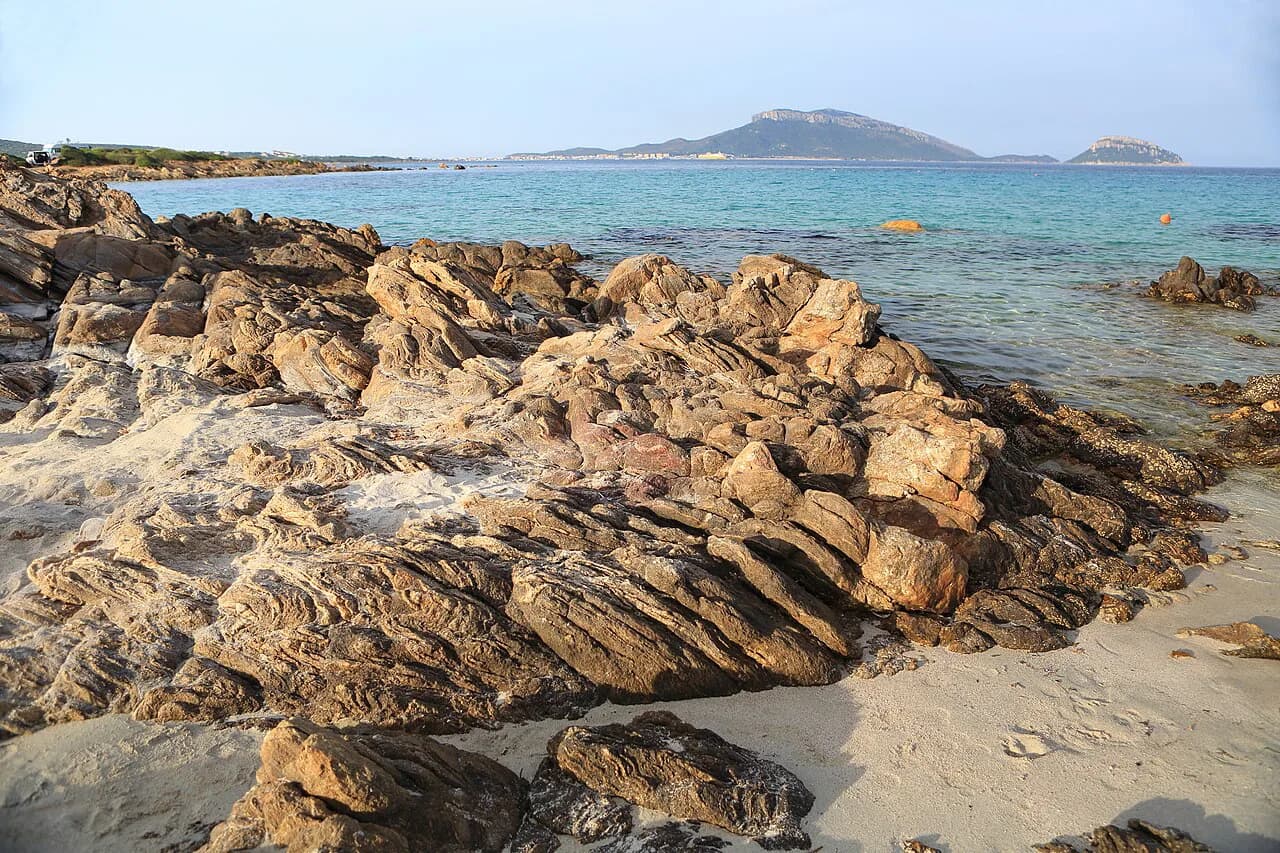
Capo Testa, at the tip of the Santa Teresa di Gallura coast, is a granite headland with two beaches split by the road through town and a nature reserve behind it. In June the walking is dry and the views across the strait are sharp. It is a half-day rather than a full one, easily paired with a lazy lunch.
The reserve trails give you elevated views back over the beaches, and the rocks are the draw for anyone who likes a scramble. The nearby beach clubs run in season, so June is early enough to find them calm. Come in the morning for the clearest light and the coolest walking.
Asinara National Park by ferry from Porto Torres or boat from Stintino
Asinara is an uninhabited island national park off the north-west coast, with rocky cliffs, walking trails and quiet beaches. You reach it by ferry from Porto Torres or by boat from Stintino harbour. June's dry trails and long days make it one of the best months to commit to a full day there.
Because the island has no resort infrastructure, you need to plan the crossing and the walking together rather than improvise. That is exactly the sort of day June rewards: settled weather, plenty of daylight and no need to rush the last boat.
Castelsardo and the northwest castle town
Castelsardo is a small town built around a medieval fortress on the north-west coast, with views that people liken to a miniature Amalfi Coast. It is a natural stop between Porto Torres and Santa Teresa di Gallura. In June the lanes are warm but not yet crowded, which makes the climb to the castle pleasant.
Give it a morning or an afternoon rather than a whole day, and use it to break up a drive along the north-west coast. The sea views from the upper town are the reason to come.
Sassari's old centre and its churches
Sassari is one of the island's oldest settlements and its second city, with a dense historic centre of churches and squares. The Cattedrale di San Nicola, Piazza d'Italia, Chiesa di Santa Maria di Betlem and Piazza Castello make a coherent walking route. June's long evenings suit a late-afternoon city wander after a coast morning.
The city is often skipped in favour of the beaches, which is exactly why it feels unhurried in June. Pair it with a food stop, since the surrounding area is farm country. Our things to do in Sardinia in April covers the same city in a cooler season.
The Via Ferrata della Regina hike
The Via Ferrata della Regina is the island's headline guided climbing outing, with fixed cables and exposure above the sea. The TUI Musement listing gives it as a flexible-duration guided tour starting at around £84. It is the activity that most depends on June conditions, because dry rock and settled weather are what make it comfortable.
It is a guided experience rather than a solo walk, so book with a licensed operator and confirm the kit and fitness requirements before you commit. If you want exposed coastal walking without the cables, June also opens up the high trails elsewhere on the island.
Gulf of Angels diving and beginner scuba at Calamosca
The Gulf of Angels near Cagliari is the south's established dive area, with half-day dives from around £105 and beginner sessions at Calamosca from around £105. June's calmer seas and clearer water make it a sensible month to try a first dive. The same operators run courses for qualified divers who want more than a taster.
Book a beginner session if you have never dived, since the shallow Calamosca site is built for it, and a half-day boat dive if you are certified. Check the medical declaration with the dive school before you book. Cagliari is the natural base for both.
Food and drink in June: market, cooking class and shepherd's lunch
June is a good month to eat your way around the island, from a Cagliari city market food tour with tastings to a cooking class in Olbia or a farm day with a shepherd and lunch at Arzana. Sardinian staples worth seeking out are malloreddus with sausage, wafer-thin pane carasau, pecorino, seadas with honey and Vermentino wine.
An agriturismo lunch is the most rewarding food stop if you have a car, with porchetta cooked on the spit and vegetables from the farm. Booking ahead matters more as the month fills. For a city-based version, the market tour in Cagliari gives you the produce and the stories in one morning.
Crowds and prices in June
Crowds build through June: early in the month you will find space on trails and boats, while late June brings the first real holiday pressure to the north and the Costa Smeralda. Prices rise with demand, and the island is not cheap at the best of times. Budget by activity rather than by day: boat days and guided hikes are the big line items, while city food and markets are modest.
For a sense of how the season prices differ, compare a spring visit with our Sardinia in April guide, where the same places cost less and run on thinner schedules. The exchange between cost and choice is the central June trade-off.
June or May? June or September?
May is the quieter, greener month with lower prices and thinner excursion schedules; June adds full boat operations, long evenings and more reliable dry weather. September gives you the warmest sea of the three and a calmer feel after the school holidays end. June is the best compromise if the boat days are the point of the trip.
If you want the sea at its best and can travel later, September edges June on water temperature. If you want the island at its most active without the August peak, June wins. Our guide to Sardinia in June sets out the month in full, and the wider picture of where is hot in April helps if you are still choosing a season.
The verdict
June is the month to come to Sardinia for the island's outdoor set pieces rather than for the beach alone: the La Maddalena crossings, the Gulf of Orosei boat days, the Via Ferrata and Asinara all work at their best. It is also the month when early and late feel quite different, so pick your week deliberately.
If you want the fullest schedule, go in the second half of June; if you want space and lower prices, go in the first half and keep one flexible day for the weather. Either way, book the boat days and guided hikes early and leave the coast and the cities loose. Anyone planning a spring version of the same trip will find it in Sardinia in spring.
More Sardinia spring guides
Frequently Asked Questions
What is the temperature in Sardinia in June?
Expect warm days and mild evenings, with strong sun and only occasional rain. Exact figures vary by coast and altitude, and the national weather service publishes the climate normals to compare against your dates.
Is Sardinia worth visiting in June?
Yes, if you want the island's boat trips, coastal walks and archaeology to all be running without the August crush. The one caveat is the sea, which is still warming early in the month, so treat June as a boating and walking month first.
What are the best boat trips in Sardinia in June?
The La Maddalena archipelago from Palau or Cannigione, and the Gulf of Orosei coves of Cala Luna and Cala Goloritzé from Arbatax, are the two headline trips. The first is granite islands and clear water; the second is limestone cliffs and deep coves.
Is Sardinia expensive in June?
It is not a cheap island, and prices rise as the month fills toward the school holidays. Boat days and guided hikes are the biggest costs, while markets, city food and everyday eating are more modest. Operators publish current prices for their excursions.
Should I visit Sardinia in June or September?
June gives you longer days, fuller excursion schedules and a greener island; September gives you a warmer sea and a calmer feel after the holidays. If boat trips are the point of the trip, June is the safer bet.
Sources
Spring sun notes
Optional updates when we add destinations and months.
You might also like
Continue reading
More guides you'll find useful