Cinque Terre in Spring: Weather & What to Decide
Cinque Terre in spring brings mild days, green terraces and thinner crowds, but April rain and cool evenings are real. Here is how each month compares.
On this page
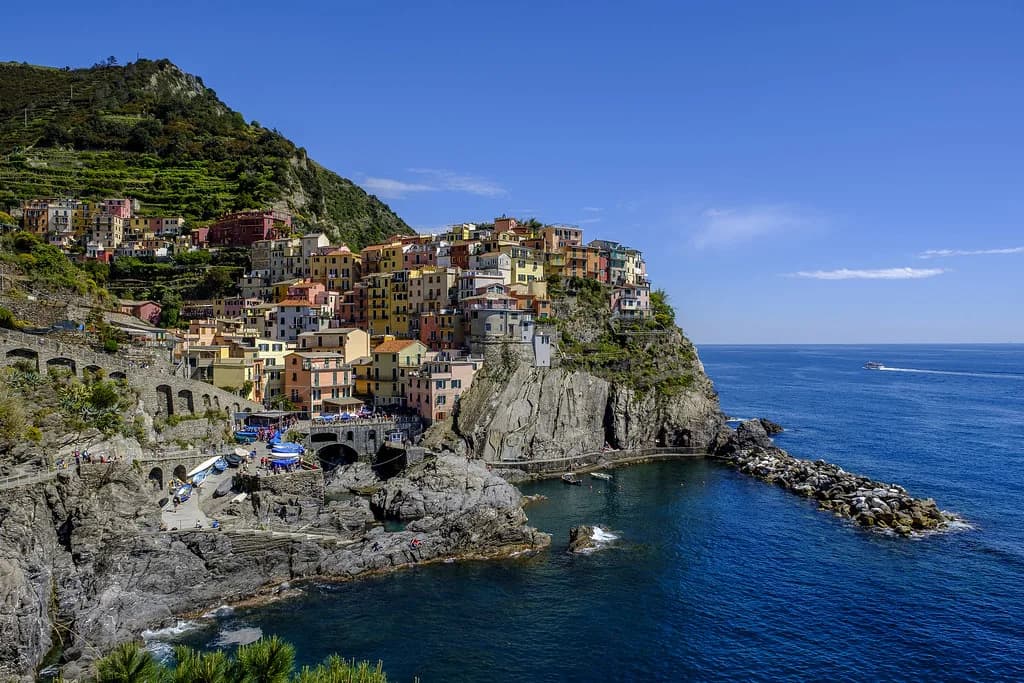
Spring gives you the version of Cinque Terre that most people picture but rarely get in July: mild daytime temperatures, terraced hillsides in leaf and villages busy enough to feel alive without the shoulder-to-shoulder crush. The trade-off is unsettled weather in March and April, and sea that stays cold well into the season. The months differ sharply, so the right one depends on whether you prioritise dry walking days or softer light and quiet lanes.
Spring in Cinque Terre at a Glance
The five villages string along a steep Ligurian coast between Levanto and La Spezia, connected by a regional rail line, a coastal path network and seasonal boats. In spring the weather shifts fast from week to week, so plan walking as the flexible part of the trip and keep a village-and-viewpoint day in reserve. If you want the month-by-month picture for the peak spring window, start with our guide to Cinque Terre in April.
The closest long-term climate record is the WMO 1991-2020 normals for Sarzana Luni, roughly 15 km east of La Spezia, and it shows a clear progression: April averages about 18 °C by day, May about 22 °C and June about 26 °C, with night-time lows climbing from around 9 °C to 16.5 °C. Rain days fall from 7.2 in April to 4.9 in June, so the season dries out as it warms.
March: Cool, Quiet and Often Showery
March is the month for people who want the villages to themselves and can accept grey skies. Daytime temperatures sit well below the April figures, rain comes in spells and the terraces are greening but not yet in full leaf. Coastal walking is possible on bright days but the ground stays damp, and the steep stone staircases between terraces get slippery after rain.
What March does well is atmosphere: Corniglia's clifftop perch above its own little bay, the empty evening passeggiata in Vernazza and Manarola's harbour view without a queue for the classic shot. Restaurants and boat operators often run reduced hours before the season opens properly, so build your day around the villages rather than around a fixed excursion. If you are choosing between European destinations for early spring sun, see where is warm in Europe in April before committing to Liguria.
April: Mild Highs, Cool Nights and the Wettest Spring Month
April is the month that most divides visitors. The WMO normals put the average daily maximum at 17.97 °C (64 °F) and the average night-time minimum at 9.22 °C (49 °F), with 7.17 rain days and 80.5 mm of precipitation, making it the wettest of the spring months. In practice that means brilliant walking weather on the dry days and genuinely cold, wet evenings when a front comes through.
For sightseeing and village-hopping, April is excellent: the light is soft, the vineyards on the terraces are pushing out new growth and the crowds are a fraction of June's. For sitting outside in the evening, it is not. A rain day is a real risk, and the villages are small enough that there is limited indoor shelter beyond churches, cafés and the station bars, which is worth factoring into a short trip.
The practical backbone of an April visit is the Cinque Terre Express regional service, which Trenitalia runs roughly every 15 minutes from mid-March to mid-November, plus the park's trekking and rail cards. The trekking card is priced at €7.50 for one day and €14.50 for two, while the adult rail card runs €19.50 for one day, €34 for two and €46.50 for three between 26 March and 6 October.
May: The Pick of the Season for Walking
May is the strongest all-round month. The normals show an average daily maximum of 22.21 °C (72 °F) and a minimum of 12.99 °C (55 °F), with 5.81 rain days and 59.27 mm of rain, so days are warm enough for long walks and evenings mild enough to eat outside. The coastal path between the villages is at its most comfortable, before the summer heat makes the climbs punishing.
This is the month to give each village a role rather than racing through all five in a day. Monterosso al Mare has the widest spread of places to eat and the longest flat seafront; Vernazza and Manarola deliver the postcard views; Corniglia rewards the climb from the station with a quieter, more local feel. Levanto, one stop beyond Monterosso, makes a useful base if you want more space and easier access. For a fuller picture of the month, read our guide to Cinque Terre in May.
June: Warmth, Long Days and the First Real Heat
June changes the character of the trip. The normals show an average daily maximum of 26.15 °C (79 °F) and a minimum of 16.5 °C (62 °F), with only 4.88 rain days, so rain stops disrupting plans and the sea finally starts to feel less forbidding. Days are long, which makes late-afternoon walks and evening boat trips realistic rather than a gamble.
The cost of that reliability is heat and volume. Midday climbs between terraces get uncomfortable, the trains fill up and the villages absorb day-trippers from La Spezia and Florence in a way they do not in April. If you want June warmth without the peak, target the first half of the month. Our guide to Cinque Terre in June covers what shifts as summer arrives.
Early vs Late Spring
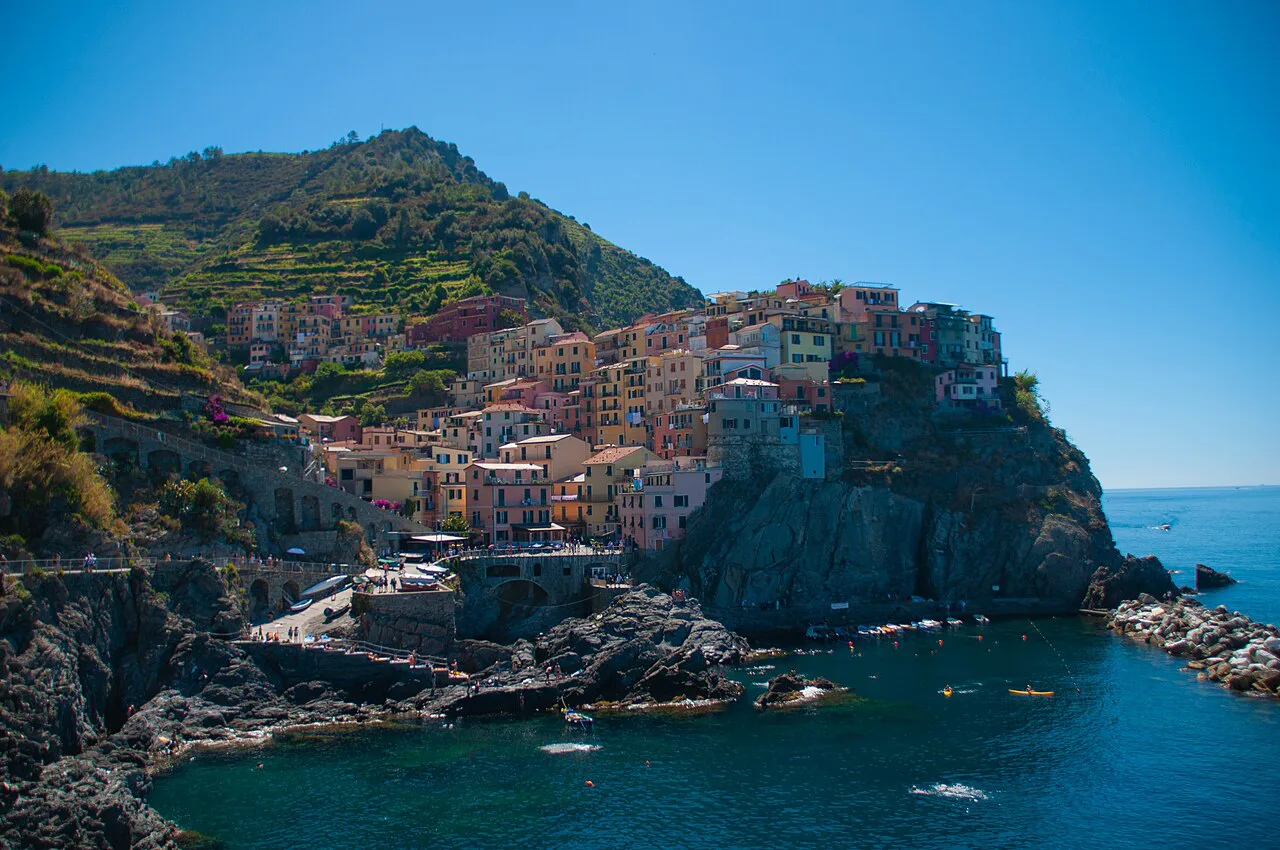
The difference between the start and end of spring in Cinque Terre is roughly eight degrees of daytime warmth and a halving of rain days. Early March suits quiet wandering and photography; late March and early April suit walkers willing to dodge showers; from mid-May onward you can plan outdoor days with confidence. Late June already feels like summer, with the trade-off of heat and crowds.
Plan your walking for the morning in every spring month. Afternoon cloud builds over the ridge behind the villages, and the terraced paths have little shade until the vines leaf out fully. A flexible itinerary that can swap a coastal walk for a village day when rain sets in will serve you far better than a fixed five-day hiking plan.
What Is Open in Spring
The villages are inhabited year-round, so churches, cafés, food shops and the station bars operate throughout spring; it is the seasonal layer that varies. The rail line is the constant: the Cinque Terre Express links Levanto and La Spezia with frequent regional trains, and the park cards bundle train travel with trail access.
Boats and ferries along the coast typically run a reduced shoulder-season timetable before the summer frequency picks up, so treat a boat trip as a bonus rather than the spine of your plan. Book any boat or guided walk directly with the ferry company or guide, and check departure points and timings for the days you are there. Trail conditions are the other variable: sections of the coastal path close for repair and landslide work, so check which walks are open at the park office or official park website rather than relying on older guides.
Things to Do: Walks, Terraces and Viewpoints
Spring is walking season here, and the reward is the terraced landscape at its greenest. The trails above Manarola and Corniglia pass through dry-stone-walled vineyards where Sciacchetrà grapes are grown, and the views back over the villages are sharper in spring light than in summer haze. Pick one section of the coastal path per day rather than attempting the full traverse.
Food shifts with the season too: spring brings Ligurian pesto made with new basil, vegetable torta salata, anchovies from the local boats and white wine from the terraces. Eat lunch in a village trattoria rather than at the station, and use the afternoon for a viewpoint such as the Corniglia belvedere or the Manarola punishment path above the harbour. For a month-specific list, see things to do in Cinque Terre in April.
Crowds and Prices
Spring crowds build around Easter and the Italian public holidays in late April, then again over the UK May bank holidays and half term. Between those peaks, April weekdays are genuinely quiet compared with July. The villages receive around 7,000 visitors a day and up to 10,000 in high season, so the shoulder weeks are where the difference tells.
Spring pricing in the villages is softer than summer but not cheap, especially at Easter and the May holidays; accommodation in Monterosso and Vernazza books out first at those times. The fixed costs are the park cards, which cover train travel and trail access, so pricing your days around a multi-day card usually beats buying single tickets.
The Honest Drawbacks
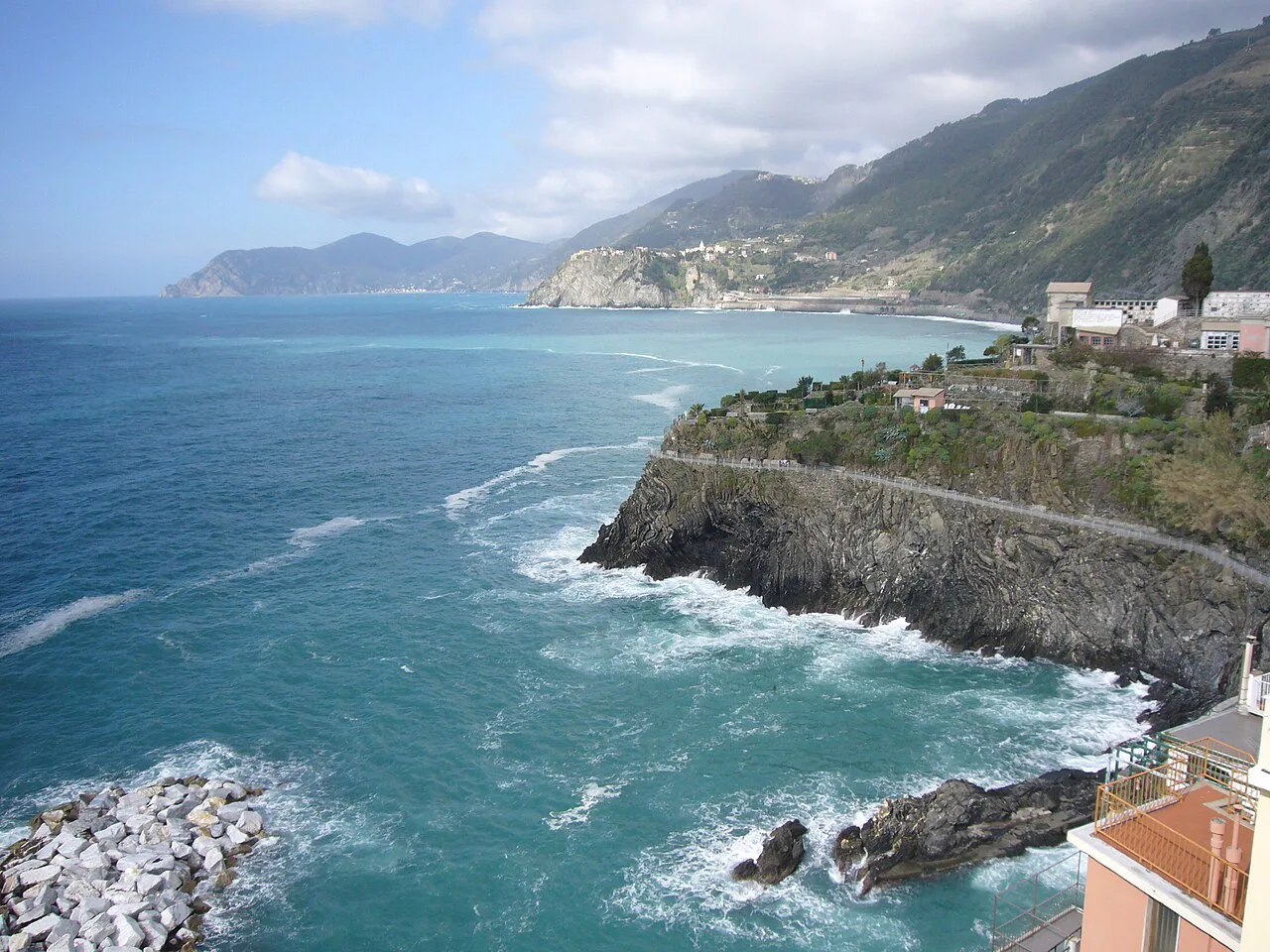
April rain is the big one: 80.5 mm across more than seven wet days means the villages offer limited indoor alternatives when a front comes through. Cool evenings persist into May, and the sea stays cold well into June, so anyone expecting to swim comfortably should aim later or accept a brief dip. Trail closures can cut off the walk you came for.
The villages are also steep, stepped and connected by trains that get crowded at peak times. Anyone with mobility concerns should plan around the flatter seafront at Monterosso and the station lifts rather than the stair-heavy upper lanes. None of this ruins a spring trip; it just means spring rewards planning more than summer does.
Spring or Autumn?
Autumn offers warmer sea, harvested vineyards and a similar drop in crowds, but the rain risk shifts later and the days shorten faster. Spring wins on daylight, greenery and the freshness of the terraces, and it suits walkers who prefer cool starts. If you are weighing coastlines, the Amalfi Coast in spring has a different rhythm and a much longer transfer from the airports.
The Verdict
Pick May if you want the best balance of warm days, open trails and manageable crowds, and accept a small chance of rain. Choose April if you prioritise quiet lanes and green terraces and can build flexibility into your itinerary. June brings reliable sunshine and warm evenings at the cost of heat and volume, while March suits travellers who value solitude over comfort.
Plan Your Spring Visit
Book accommodation early for Easter and the May bank holidays, then build your days around the rail line and a multi-day park card. Keep one indoor-friendly day in reserve for April, and check the official park website for which trails are open before you travel. For anything else, the park's own information points at Monterosso and La Spezia are the authoritative source.
More Cinque Terre spring guides
Frequently Asked Questions
What is the weather like in Cinque Terre in spring?
Spring warms steadily from March to June. April averages about 18 °C by day and 9 °C at night with the most rain of the season; May reaches roughly 22 °C by day; June averages about 26 °C with far fewer wet days. Evenings stay cool well into May.
Is Cinque Terre warm in April?
Daytime highs average around 18 °C, which is comfortable for walking and sightseeing but not for lying on a beach. Nights drop to about 9 °C, so evenings feel cool. April is also the wettest spring month, with more than seven rain days on average.
Is May or June better for Cinque Terre?
May is better for walking and village-hopping: warm days, mild evenings and fewer crowds. June brings more reliable sunshine, longer days and warmer evenings, but midday heat and heavier visitor numbers make the trails harder work.
Are the boats running in spring?
Boat services along the coast generally run a reduced timetable in the shoulder season before the summer schedule begins. Check current departure times for your dates, and treat a boat trip as a bonus rather than the basis of your itinerary.
How do I get around the villages in spring?
The Cinque Terre Express regional train links Levanto, the five villages and La Spezia, and runs frequently from mid-March to mid-November. Park cards combine train travel with trail access; multi-day cards usually work out cheaper than single tickets.
Is Cinque Terre worth visiting in the rain?
Yes, with caveats. The villages stay open and the light is dramatic, but indoor options are limited and steep paths get slippery. Plan one flexible day per trip and keep a village-and-café day in reserve for wet weather.
When is the best time to visit Cinque Terre?
May is the best all-round spring month, balancing warm walking weather, open trails and moderate crowds. Late April and early June also work well if you avoid the Easter and bank holiday peaks.
Sources
Spring sun notes
Optional updates when we add destinations and months.
You might also like
Continue reading
More guides you'll find useful