Best Time to Visit Sicily: Spring, Summer or Autumn?
Spring is the best time to visit Sicily for walking, sightseeing and easy temperatures. Compare April, May, June, autumn and high summer honestly.
On this page
Late April to mid-June, and again from September into October, is the best window for most travellers to Sicily. You get daytime warmth that suits walking and sightseeing, evenings that are cool rather than cold, and a landscape at its greenest before the summer scorches it. Our guide to Sicily in april covers this in depth.
High summer is a different island: hot, busy and expensive, and better suited to lying still by water than to climbing Etna or crossing a baroque piazza at noon. Winter is quiet and cheap but often wet, with coastal resorts running on reduced hours. The honest answer depends on whether you want to move or to bake.
Weather by season: what the climate normals show
Sicily's figures vary enough between coast and interior that it pays to look at two stations. The inland Catania plain at Sigonella records an average April high of 21.4°C (70.5°F) and a low of 8.7°C (47.7°F), rising to 26.1°C (79°F) by day in May and 31°C (87.8°F) in June, with rain days falling from 4.8 in April to 1.4 in June.
Palermo on the north coast is milder and damper in spring: an average April high of 18.7°C (65.7°F) with 8.6 rain days and 65.1 mm of rain, then 23.3°C (73.9°F) in May and 27.2°C (81°F) in June, when rain days drop to 1.9. The two data sets use different averaging periods, so treat them as an indication of place rather than a like-for-like contest.
The practical reading is that spring is genuinely warm by day but cool after dark, especially inland and on Etna's slopes, and that the coast takes longer to shed its dampness than the southeast. By June the heat is building everywhere, and the difference between a breezy coastal evening and a still inland one becomes the deciding comfort factor.
March and April: wildflowers, walking and cool evenings
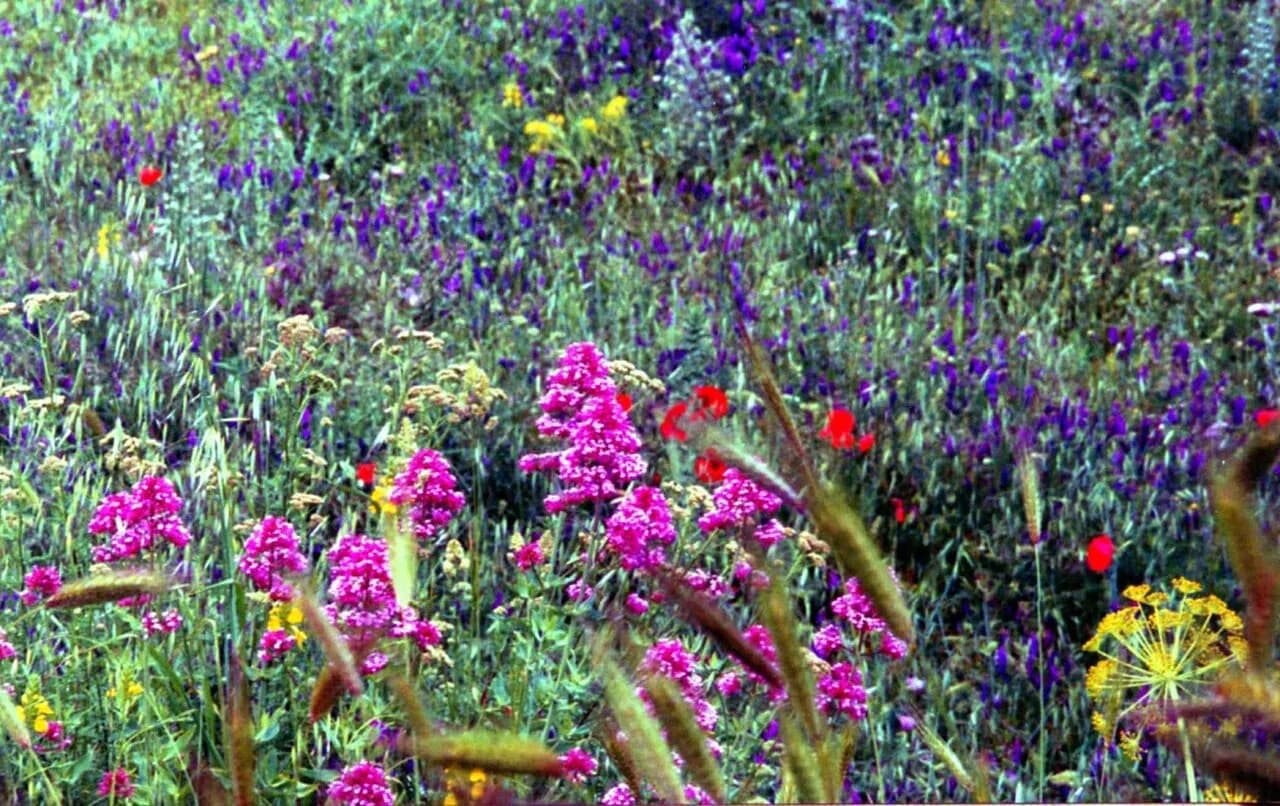
April is the month for people who want to walk rather than swim. Figures from the Catania plain show 21.4°C (70.5°F) by day and 8.7°C (47.7°F) at night, so mornings start crisp and evenings cool, while the countryside carries wildflowers and green grass that will be gone by June. Pack for layers and plan your outdoor days for the middle of the day.
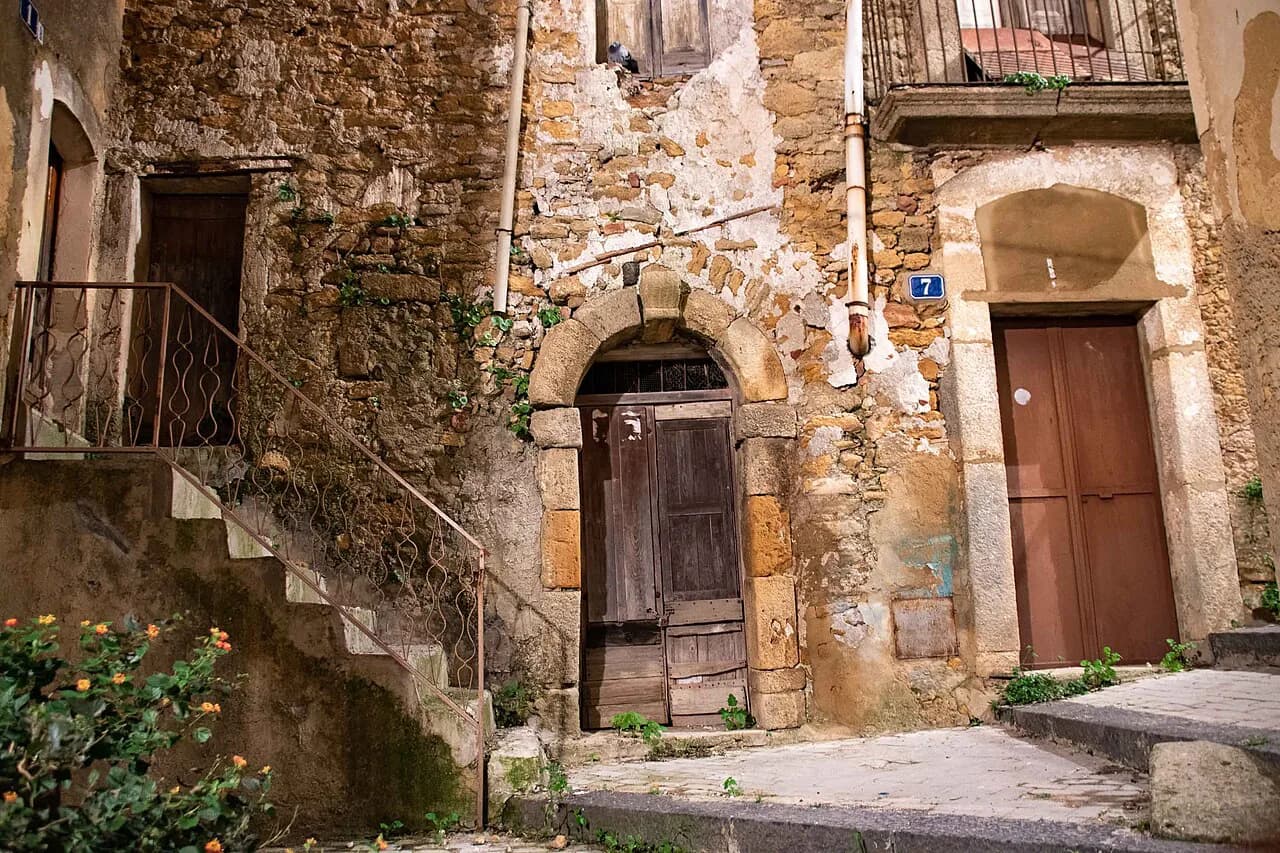
The southeast baroque towns — Noto, Ragusa, Modica and Siracusa — are at their best now, with warm stone, manageable queues and enough sun to make lingering in a piazza worthwhile. On Etna's lower slopes the same month gives you walking without the summer haze, and the volcano remains the island's single most rewarding day out when the summit is clear.
The caveat is water: the sea is still cold in April, so treat swimming as a bonus rather than the plan. If you want the warmth of a proper beach holiday, book later or look at somewhere further south, and compare warm places in Europe in April before committing.
May: the sweet spot for coast and countryside
May is the month most travellers should aim for. Sigonella's normals put the average high at 26.1°C (79°F) and the low at 12.3°C (54.1°F), with only 2.6 rain days, which means long, reliable days outside and evenings that need a light layer but not a coat. Palermo, cooler at 23.3°C (73.9°F), still delivers comfortable sightseeing weather with 4.1 rain days.
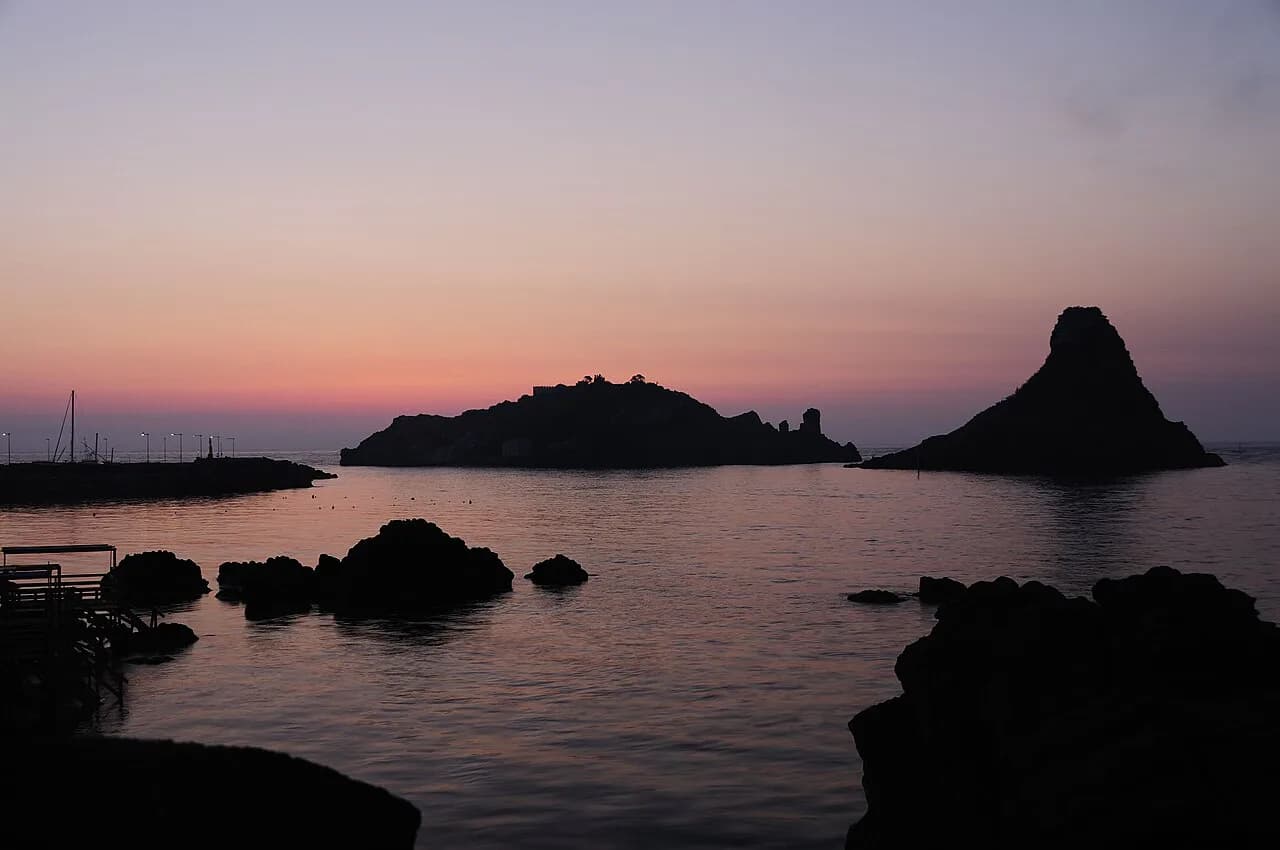
This is the window for coastal walking and boat trips before the summer rush: the Zingaro Reserve's paths are walkable without heat exhaustion, and the Aeolian Islands become day-trip territory rather than a hot slog. Ferries and boat operators run more services as the season opens, though island timetables thin out in bad weather at any time of year, so check sailing times when you book.
Spring school groups arrive from Easter onwards, so the headline sights are not empty, but May's crowds are a fraction of August's and prices are still well below peak. The Infiorata flower festival in Noto falls in May, when the town's streets are decorated with petals; check the town's own programme for the exact days rather than relying on secondhand listings.
June: heat arrives, sea warms, events begin
June is where Sicily turns from pleasant to hot. Inland normals show an average high of 31°C (87.8°F) and a low of 16.6°C (61.9°F), with just 1.4 rain days, so the risk shifts from rain to heat, particularly on the Catania plain and in the cities. Coastal Palermo is gentler at 27.2°C (81°F), which is why the north coast and the higher ground stay comfortable longer.
The sea finally warms enough for comfortable swimming, and Taormina's Greek theatre hosts concerts, opera and ballet from mid-June into September, which gives evenings a reason beyond dinner. Plan sightseeing for early morning and late afternoon, and keep a mountain day in reserve when the plain gets oppressive — Mount Etna's lower slopes run several degrees cooler than the coast.
Prices climb as the month progresses and the first summer visitors arrive, though June is still calmer than July. If your priority is lazing outdoors with a book, June works; if it is walking the interior, May is the better call.
July and August: heat, crowds and Ferragosto
High summer is hot, crowded and the most expensive stretch of the year, and the heat makes active days hard work. The beaches and coastal resorts fill up, roads get busy, and the Ferragosto public holiday in mid-August concentrates traffic and demand further. Book accommodation and any ferry crossings well ahead if you must travel now.
The compensation is the sea at its warmest, long evenings, and a festival calendar at full tilt. Walking in the mountains remains more pleasant than walking the coast, so shift your plans uphill and start early. If you have any flexibility, September delivers most of the same weather with far fewer people.
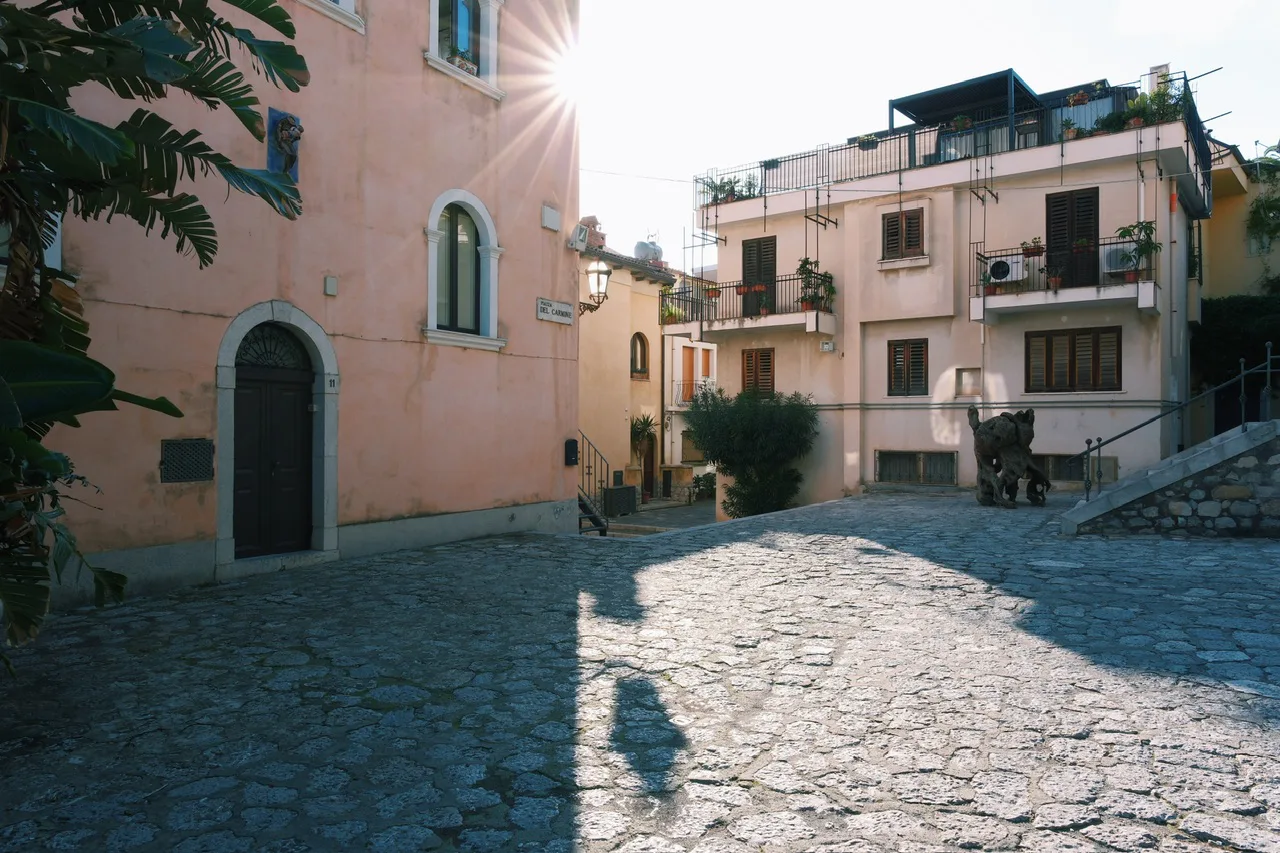
September and October: warm seas and calmer roads
September and October are the connoisseur's choice: the sea holds its summer warmth, the light softens, and the crowds thin out after the school holidays. Temperatures ease back towards spring levels, making walking and cycling comfortable again, and prices drop with demand. The trade-off is a rising chance of rain as autumn advances, particularly from late October.
September is especially good for diving and for the west coast, where San Vito Lo Capo hosts the Cous Cous Fest later in the year. The Valley of the Temples near Agrigento is far more bearable in autumn than in August, when the exposed ridges bake.
November to February: quiet, cheap and often wet
Winter is locals-only territory. Coastal resorts and many seasonal restaurants close, some sites shorten their hours, and the rain concentrates between November and January. In exchange you get low prices, empty streets and the freedom to see Sicily's ancient sites without jostling. Inland and mountain areas can get genuinely cold, sometimes near freezing.
It suits travellers who care more about archaeology, food and cities than sunshine on a beach. If you are chasing warmth, this is not your season; if you want Catania, Palermo and the baroque towns to yourself, it is hard to beat.
Early vs late season: what opens and closes
The season opens gradually rather than on a fixed date. In April, some coastal hotels, beach clubs and restaurants are still on reduced hours or shut altogether, and boat trips run a limited schedule. By late May most of the coastal infrastructure is open, and by June the island is running at full summer capacity.
Late April and late May are meaningfully different from their early-month counterparts, so if you are booking around a specific sight or boat trip, check opening times and sailing schedules directly rather than assuming it is running. The same applies to mountain access on Etna, where conditions can change the day's plan.
Where to go in spring: Etna, the southeast and the west coast
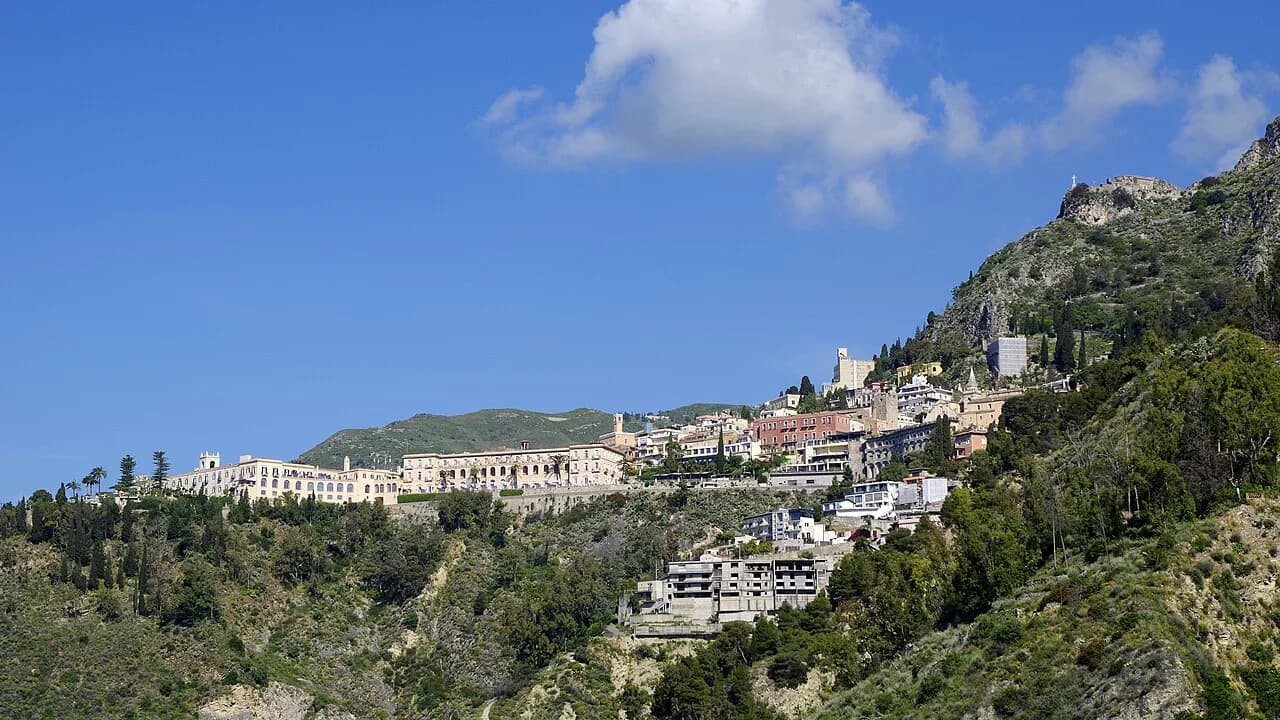
Divide the island by what you want from the day. Etna and its lower slopes give you walking, vineyards and cooler air, and suit April and May far better than July. The southeast — Siracusa, Noto, Ragusa, Modica — gives you baroque architecture and food at a pace that works in spring heat, with the sea close by for an afternoon.
The west coast around Trapani and San Vito Lo Capo is quieter, with the Zingaro Reserve's coastal path and the Egadi islands offshore; spring and early summer are its best months. Palermo, meanwhile, rewards city sightseeing in April and May, when its markets and churches are comfortable to explore without the summer swelter.
If you are weighing Sicily against other spring destinations, our guide to where is warm in Europe in April sets it beside the alternatives. Sicily's advantage is that it combines real heat by May with a cultural depth that beach-only islands cannot match.
Crowds and prices across the season
Think in bands rather than numbers. April is quiet outside the Easter period, May is busy but manageable, June builds steadily, and July and August are peak in every sense, with Ferragosto the single most concentrated crush. September is busy but nothing like August; October and winter are quiet.
The same pattern applies to prices: lowest in winter, rising through spring, highest in high summer, and easing again in autumn. Exact rates depend on where you stay and when you book, so compare directly rather than relying on general claims about how much cheaper the shoulder season is.
Drawbacks to weigh before you book
Spring evenings are cool, and April nights in the interior can drop to single figures in Celsius, which catches out anyone expecting Mediterranean warmth after dark. The sea stays cold into May, so swimmers should look at June or September. Rain is a real feature of March and April, particularly on the north coast, where Palermo averages 8.6 rain days in April.
June brings building heat, and the inland plain is significantly hotter than the coast, which matters if you plan to base yourself around Catania. August brings crowds, high prices and genuine discomfort at midday. Weigh these against what you actually plan to do rather than the idea of Sicily in the abstract.
Sicily or Sardinia, Malta and the Aeolian Islands?
Sardinia offers similar spring weather with a wilder coastline and its own ferry logistics; Malta is smaller, drier and easier to cover in a short break; the Aeolian Islands are best treated as an extension of a Sicilian trip rather than a separate destination. All three share Sicily's basic rhythm — spring and autumn best, high summer hot and busy.
Sicily's edge is scale and variety: you can walk a volcano, eat in a baroque town and swim off a quiet coast within a few days. For a first spring trip to the Mediterranean, that range is hard to beat, and you can always add an island hop later in the trip.
The verdict
Choose late April to mid-June if you want to walk, sightsee and eat well in comfortable temperatures, and September to October if you want the sea warm and the roads calm. Pick May for the best balance of warmth, open facilities and manageable crowds.
Avoid high summer unless you genuinely want heat and do not mind paying for it, and treat winter as a city and archaeology season rather than a beach one. Whichever you choose, the island rewards a trip built around what you will actually do each day rather than a fixed itinerary.
Plan Your Spring Trip
Sicily gives you a long, workable spring: April for wildflowers and walking, May for the best all-round conditions, June for warm sea and long evenings before the heat peaks. Match the month to your plans, and check directly with operators for anything that depends on the season opening.
For entry rules and passport requirements, use the official UK government travel advice page for Italy once and leave it at that. Everything else — where to walk, what to eat, which town to base yourself in — is a matter of matching the season to your appetite.
More Sicily spring guides
Frequently Asked Questions
What is the best month to go to Sicily?
May is the best all-round month for most travellers, with warm days, cool but comfortable nights, few rain days and facilities opening up. Late April and early June are close behind, and September and October suit anyone who wants warm sea and lighter crowds.
Is Sicily warm in April?
Yes by day, but not hot. The Catania plain averages around 21°C (70°F) in the afternoon and 9°C (48°F) at night, so mornings and evenings are cool, and the sea is still cold for swimming. It suits walking, sightseeing and the baroque towns far better than beach holidays.
Is May a good time to visit Sicily?
May is arguably the best month. Daytime highs reach about 26°C (79°F) on the Catania plain, rain days fall sharply, and coastal facilities, boat trips and restaurants are opening for the season. Crowds are moderate, well below the August peak.
Is June too hot in Sicily?
June is hot rather than unbearable, with average highs around 31°C (88°F) inland and cooler figures on the coast. It suits swimming and early-morning sightseeing but is hard work for long walks in the middle of the day. Look at the coast or higher ground if heat worries you.
Is September better than May for Sicily?
September has the warmer sea and softer light, while May has greener countryside, longer days and fewer visitors. Both offer comfortable temperatures for walking and sightseeing. Choose May for spring scenery and September if swimming matters more than wildflowers.
What is the rainy season in Sicily?
Rain concentrates in late autumn and winter, with the wettest stretch running from November into January. Spring is much drier, though April on the north coast still sees a fair number of rain days, so plan some flexibility into outdoor days.
When is Sicily least crowded?
Winter is the quietest season, followed by late October and November, and then early spring outside the Easter period. July and August are the busiest, with the Ferragosto holiday in mid-August the single most crowded stretch. May and September sit comfortably in between.
Should I choose Sicily or Sardinia for spring?
Both work well in spring. Sicily offers more cultural depth and a greater range of landscapes, from Etna to the baroque southeast, while Sardinia leans towards coastline and wilder scenery. Decide based on whether you want cities and archaeology alongside your walking.
Sources
Spring sun notes
Optional updates when we add destinations and months.
You might also like
Continue reading
More guides you'll find useful