Spain in Spring: Where to Go for Warm Weather Mar–Jun
Spain in spring is warm and mostly sunny in the south, cooler and greener in the north. Here is where to go in March, April, May and June, and what to expect.
On this page
Spring in Spain answers two very different questions depending on where you stand. In Seville and Málaga you can expect genuine warmth and long sunshine hours from April, while Barcelona and the northern coast stay cool and showery well into May. Decide first whether you want 20°C sightseeing or 25°C sunbathing, then pick the month and the region to match.
The figures below are long-term climate normals for 1981-2010 from AEMET, Spain's national weather service, so read them as typical conditions rather than forecasts. April in Seville averages a 23.4°C (74°F) daytime high and 11.1°C (52°F) at night, against Barcelona's 18.0°C (64°F) and 9.4°C (49°F). That gap of more than five degrees is the single most useful fact for planning a spring trip.
Treat spring as a moving target rather than a fixed season: the south is pleasant in March and hot by late June, the meseta and the north only come good in May, and the Canaries barely change at all. If you have already read where it is warm in Europe in April, Spain's south and islands will look like the safe picks; this guide narrows that down month by month.
Spring Weather Across Spain, Region by Region
Seville is the warmest of the mainland cities in spring and the quickest to feel like summer. April brings 23.4°C (74°F) highs and 238 hours of sunshine across the month, May lifts to 27.2°C (81°F), and June reaches 32.2°C (90°F) with barely any rain. It suits sightseeing and long outdoor lunches in April and May; by June you will want to be indoors at midday.
Málaga and the Costa del Sol run slightly cooler than Seville but with more sunshine hours in April, at 21.4°C (71°F) and 244 hours, and it climbs to 28.1°C (83°F) in June. Valencia sits in between at 20.8°C (69°F) in April and reaches 27.1°C (81°F) by June, with rain days staying modest through the season. Both are strong April choices for city breaks with a coastal edge, and for the food and walking detail see our guide to Málaga in spring.
Barcelona is the coolest of the big coastal cities: April averages 18.0°C (64°F) with around five rain days, and even May only reaches 21.1°C (70°F). June is the month the city finally feels Mediterranean, at 24.9°C (77°F). For a spring city break built around architecture and food rather than beach time, that is perfectly workable; for sunbathing it is not.
The Balearics split neatly. Ibiza is the warmer and sunnier of the two in April, at 19.7°C (67°F) with 246 sunshine hours and a mild 11.4°C (52°F) at night, while Palma de Mallorca averages 19.8°C (67°F) but drops to 7.4°C (45°F) after dark. Mallorca catches up fast in May at 23.7°C (75°F), and June is hot and dry on both islands, which is the pattern set out in our guide to Palma de Mallorca in spring. The evening chill on Mallorca in April argues for a jumper and a later dinner.
The Canaries are the most reliable spring destination in Spain, and the figures show why. Tenerife South averages 23.1°C (74°F) in April with just over one rain day, rising to 25.4°C (78°F) in June, and Gran Canaria tracks it closely at 22.6°C (73°F) and 25.3°C (78°F). Night-time lows around 16-19°C mean evenings stay usable, which is rarely true on the mainland in April.
March in Spain: Cool, Green and Quiet
March is a transitional month across most of Spain: the south is often mild and bright, while the north and Catalonia are still wet and cool. It is the month for almond and peach blossom in the Ebro valley and inland Andalusia, and the last stretch of the year when Seville's Alcázar and Córdoba's Mezquita can be seen without heat or queues.
Think of March as a sightseeing month rather than a beach one. Cities such as Valencia, Seville and Granada are comfortable for walking, and the countryside in Andalusia is at its greenest. Coastal resorts on the mainland are still in winter mode in early March, with many seasonal businesses opening only towards the end of the month, so plan around city life and inland landscapes rather than the beach.
The Canaries are the exception: Tenerife and Gran Canaria deliver warm days and mild evenings throughout March, making them the sensible choice for anyone who wants reliable outdoor weather before the mainland season begins. If your dates are fixed in March and warmth matters more than city culture, head for the islands, and our guide to the Canary Islands in spring covers the month in more detail.
Weather in April: The Month the Season Turns
April is when southern Spain becomes convincingly warm. Seville averages 23.4°C (74°F) by day and 11.1°C (52°F) at night, with 238 sunshine hours and 6.1 rain days across the month, so you can expect mostly bright days with the occasional shower. Málaga sits at 21.4°C (71°F) and Valencia at 20.8°C (69°F), and Ibiza reaches 19.7°C (67°F).
Rain risk is real but manageable in April. Seville, Málaga, Valencia, Barcelona and Mallorca all record between roughly four and five rain days in the month, which means a short wet spell is possible on any week-long trip. Build in flexibility: keep one indoor option per stay and don't schedule a fixed outdoor day for every day of the trip.
April suits walkers, sightseers and families who want comfortable temperatures rather than heat. It is warm enough for lunch outside in the south, cool enough for a full day of walking in Granada or Valencia, and the light is superb for photography. It does not yet suit anyone who wants to swim in the sea or lie on a mainland beach for hours.
For a full month-specific breakdown, including what is happening in the cities and how the season is opening, see spain in april.
Early vs Late April: How Much the Weather Shifts
The differences inside April are modest but noticeable, especially in the south. Early April still behaves like late March in Seville and Málaga, with cooler mornings and a higher chance of a wet spell; by the last week the afternoons settle into the mid-20s and the evenings stretch out. The average figures do not capture that drift, so plan for the start of the month as noticeably cooler.
The bigger shift is in what is open. Coastal businesses on the mainland and in the Balearics often run reduced hours until later in the month, and some beach clubs and seasonal restaurants only reopen as the month progresses. Palma de Mallorca is a good example: the city works year-round, but the surrounding resort areas steadily come back to life through April, as our guide to Palma de Mallorca in spring explains.
If you are weighing early versus late April, late April is the better bet for outdoor dining, boat trips and the first proper beach afternoons in the south and on Ibiza. Early April rewards anyone who values quiet streets, lower prices and cooler walking weather over sunbathing.
Things to Do in April: Cities, Walking and the Coast
April is the best month of the year for the southern cities. Seville's Alcázar and cathedral, Córdoba's old town and Granada's Alhambra are all comfortable to visit without the summer heat, and the orange blossom is out in Seville and Córdoba at exactly this time. Book the Alhambra well ahead regardless of month, since daily numbers are limited.
On the coast, April is for cliff walks and coastal paths rather than sunbathing. The Cabo de Gata natural park in Almería and the cliff paths around Mallorca are at their best in mild spring weather, and Ibiza's Dalt Vila is far more pleasant to explore now than in high summer. For organised ideas and specific destinations, see things to do in spain in april.
Boat trips begin operating in April in the Balearics and on parts of the mainland coast, though schedules and frequency are still limited compared with summer. Ask the boat company for departure times when you book, since spring timetables change quickly.
Food in April is a reason to travel in itself: asparagus and artichokes across Andalusia, spring lamb in Castile, and wild garlic and fresh peas in Catalonia. Valencia's market is at its best, and the city's narrow streets are thoroughly walkable before the heat arrives.
Weather in May: The Sweet Spot for Most of Spain
May is the month most of Spain hits its stride. Seville averages 27.2°C (81°F) by day with 293 sunshine hours, Málaga 24.3°C (75°F) with 292 hours, Valencia 23.4°C (75°F), Palma de Mallorca 23.7°C (75°F) and Ibiza 22.7°C (73°F). Rain days fall to around three or four across most of the south and east, and the evenings become genuinely mild.
Barcelona and the Catalan coast also improve markedly, reaching 21.1°C (70°F) with 250 sunshine hours and 47 mm of rain for the month. Inland cities such as Granada and Madrid are pleasant but warm, and the northern coast finally starts to come good towards the end of May.
May suits almost everyone: families, walkers, city-breakers and anyone wanting to sit outside in the evening without a jacket. It is not yet hot enough for the sea on the mainland to feel comfortable for most people, but it is ideal for walking, cycling and long lunches.
Things to Do in May: Coast, Countryside and Food in Season
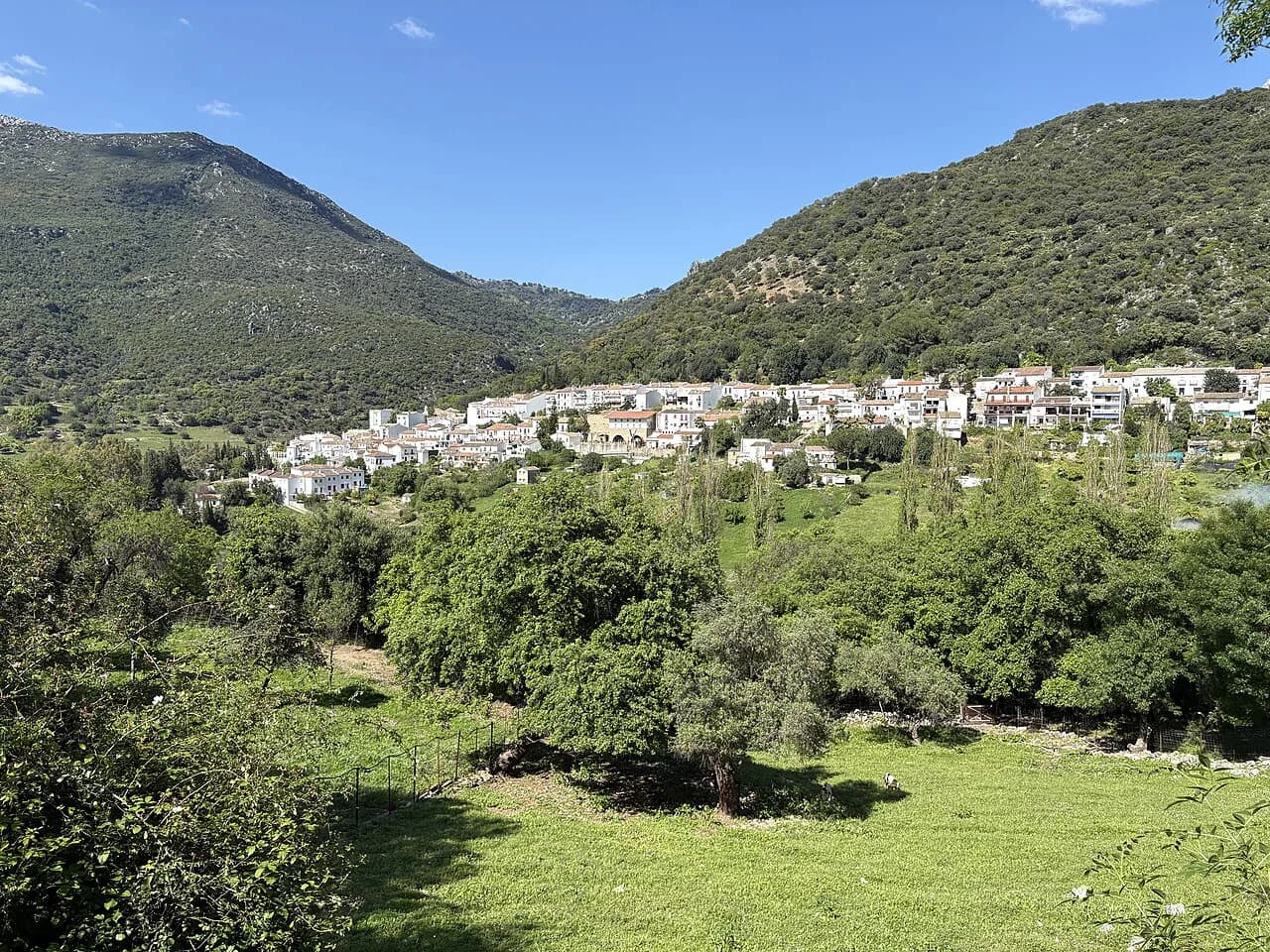
May opens up the rural side of Spain. Walking in the Sierra Nevada foothills, cycling through the vineyards of La Rioja and the white villages of Andalusia all work well before summer heat arrives. The Picos de Europa in Asturias and Cantabria are green and manageable, and the Camino de Santiago is at its busiest in the last two weeks of the month.
On the coast, beach clubs and seasonal restaurants are open by May on the Costa del Sol, Mallorca and Ibiza, though some still run reduced hours until early June. Boat trips run on regular schedules and the water gets more inviting as the month progresses. For specific ideas, see things to do in spain in may.
May is also a strong month for food travel. Valencia's market and the city's rice dishes, San Sebastián's pintxos bars, and the outdoor terraces of Seville and Málaga are all at their best, and the Basque city is a fine wet-weather alternative when the Mediterranean cloud builds. Seville's Feria and Córdoba's patios festival bring big crowds, so book around those weeks rather than during them.
Weather in June: Heat Building in the South, Near-Perfect in the North and Islands
June is the beginning of the end of spring. Seville reaches 32.2°C (90°F) with 317 sunshine hours and only 1.3 rain days, Málaga 28.1°C (83°F), Valencia 27.1°C (81°F) and Mallorca 28.1°C (83°F). Those are excellent beach temperatures in the south and Balearics, but Seville in particular becomes a city to visit in the morning and evening only.
Barcelona is comfortable rather than hot at 24.9°C (77°F), and the northern coast of Galicia, Asturias and the Basque Country is at its best in June, with long daylight hours and green landscapes. The Canaries keep their reliable warmth at around 25°C (77°F) with barely any rain, though the trade winds make some areas breezy.
June suits beach holidays, island hopping and anyone who wants warm evenings. It does not suit long city walks in Seville or Córdoba, and if heat is a concern the north or the Canaries are better choices. If you are planning around the end of the month, see spain in june for the shift into summer conditions.
Things to Do in June: The Season Opens Fully
By June everything is open: cable cars, boat trips, guided walks and mountain paths across Spain run on full summer schedules. The Costa Brava's coastal path, the Tramuntana range in Mallorca and the volcanic landscapes of Gran Canaria are all accessible and popular. Book accommodation and popular attractions in advance, since June is already high season in the islands.
June is also prime festival season in northern Spain, with street parties and music festivals in the Basque Country and Galicia. San Juan is celebrated on the night of 23 June in many coastal cities, with bonfires on the beaches in Barcelona, Alicante and Málaga, though exact local schedules vary and are worth confirming with the town hall.
For those wanting a walking or cycling trip, June rewards early starts. The Sierra de Guadarrama near Madrid and the Picos de Europa offer long, dry days with excellent light, while wine tourism in La Rioja and Ribera del Duero is at its liveliest.

Crowds and Prices: Easter, May Bank Holidays and Half Term
Spring crowding in Spain follows a predictable pattern. Easter week is the busiest period of the whole season, with Seville, Málaga, Granada and Valladolid filling up for processions and city breaks; hotel rates climb sharply and trains sell out. If Easter crowds are not what you want, travel in the two weeks after Easter rather than before or during it.
May brings British bank holidays and school half term, which concentrate demand on the coasts and islands. The first and last weeks of May are noticeably quieter than the bank holiday weekends, and the Canaries absorb crowds better than Mallorca or Ibiza. Rates rise through the month but stay below July and August levels, and our guide to Spain in May sets out the quieter windows.
June is where spring pricing starts to feel like summer, particularly in the Balearics. The first two weeks are calmer and cheaper than the last two, when Spanish schools break up and domestic tourism picks up. Fares and room rates are volatile, so compare your actual dates against the shoulder weeks rather than trusting a seasonal average.
The Honest Drawbacks: Cold Sea, Cool Evenings and the North's Rain
The sea is the single biggest misconception about spring in Spain. Mainland coastal waters stay cold through April and much of May, so swimming is only for the hardy until well into June, and even then the Atlantic coast is bracing. If swimming is central to your trip, plan for late June, with the Canaries and their warmer water the better early option.
Evenings in April are cool inland and in the Balearics: Palma drops to 7.4°C (45°F) on average, so a jacket is essential for dinner outside. This improves quickly through May in most of Spain, though the meseta plateau remains chilly at night well into June.
The north is wet in spring, and that is not a small detail: Galicia, Asturias and the Basque Country see frequent rain through April and May, with grey spells lasting days. The payoff is green countryside, quieter roads and good walking, but anyone expecting Mediterranean sunshine should look south or east instead.
There is also the risk of a late cold snap in March and early April, particularly on the meseta and in inland Andalusia, where nights can still touch freezing. That is not a reason to avoid spring, but it is a reason to pack a warm layer even for the south.
Should You Pick Spain or the Canary Islands in Spring?
If your priority is reliable warmth and sunshine in March or April, the Canaries win. Tenerife South averages 23.1°C (74°F) in April with 1.1 rain days, against Seville's 23.4°C but 6.1 rain days, and the islands' night-time temperatures stay around 16°C (61°F), keeping evenings usable. That reliability comes at the cost of variety: the islands offer volcanic landscapes and beaches but not the city culture and gastronomy of mainland Spain.
If you want cities, food, art and culture alongside warmth, mainland Spain from late April onwards is the better choice. Seville, Málaga and Valencia offer a richness the islands cannot match, and by May the weather is dependable. The trade-off is a higher chance of a wet spell and cooler evenings, especially early in the season, which is why the best time to visit Spain shifts with what you plan to do.
A combined trip works for longer holidays: a few days in Seville or Málaga followed by a week in the Canaries gives both. Flights between the mainland and the islands are frequent and reasonably priced outside Easter, making this an easy itinerary for a two-week trip.
Spain in Spring: The Verdict
For most travellers, May is the best month for Spain as a whole: warm, mostly dry, with long days and everything open, and without the heat of June in the south. April is better for city sightseeing and walking, especially in Andalusia, and March is best treated as a quiet city and countryside month rather than a beach one.
If you want guaranteed warmth early in the season, book the Canaries for March or April and save mainland Spain for late April onwards. If you want the full Spanish mix of cities, coast and food, aim for the second half of May or early June and accept that the sea will be cool for the first few days.
Whichever month you choose, check official government travel advice for entry requirements before booking and check any boat trips, guided visits or seasonal restaurant opening times directly with the companies concerned. The figures above are typical conditions from long-term normals, not forecasts, so treat them as a planning baseline rather than a guarantee.
Frequently Asked Questions
Is Spain warm in spring?
It depends heavily on where you go. In April, Seville averages a daytime high of 23.4°C (74°F) and Málaga 21.4°C (71°F), while Barcelona averages 18.0°C (64°F). The Canary Islands are the most dependable option early in the season, with Tenerife South averaging 23.1°C (74°F) in April and very little rain.
When is the best time to visit Spain in spring?
May is the strongest all-round month: the south and east are reliably warm, evenings become mild, and coastal businesses, boat trips and restaurants are fully open. April suits sightseeing and walking in Andalusia without summer heat, while March is better treated as a quiet city and countryside month. Early June works well for the northern coast and the islands.
Does it rain in Spain in spring?
The south and east see occasional showers rather than sustained rain. Seville records around six rain days in April, dropping to under four in May, and Málaga has roughly four and a half in April. The north — Galicia, Asturias and the Basque Country — is genuinely wet through April and May, with grey spells that can last several days.
Is Spain in April better than May?
Choose April if you want cooler walking weather, smaller crowds outside Easter week and lower rates in the coastal resorts before the season opens. Choose May if you want dependable warmth, long outdoor evenings and everything running on full schedules. The south is pleasant in both months; the difference matters most in Barcelona and the north, which are cool and showery in April.
Sources
Spring sun notes
Optional updates when we add destinations and months.
You might also like

Continue reading
More guides you'll find useful