Spain in May: How Warm It Is and Where to Go
Spain in May brings 27°C highs in Seville, warm Canary nights and cooler Barcelona. See where to go, what May feels like and which month suits you.
On this page
May is the first month in which most of Spain is genuinely warm rather than merely mild, and it does it without the punishing heat of high summer. Seville averages a 27.2 °C (81 °F) daytime high with 293 hours of sunshine and just 3.7 rain days, while Málaga reaches 24.3 °C (76 °F) with 292 sunshine hours. That combination of dry, bright and warm-but-not-hot makes May the best all-round month for a Spanish city break or a mixed coast-and-culture trip.
The catch is that May is not uniformly warm. Barcelona averages 21.1 °C (70 °F) by day and 12.8 °C (55 °F) at night with 4.7 rain days, so a Catalan city break can mean a light jacket and a shower rather than a sun lounger. The Canary Islands run the other way: Tenerife averages a 23.9 °C (75 °F) high but a 17.0 °C (63 °F) night with 0.3 rain days, which is what makes evenings there feel like summer rather than spring.
May Weather in Spain at a Glance
The figures below are long-term climate normals for 1981–2010 from AEMET, Spain's national weather service, measured at the airport or city station named. Treat them as the typical shape of the month, not a forecast: a given May can run several degrees either side. The spread between Seville's 27.2 °C (81 °F) and Barcelona's 21.1 °C (70 °F) is the single most useful number for planning, because it is the difference between a shorts-and-terrace holiday and a jacket-and-museum one.
Málaga sits mid-table at 24.3 °C (76 °F), Valencia at 23.4 °C (73 °F) and Ibiza at 22.7 °C (73 °F), with sunshine totals of 258 to 292 hours across the month. Rain days stay low almost everywhere on the Mediterranean side, from 3.1 in Málaga to 4.7 in Barcelona, and collapse to 0.3 in Tenerife and 0.3 in Gran Canaria.
Nights are the deciding factor that most guides skip. Seville drops to 14.2 °C (58 °F), Málaga to 14.2 °C (58 °F) and Barcelona to 12.8 °C (55 °F), which means dinner outdoors is pleasant but a cardigan is sensible after dark. The Canaries at 17.0 °C (63 °F) and 17.3 °C (63 °F) are the only places here where you can sit out late without thinking about it.
The Warm South: Seville, Málaga and Valencia
Seville is the standout city of the Spanish May for sightseeing, precisely because it is not yet the furnace it becomes in June. A 27.2 °C (81 °F) mean high with 293 sunshine hours is hot enough for the Alcázar gardens and the Plaza de España to feel Mediterranean, but cool enough to walk the Santa Cruz lanes in the middle of the day. June in Seville averages 32.2 °C (90 °F), so if the Andalusian capital is top of your list, May is the last comfortable month.
Málaga is the best all-round choice for a coast-and-culture week: 24.3 °C (76 °F) by day, 292 sunshine hours, 20 mm of rain across the month and 3.1 rain days. The Alcazaba, the old town and the Picasso museum work in the morning, and the evening walk along the port is warm enough to be pleasant. The Costa del Sol behind it is open for business in May, though beach clubs and seasonal chiringuitos often run reduced hours until the season formally starts, so it is worth ringing any specific venue you have your heart set on.
Valencia is the underrated pick at 23.4 °C (73 °F) and 258 sunshine hours: warmer than Barcelona, drier than the north, and a compact old town plus the Turia gardens to walk. The city station's figures run slightly cooler than the airport's, but the difference is small enough not to change your plans. Use it as a base for the Albufera lagoon and the Ciudad de las Artes rather than for beach-first days.
The Canary Islands: The Warmest Nights in Spain
If your priority is a proper summer feeling in May, the Canaries deliver it more reliably than the Mediterranean. Tenerife South averages 23.9 °C (75 °F) by day and 17.0 °C (63 °F) at night with 246 sunshine hours and 0.3 rain days across the month; Gran Canaria is near-identical at 23.6 °C (74 °F) and 17.3 °C (63 °F) with 272 sunshine hours and 0.3 rain days. Those night-time minima are the reason to choose the islands over Andalusia for a laze-outdoors trip rather than a sightseeing one.
The trade-off is that the islands are not sunny in every microclimate. Tenerife's north and the laurel forests of Anaga and Garajonay are cooler, cloudier and greener, which suits walkers but not sunbathers. Base yourself in the south for warmth and drive north for the Teide foothills or the Anaga ridges, and you get both without moving hotels.
For a fuller comparison of island options, including quieter picks away from the big resort strips, see where is warm in Europe in May. The Canaries are the only part of Spain where you can bank on warm evenings and near-zero rain in the same month.
The Balearics: Mallorca and Ibiza
Mallorca in May averages 23.7 °C (75 °F) by day and 11.3 °C (53 °F) at night, with 283 sunshine hours and 3.8 rain days. It is a lovely month for walking the Serra de Tramuntana, cycling the inland lanes and eating outdoors, but not yet a month of balmy evenings. The drop at night is the thing to factor in: a terrace dinner in Palma is pleasant but not t-shirt weather.
Ibiza is warmer at night than Mallorca, at 14.6 °C (58 °F) against 11.3 °C (53 °F), with 22.7 °C (73 °F) by day and 272 sunshine hours. That makes the smaller island better suited to lingering evenings in Ibiza Town and Santa Gertrudis. Both islands still run reduced hours on boat trips and some seasonal venues in May, so it pays to ring the boat company or venue directly before you build a day around one.
Barcelona and the Northern Coast: Cooler, Greener, Wetter
Barcelona in May averages 21.1 °C (70 °F) by day and 12.8 °C (55 °F) at night with 4.7 rain days and 47 mm of rain, the wettest of the majors here. That is not a reason to avoid it, but it is a reason to think of it as a city break rather than a sun holiday: museums, the Gothic Quarter, Montjuïc and the Sagrada Família all work well in these temperatures. The trade-off is that you may want a jacket, and the beach is more for strolling than settling in.
The same pattern applies along the Catalan and Cantabrian coasts, where May is greener and changeable but far from cold. San Sebastián and the Basque Country work for pintxos, coastal walks and the flysch, provided you accept a few wet days. If you want settled weather and a warmer sea, put the north later in the summer; if you want fewer crowds and good walking, May is a strong fit, and there is more in our things to do in Spain in May.
Early vs Late May, and How May Compares with April and June
May warms steadily across the month, but the data here is monthly, so the honest advice is to treat the first week as a hybrid of April and the last week as a hybrid of June. In Seville, April averages 23.4 °C (74 °F) and June 32.2 °C (90 °F), so a late-May visit is closer to summer than to spring. In Barcelona the same span is 18.0 °C (64 °F) to 24.9 °C (77 °F), which is a gentler glide.
Compared with April, May is meaningfully drier and warmer almost everywhere: Málaga goes from 21.4 °C (71 °F) in April to 24.3 °C (76 °F), and the rain halves from 44 mm to 20 mm. Compared with June, May is a clear step cooler in the south, where Seville jumps from 27.2 °C (81 °F) to 32.2 °C (90 °F) and Málaga from 24.3 °C (76 °F) to 28.1 °C (80 °F). For a trip that mixes walking and eating outdoors with city sightseeing, May is the best of the three.
If you are still weighing whether to travel earlier, Spain in April covers the cooler, cheaper version of the same itinerary. If you have already settled on May but want a wider shortlist across southern Europe, our guide to the warmest places in Europe in April shows how much the picture shifts month to month.
Is It Warm Enough for Lazing Outdoors and for Sightseeing?
For sightseeing, May is close to ideal almost everywhere: 21.1 °C (70 °F) in Barcelona and 23.4 °C (73 °F) in Valencia is walking weather, not endurance weather. Long days of 250 to 290 sunshine hours mean you can spread a city over a full day without retreating for a siesta. That is why May works so well for Seville, Córdoba or Granada, where June's 32 °C is genuinely uncomfortable in the afternoon.
For lazing outdoors, the test is the evening and the wind rather than the afternoon. Seville at 14.2 °C (58 °F) and Mallorca at 11.3 °C (53 °F) mean a light layer after sunset; Tenerife at 17.0 °C (63 °F) and Gran Canaria at 17.3 °C (63 °F) mean you stay out. Families with small children do better in the Canaries or the far south, where the gap between day and night is smallest.
Heat-seekers who want guaranteed high temperatures should look at inland Andalusia or the Canaries rather than the northern Mediterranean. June in Seville averages 32.2 °C (90 °F), which is too hot for most people to enjoy much before evening. If heat is the point, book later and further south; if you want to be active, May is the better month.
What Is Open in May
May sits at the point where Spain's seasonal tourism reopens but has not yet reached full summer rhythm. Ferries between the Balearic islands and boat trips along the coasts generally resume, but early May can still mean reduced sailings, so confirm the schedule with the ferry or boat company you intend to use. The same applies to seasonal beach clubs and rural restaurants, many of which open on their own timetable rather than a national one.
Public sites and major monuments run normal hours, and pre-season is one of the best times to see them without queues. The Alhambra, the Mezquita and the Sagrada Família are all timed-entry and worth booking ahead whatever the month. Swimming is a bonus rather than the plan in May, since the sea around most of Spain is still catching up with the air.
Things to Do in May That Suit the Weather
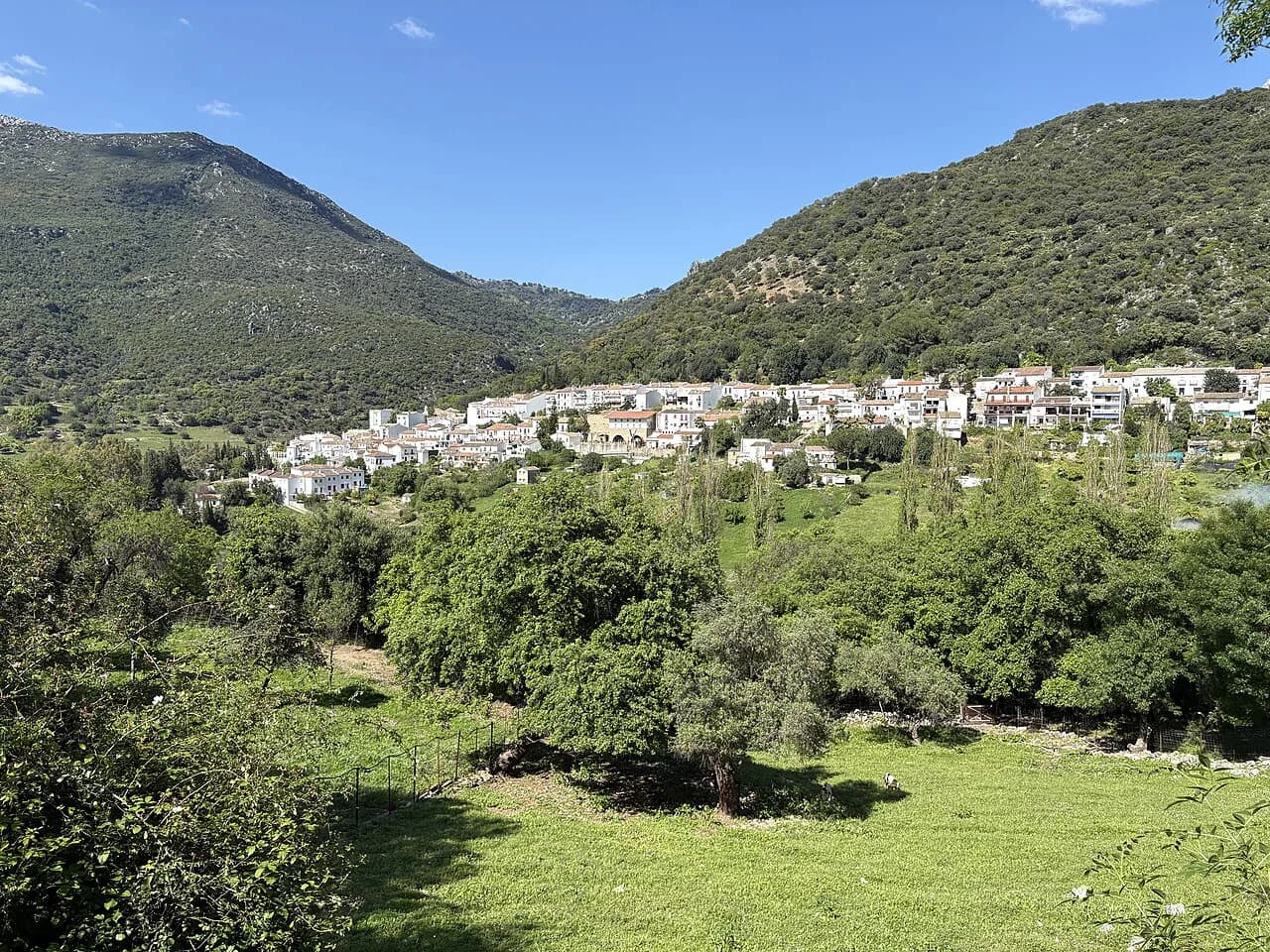
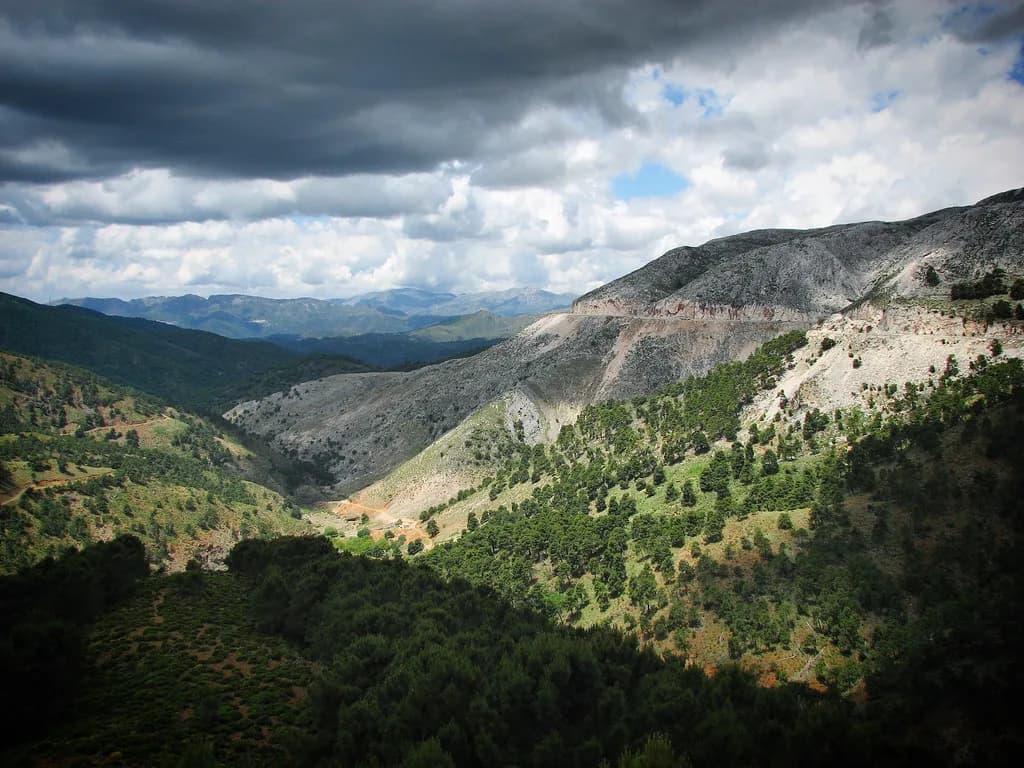
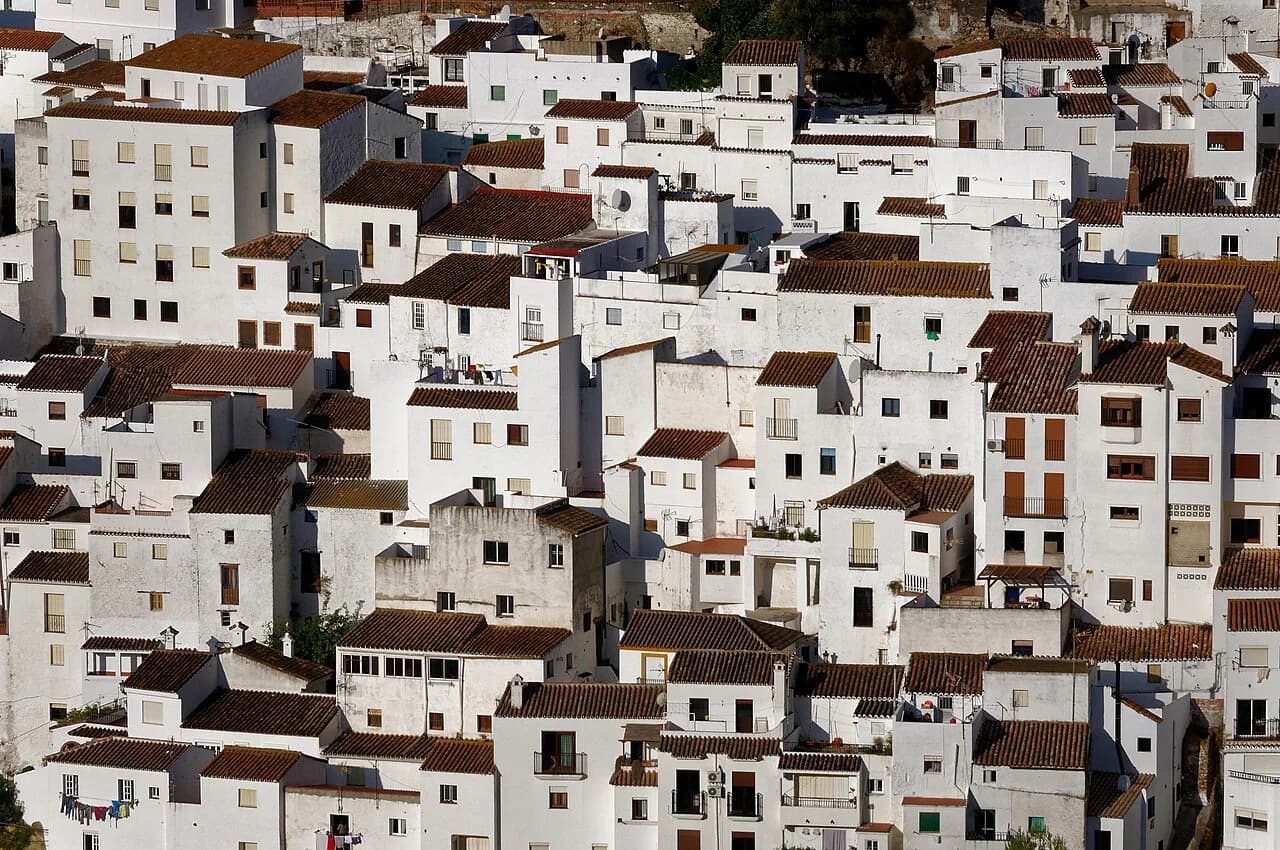
The weather in May rewards walking and landscape rather than beach time. The Serra de Tramuntana in Mallorca, the white villages of the Axarquía behind Málaga, the Alpujarras south of Granada and the cork-oak country of Extremadura are all at their best now: dry underfoot, green from spring rain, and cool enough to climb in. In the Canaries, the high routes around Teide and the Anaga ridges suit walkers who want warmth without heat.
City days work equally well. Seville's Alcázar and Judería, Valencia's old town and Turia gardens, and Barcelona's Gothic Quarter and Montjuïc are all comfortable at these temperatures. Málaga adds the Picasso museum and the Alcazaba, with the port and the old town in easy walking distance of each other.
Food is a genuine reason to pick May: it is the tail of the vegetable season and the start of the long evenings, so markets are full without the summer crowds. In Seville and Málaga, the tapeo and the seafood are at their best; in San Sebastián, the pintxos bars are busy but not yet overwhelmed.
Crowds and Prices
May is often described as shoulder season, but that label is too neat. The first week can still carry spillover from Easter travel, the UK bank holidays bring a sharp spike in city breaks, and half term pushes family destinations harder than the raw weather would suggest. If you can travel in the middle of the month, you will usually find the most comfortable balance of open venues and manageable crowds.
Rates generally sit below July and August but above April, and the difference between the quiet and busy weeks is often larger than the difference between months. Book timed-entry monuments and long-distance trains early, since those are the parts of a May trip where availability, not price, decides your plan.
Where to Go if You Want Guaranteed Heat in May
If warmth is non-negotiable, the Canary Islands are the safest bet: Tenerife at 23.9 °C (75 °F) and Gran Canaria at 23.6 °C (74 °F) by day with 17 °C (63 °F) nights and barely any rain, averaging 0.3 rain days on each island in May. The south of Tenerife and the southern coasts of Gran Canaria are the sunniest corners, while the north of each island stays cooler and cloudier.
Within mainland Spain, Seville and the Guadalquivir valley offer the highest daytime temperatures at 27.2 °C (81 °F), and inland Andalusia runs hotter still away from the coast. Málaga and the Costa del Sol are the most reliable combination of warmth and sea air, while Barcelona and the north remain a gamble. If you are looking at the wider Mediterranean, the same logic applies: go south and east, or go to the islands.
The Verdict: Who Should Pick May, and Who Should Wait for June
Choose May if you want to walk, sightsee and eat outdoors without heat stress, and if a light jacket in the evening is an acceptable price for smaller crowds and open monuments. Seville, Málaga and Valencia are the strongest mainland picks; Tenerife and Gran Canaria are the strongest overall if evening warmth matters most.
Wait for June if you want reliable beach weather and warm nights in mainland Spain, or if your trip is built around swimming. June in Málaga averages 28.1 °C (80 °F) with 329 sunshine hours and 0.8 rain days, a distinctly different proposition from May. For a straight comparison of the two months, see Spain in June, and for the wider picture of where May delivers heat across southern Europe, start with where is warm in Europe in May.
Plan Your May Trip
May is the month when Spain stops being a gamble. The south is warm and dry, the islands are reliably sunny, and the cities are comfortable for walking rather than endurance. The main decision is whether you want the warmest possible evenings, which points to the Canaries, or the best balance of culture and weather, which points to Seville, Málaga or Valencia.
For entry rules, the UK government's Spain travel advice page is the official source, and it is the only place you need to look. For everything else, the figures above should be enough to choose a month and a region; the rest is booking the monuments and trains you actually want.
More Spain spring guides
Frequently Asked Questions
Is May a good month to visit Spain?
Yes, for most kinds of trip. Seville averages a daytime high of about 27 °C (81 °F) with 293 hours of sunshine and only 3.7 rain days in May, and Málaga is close behind at around 24 °C (76 °F). It is warm enough for long days of walking and eating outside, without the heat that makes inland Andalusia hard work in June.
Which part of Spain is hottest in May?
Of the cities with published climate normals, Seville is warmest by day at about 27 °C (81 °F), with inland Andalusia typically hotter still. The Canary Islands are cooler by day at roughly 24 °C (75 °F) but far warmer at night, around 17 °C (63 °F), so they feel more like summer overall.
Is Barcelona warm in May?
Barcelona averages about 21 °C (70 °F) by day and 13 °C (55 °F) at night in May, with roughly 4.7 rain days. That is comfortable for sightseeing and the beachfront, but it is a city-break month rather than a guaranteed sun holiday, and evenings still call for a layer.
Should I choose May or June for Spain?
Pick May for sightseeing, walking and mixed coast-and-city trips, when the south is warm rather than hot and monuments are quieter. Pick June if you want warm evenings and reliable beach weather on the mainland, accepting that Seville climbs to around 32 °C (90 °F) and Málaga to about 28 °C (80 °F).
Sources
- Seville climate normals (AEMET, Seville Airport (AEMET 5783))
- Málaga climate normals (AEMET, Malaga Airport (AEMET 6155A))
- Valencia climate normals (AEMET, Valencia city (AEMET 8416))
- Barcelona climate normals (AEMET, Barcelona Airport, El Prat (AEMET 0076))
- Mallorca climate normals (AEMET, Palma de Mallorca Airport (AEMET B278))
- Ibiza climate normals (AEMET, Ibiza Airport (AEMET B954))
- Tenerife climate normals (AEMET, Tenerife South Airport (AEMET C429I))
- Gran Canaria climate normals (AEMET, Gran Canaria Airport (AEMET C649I))
Spring sun notes
Optional updates when we add destinations and months.
You might also like


Continue reading
More guides you'll find useful