Lake Garda in Spring: Weather, Crowds and What to Do
Lake Garda in spring brings 19°C highs in April rising to 28°C by June, with mild sunny days and quiet shores. Here is what each month really feels like.
On this page
Spring is the right season for Lake Garda if you want to walk, cycle and wander lakeside towns in comfortable temperatures rather than lie on a beach. Average daytime highs climb from about 19°C (66°F) in April to 24°C (75°F) in May and 28°C (82°F) in June on the southern shore, but nights stay cool and the water lags far behind.
The lake wakes up slowly: castles, gardens and the big estates take spring visitors, while ferry services, boat trips and lakeside restaurants ramp up as the season progresses. If your priority is sunshine and open water, look at our guide to the best time to visit Lake Garda, because June and September behave quite differently from April.
Spring on Lake Garda: mild days, cool evenings, a slow start
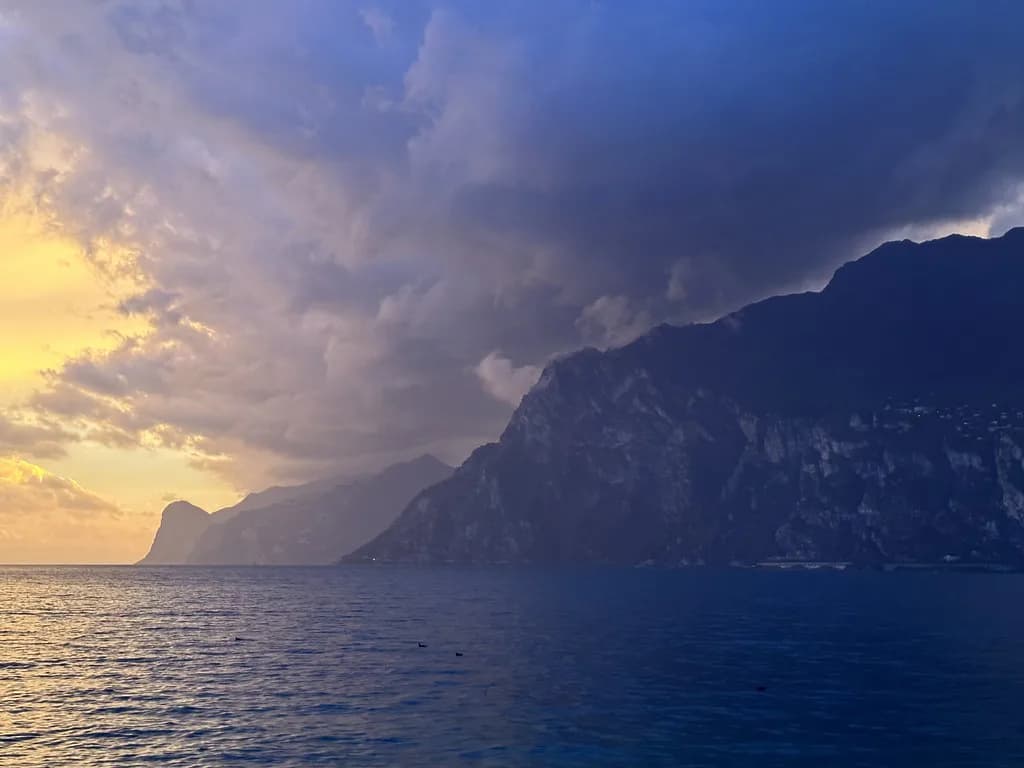
Lake Garda sits at the foot of the Alps across Lombardy, Veneto and Trentino-Alto Adige, and that geography defines spring. Days warm quickly once the sun is out, but evenings cool sharply and the northern end of the lake is noticeably fresher than Sirmione, Desenzano or Peschiera in the south.
Spring is also the season when the lake's famous winds are at their most reliable, which is good news for windsurfers around Torbole and Riva del Garda and less good if you had imagined still, balmy afternoons. Build some flexibility into your plans rather than a rigid daily schedule, and keep a layer for the evening.
Weather in spring: April, May and June by the numbers
The long-term normals for 1991-2020 at Verona Villafranca, the reference station for the southern lake, give a clear picture. April averages a high of 18.65°C (65.6°F) and a low of 7.58°C (45.6°F), with 185.96 hours of sunshine, 8.56 rain days and 66.04 mm of precipitation across the month. Our guide to Lake Garda in april covers this in depth.
May steps up to an average high of 23.98°C (75.2°F) and a low of 12.52°C (54.5°F), with 241.03 sunshine hours, 7.73 rain days and 71.33 mm of rain. June reaches 28.09°C (82.6°F) by day and 16.88°C (62.4°F) at night, with 261.15 sunshine hours, 7.83 rain days and 70.72 mm.
Read those figures as typical conditions, not promises: rainfall totals stay fairly steady from April to June, but rain arrives in fewer, heavier spells as the season advances, and sunshine hours rise by roughly 40 per cent between April and June. March is best described in words rather than numbers here, because it behaves like a colder, less predictable version of April.
April on Lake Garda: warm enough for what?
April is a sightseeing month, not a sunbathing one. At around 18°C in the afternoon, a castle visit, a lakeside walk or a garden wander is genuinely pleasant, but a picnic on a breezy jetty or an afternoon by the water without a jacket rarely is.
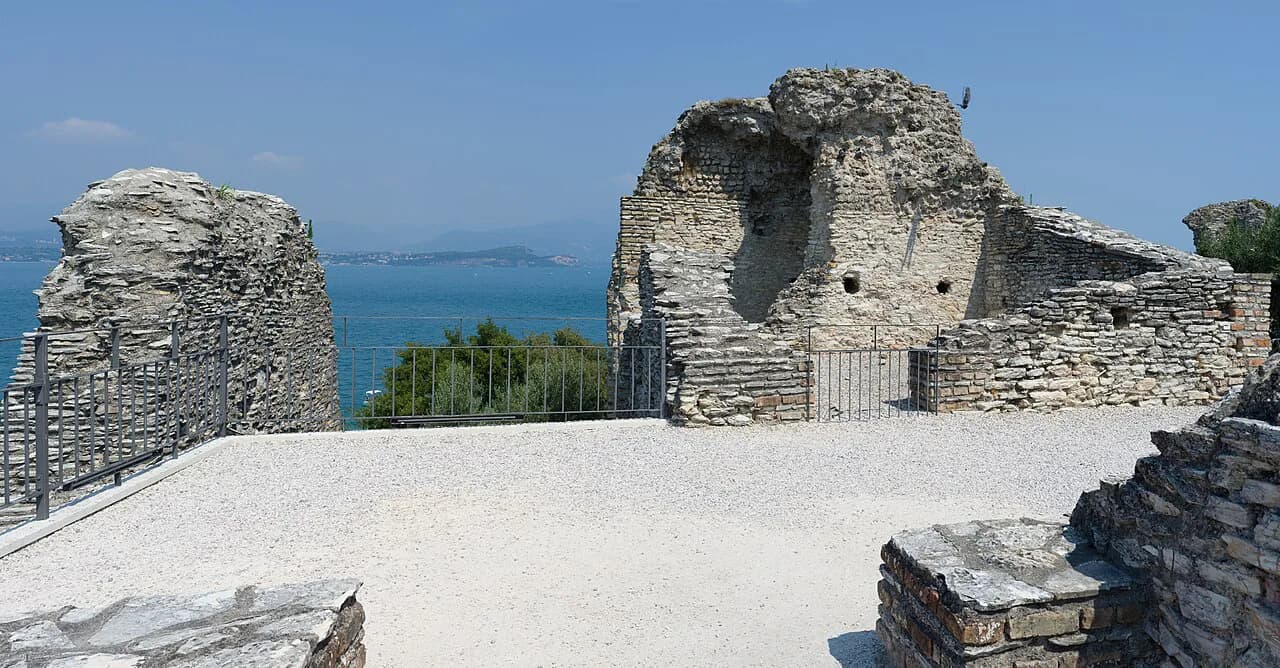
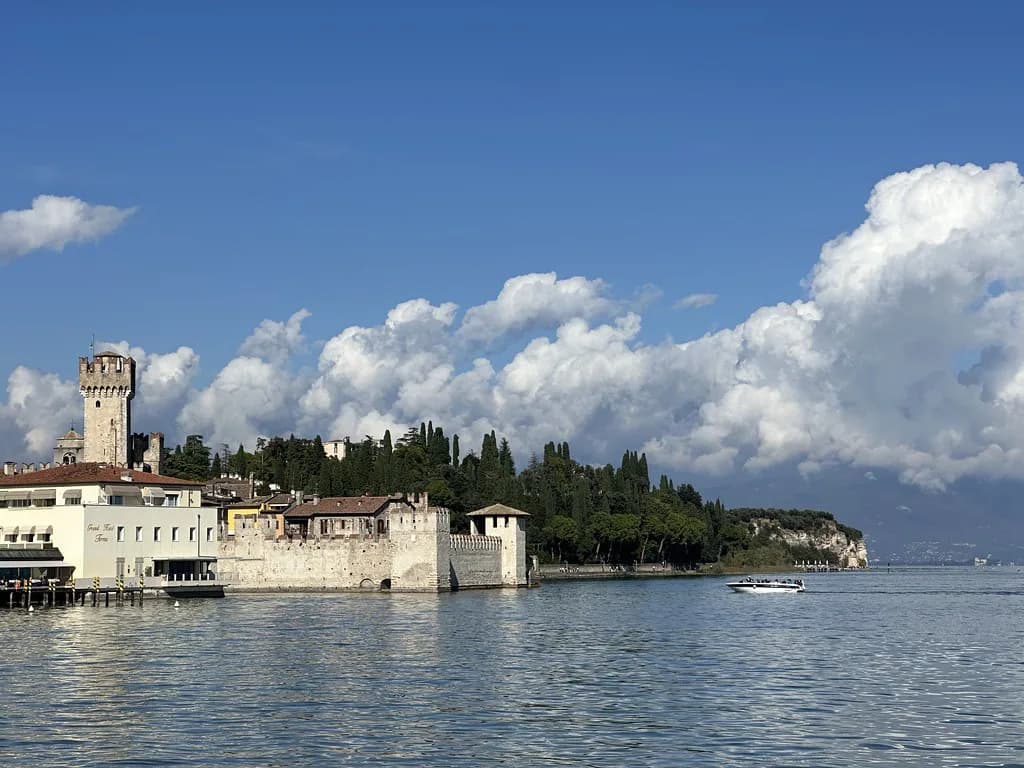
The bigger constraint is the water. The lake remains cold through spring, so treat swimming as something for the hardy and plan around the shore instead: the Grotte di Catullo at the tip of Sirmione and the Castello Scaligero are the classic April pair, best done before the day-trippers arrive. For a fuller list, see things to do in Lake Garda in April.
Easter moves around the calendar, so some Aprils bring a busy holiday weekend and others stay quiet until the end of the month. If you are weighing other Mediterranean options, Europe's warmest spots in April shows where you would gain several degrees of warmth for the same dates.
May: the sweet spot for walking and sightseeing
May is the month to choose if you want long days outdoors without summer heat. Highs near 24°C, lows around 12°C and well over 200 hours of sunshine make the ridge walks above the lake, the Rocca di Manerba and the terraces at Tremosine comfortable rather than punishing.
This is also when the season properly opens: ferries, boat trips and lakeside restaurants settle into fuller operation, and the lemon houses at Limone sul Garda become a natural half-day stop on a sunny morning. Build a plan around a couple of long walks and one boat crossing, and leave room for weather that turns.
June: early summer arrives
June looks and feels like summer: average highs above 28°C, nights around 17°C and the most sunshine of any spring month. It is the first month when you can comfortably spend whole days outdoors, but it is also when the first real heat builds and the lake's popular towns fill up.
Head north for relief. Riva del Garda and Torbole sit where the lake narrows beneath the mountains, with breezier afternoons and easier access to higher ground; the cable car up Monte Baldo from Malcesine is the obvious way to trade a hot lakeside afternoon for cooler air.
Early vs late spring
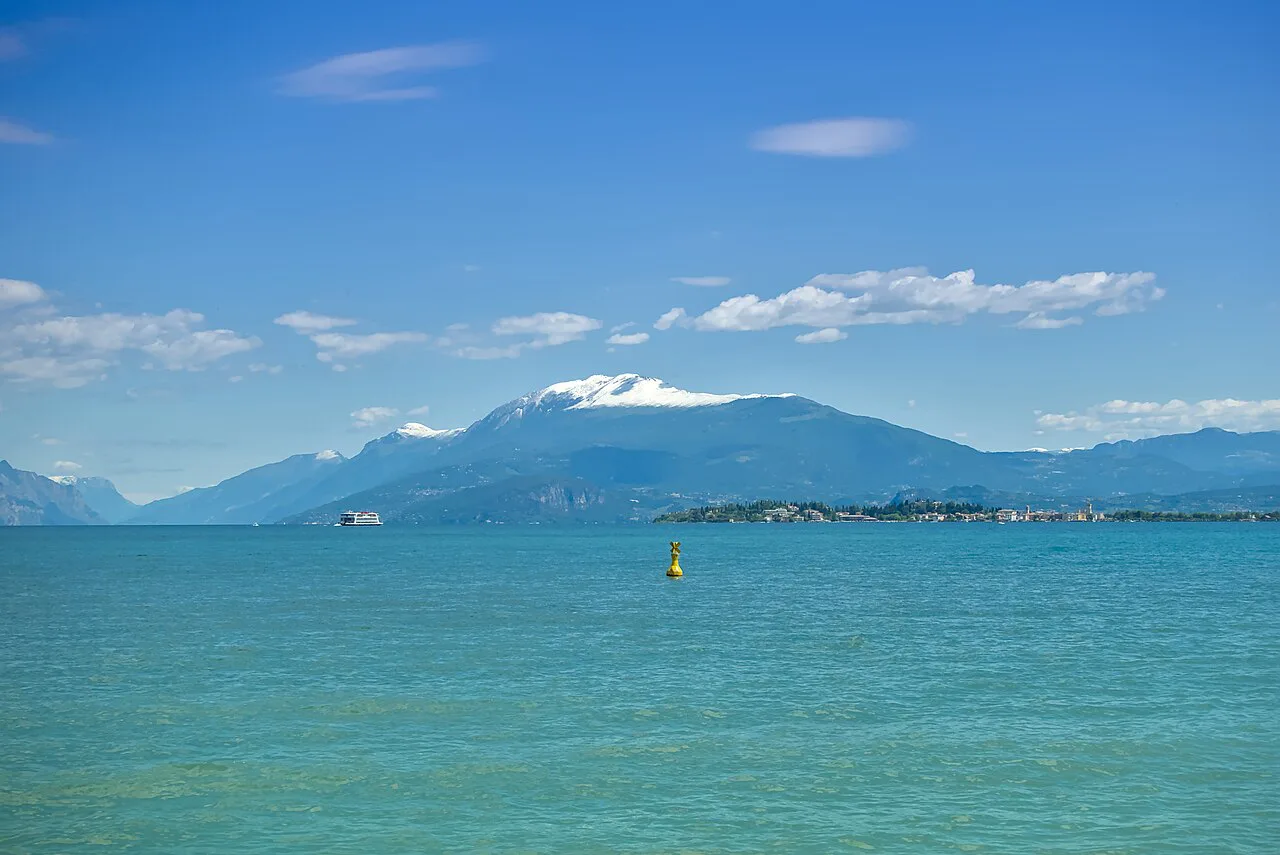
The difference between early March and late June is close to a full season. Early spring gives you empty villages, easy parking and restaurants running reduced opening, plus a real chance of rain and genuinely cold evenings. Late spring gives you long, warm days, everything open and a much busier shoreline.
The crossover point is roughly mid-to-late May, when the weather stabilises, the ferries are running properly and the season's staff are in place. If you are choosing dates rather than a month, aim for the second half of May: you get most of June's warmth with a good deal more space.
What is open: boats, gardens, castles and lakeside towns
The lake's headline sights are spring-friendly. Sirmione's Roman villa and castle, the Vittoriale degli Italiani at Gardone Riviera, the André Heller Botanical Garden, the Rocca di Lonato and the Tower of San Martino della Battaglia all make sense in spring weather, and several are at their best before the summer crowds.
For the variable elements, check current details on the day you plan to travel. Timetables and admission arrangements for the ferries, the Malcesine cable car and individual gardens change with the season; the Visit Brescia listings and each site's own page are the places to look before you commit to a particular day.
Allow for the fact that spring is a shoulder season for the tourist economy, so some lakeside restaurants and smaller attractions run shorter hours until the season is fully under way. Staying flexible about where you eat in the evening, rather than fixing on one specific address, saves frustration.
Things to do in spring: Sirmione, Tremosine, Manerba, Gardone and Limone
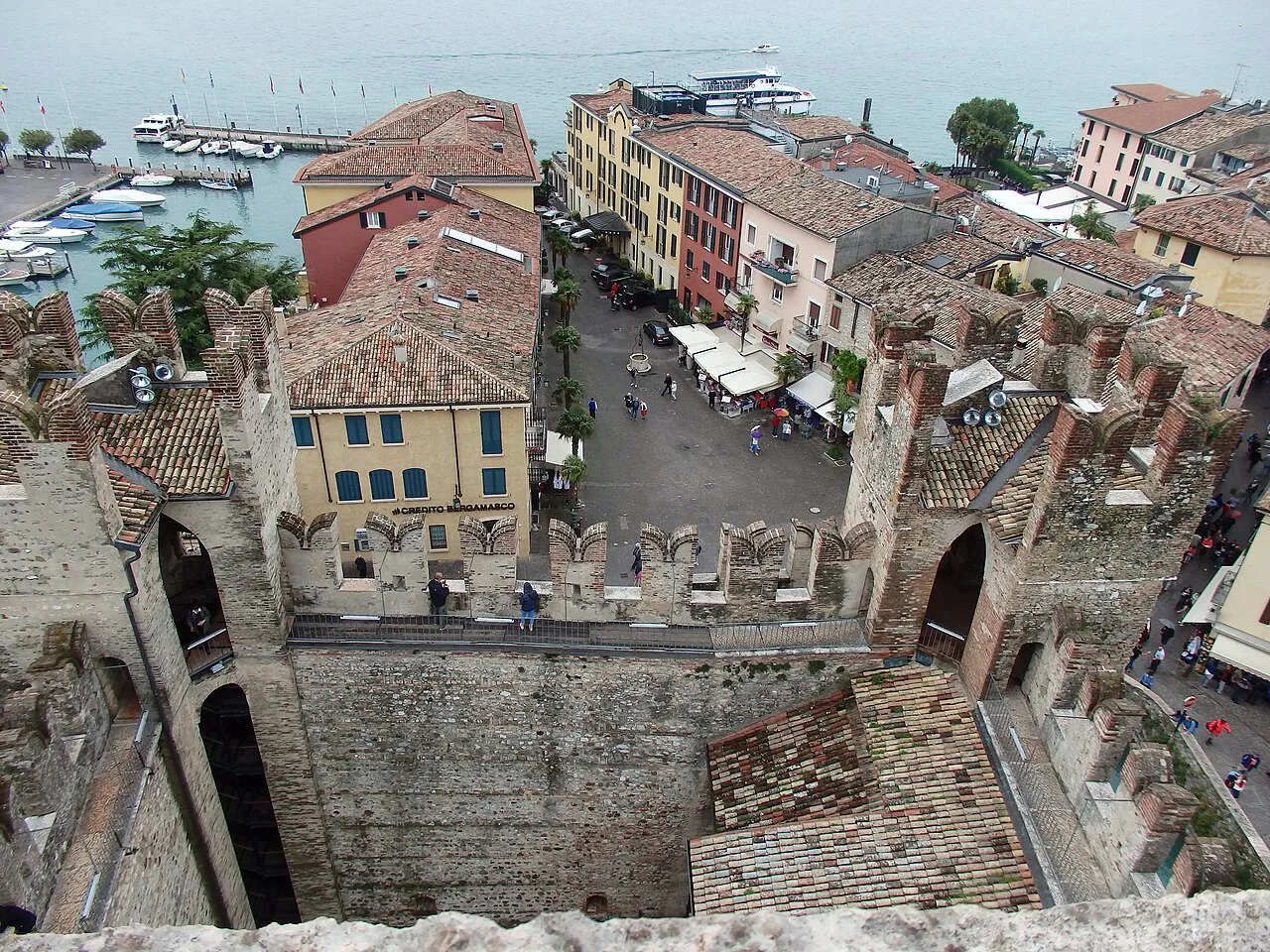
Start with Sirmione, the peninsula that carries the lake's densest concentration of history: the Grotte di Catullo at its very tip, the Castello Scaligero surrounded by water and the lakeside walks in between. It is also the most crowded single spot on the lake, so go early in the day.
Then go high. The village of Tremosine is reached by the Strada della Forra, a road carved through the rock above the Bras stream, and the Terrazza del Brivido gives the sheerest view over the water; try the local Formaggella di Tremosine while you are there. The Rocca di Manerba, with its castle ruins above the lake, is the best spring walk for wildflowers and olive groves.
On the western shore, Gardone Riviera combines the Vittoriale with the Heller Garden and the lakeside promenade, while Limone sul Garda's limonaie show how lemon trees were protected from the lake's northern winds. A Pirlo, the Brescian aperitivo, fits a mild spring afternoon in Salò, Toscolano Maderno or Manerba perfectly.
If you want the lake's activities rather than its views, see things to do in Lake Garda in June for higher-season options such as the Monte Baldo cable car and the boat trip to Garda Island. The looser itinerary in our guide to where to spend your time around Lake Garda's towns is useful for stringing these together.
Spring food and drink on the lake
Spring eating on Lake Garda is about lake fish, olive oil from the western shore, and the Bardolino and Valtenesi wines from the surrounding hills. Trout and other freshwater fish from the lake appear on menus through the season, and the vineyards above Bardolino and Salò are worth a stop for a tasting.
The local aperitivo culture is the season's quiet pleasure. In Salò and the smaller western villages such as Padenghe and Moniga, a table overlooking the water in the late afternoon sun is a better use of an hour than another museum, and it is the kind of thing that works far better in May than in high summer.
Crowds and prices in spring
Spring is cheaper and quieter than summer on Lake Garda, but the season has its spikes. Easter weekend, the early May bank holidays and the UK and Italian half-term weeks bring noticeable pressure to Sirmione, Malcesine and the lakeshore towns, with accommodation rates rising accordingly; outside those windows, the lake feels relaxed.
Prices ease again once school holidays end and before the main summer season begins. Rather than chasing a specific figure, compare your own dates across a few properties and look at the weeks either side of the holidays, where value usually lies.
Honest drawbacks: wind, rain, cold water, cool nights
The lake's wind is the thing most first-time spring visitors underestimate. It shapes the northern end in particular, cooling afternoons and chopping up the water, and it is exactly why windsurfers love Riva del Garda and Torbole. Treat a still, glassy lake as a bonus rather than a given.
Rain falls on fewer days than in autumn, but spring downpours can be heavy and can close a mountain road or cancel a boat crossing for a morning. Cold water and cool evenings are the other real limits: this is not the season for swimming or for eating dinner outside without a layer.
April or May? Which month to pick
Choose April for quiet shores, lower prices and a genuinely uncrowded Sirmione, accepting cool starts and a real chance of rain. Choose May for the best overall balance: longer, warmer days, everything open and still-tolerable crowds, especially before the half-term break.
If your trip depends on outdoor activity, make it May. If it depends on value and atmosphere, make it April and treat the weather as a movable feast, swapping a planned walk for a castle or a spa visit when the rain sets in.
Spring or early autumn?
September offers the same comfortable temperatures as May, with warmer water after a full summer and smaller crowds than June. If swimming matters to you, early autumn wins comfortably; the lake has had months of sun by then, whereas in spring it is still cold from winter.
Spring wins on freshness: greener hillsides, wildflowers on the Rocca di Manerba, gardens at their best and a lake that feels unhurried. If you have already seen the lake in summer, spring is the version that will surprise you.
The verdict
Lake Garda in spring is a walking and sightseeing destination first and a sun-and-swim destination second. May is the month that satisfies the most people: warm enough for long days outdoors, quiet enough to enjoy them, with the season's boats, gardens and restaurants open.
April beats it on value and space but tests your patience with the weather; June delivers real heat and a busier shoreline. If you want guaranteed warmth and easy swimming, look further south, and compare the alternatives in our where-is-warm guide before you fix your dates.
More Lake Garda spring guides
Frequently Asked Questions
Is it worth going to Lake Garda in April?
Yes, if your priority is sightseeing, walking and quiet towns rather than sunbathing. Afternoon highs average around 19°C on the southern lake, which is comfortable for castles, gardens and lakeside strolls, but evenings are cool and the water is still cold. Expect a few wet days and a chance of rain, and plan flexible days around one or two headline sights.
What is the best month to visit Lake Garda in spring?
May is the strongest all-round month. Days are warm without summer heat, sunshine hours climb steeply, most lake services are running properly and the crowds have not yet reached summer levels. April suits you better if you want low prices and empty villages and do not mind cooler, wetter days, while June brings the first real heat.
Is it worth visiting Lake Garda in March?
March is the least reliable spring month on the lake. It behaves like a colder, more changeable version of April, with empty villages and low prices as the main compensation. If you travel then, build your days around indoor or sheltered options and treat the weather as unpredictable rather than planning long mountain walks.
How cold is Lake Garda in April?
Expect average daytime highs around 19°C and night-time lows around 8°C, with about 9 rain days in the month. It is mild rather than warm: fine for walking in a jacket, not for sitting on a beach all afternoon. The lake water itself stays cold from winter, so most visitors wait until later in the season to swim.
Will restaurants and attractions be open on Lake Garda in spring?
The main sights and lakeside towns operate through spring, but some restaurants and smaller attractions run shorter hours until the season is fully under way. Ferries and boat trips ramp up as the season progresses. Check opening times for the day you plan to visit.
Is Lake Garda warm in June?
Yes. Average daytime highs reach about 28°C on the southern lake, with nights around 17°C and the most sunshine of any spring month. It is the first month that feels like summer, but heat builds and the popular towns get busier, so head north to Riva del Garda or up Monte Baldo if you want cooler air.
Sources
Spring sun notes
Optional updates when we add destinations and months.
You might also like
Continue reading
More guides you'll find useful