Things to Do on the Amalfi Coast in June: 14 Best Ideas
June on the Amalfi Coast brings 27°C highs, warm sea and long evenings. Here are the best things to do, from the Path of the Gods to Ravello's villas.
On this page
June is the first month the Amalfi Coast feels like a summer destination rather than a gamble. Average highs reach 27°C (81°F), nights hold around 20°C (68°F), and the sea averages 23°C (73°F), warm enough for most people to stay in for more than a toe-dip. Rain chances drop to roughly one day in ten, and you get around 15 hours of daylight to spend on it all.
That shifts what is worth doing. In April and May the walks and villages carry the trip; by June the water, the boats and the long sunset hours pull their weight too, and hiking has to be pushed to the morning before the heat builds. The trade-offs are real as well: the first summer weekends get busy, and prices on the coast climb. If you are still weighing earlier months, our guides to the Amalfi Coast in April and the Amalfi Coast in May set out cooler, quieter versions of the same trip.
Why June is the month the coast fully opens
June is when the coast stops hedging. Beaches fill with bathers from the start of the month, boats and yachts run the length of the shoreline, and the whole place takes on a holiday mood. That is a change from spring, when you can have a viewpoint to yourself and the sea is bracing.
The gains are practical: the sea average of 23°C (73°F) makes a swim a pleasure rather than an endurance test, and the long evenings mean dinner can follow a late boat trip. The cost is that everything happens at once, so a village you might have strolled in May is now a queue at midday. June rewards early starts and a loose plan.
Weather in June
Typical June conditions on the coast are an average high of 27°C (81°F) and an average low of 20°C (68°F), with a 10% chance of rain and about 15 hours of daylight. The sea averages 23°C (73°F), which is the figure that matters most for June: it means swimming, snorkelling and boat days are genuinely on the table rather than a quick shock.
Afternoons heat up without the oppression of July and August, and some rain can still fall early in the month, so a wet morning in the first week is normal rather than a disaster. Treat these as typical conditions and not a forecast, and remember that the coast is vertical: a village at sea level and Ravello, high above it, feel different on the same day.
Early vs late June: crowds, sea warmth and the first summer weekends
Early June gives you most of the warmth with a little more breathing room, especially midweek. The first summer weekends are when the coast visibly fills, and the crowd pressure builds through the month; if you can travel in the opening week, the villages and the boats are easier.
The sea warms through steadily, so late June is the better bet if swimming is the point of the trip. Late June also means the evenings are at their longest, with sunset late enough that a boat trip can end and dinner still follow comfortably. Choose early June for quieter villages, late June for water and evenings.
Hike the Path of the Gods from Agerola to Nocelle
The Path of the Gods is the coast's signature walk, an ancient mountain route that runs from the hamlet of Bomerano in Agerola to Nocelle above Positano, with the sea laid out below the whole way. In June the heat is the deciding factor: start early in the morning, as walkers do to dodge the midday sun, and carry more water than the distance suggests.
Routes vary in length by where you start and finish, so plan the return before you set off. The stretch above Praiano toward Nocelle gives the classic view of Positano's cliffs, and finishing in Nocelle means stairs or a local bus down to the village. It is a proper half-day, not a stroll between villages.
Walk the Sentiero dei Limoni between Maiori and Minori
The Path of the Lemons is the gentle alternative to the high-level hikes, a roughly two-kilometre route linking Maiori and Minori through terraced lemon groves. It climbs over a hill about 100 metres high, which is the hardest part, and the surface is mostly paved, so it suits families and anyone who wants lemon groves and sea views without a full mountain day.
Start beside the church in Maiori and finish in Minori, where you can pick up a pastry before walking or bussing back along the coast road. Around the halfway point, lemon farms sell granita and lemonade under the trees, which in June is exactly the right pause. Go in the morning; the terraces trap heat later on.
Ravello: Villa Cimbrone's Terrace of Infinity and Villa Rufolo
Ravello sits high enough above the coast that June's heat feels softer, and its two garden villas are the reason most people make the climb. Villa Cimbrone's gardens end at the Terrace of Infinity, lined with marble busts above the sea, while Villa Rufolo, the garden that inspired Wagner, gives the postcard view back over the coastline.
Both villas charge admission and keep their own hours, so build the day around what is open when you arrive. June here is best in the late afternoon, when the light softens and the tour groups thin. Our guide to the Amalfi Coast in April covers the same villas in a much quieter season if you want the contrast.
Ravello itself rewards an hour of wandering between the villas, and lunch with a view is the obvious way to break up the day. Book a table rather than hoping, particularly at weekends, when the village is at its busiest.
Amalfi town: the cathedral staircase, the Paper Museum and a limoncello workshop
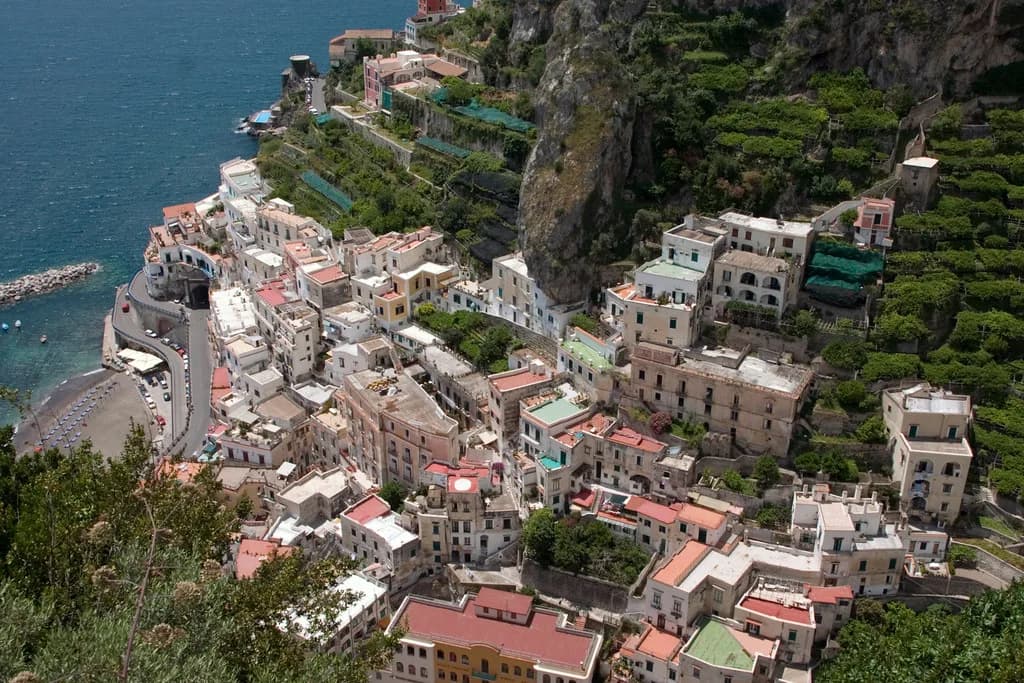
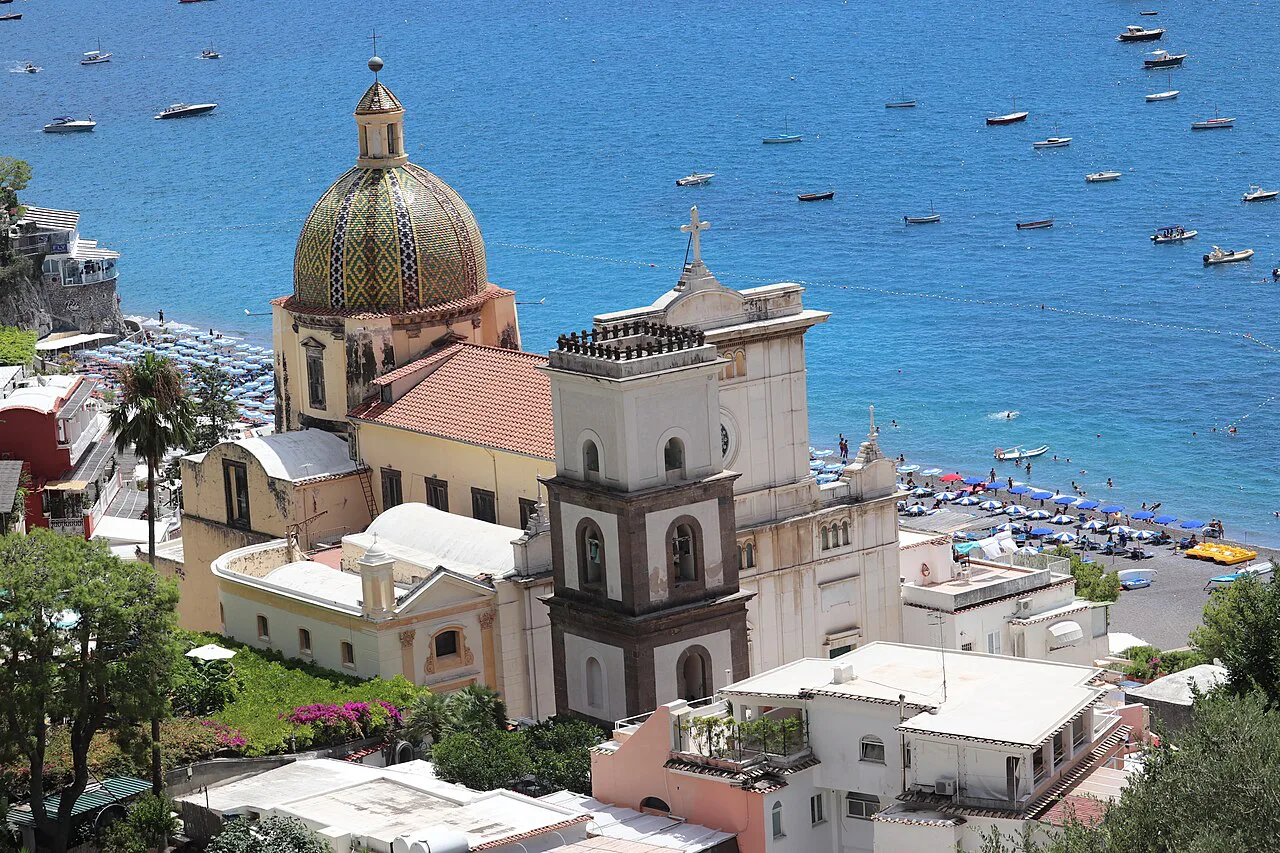
Amalfi's cathedral, the Duomo di Sant'Andrea, is the coast's great set piece, with a striped facade and a wide staircase up from Piazza del Duomo. It gets crowded through the day, so arriving in the morning is the difference between seeing it and queuing for it. The Paper Museum nearby covers the town's centuries-old papermaking trade, which made Amalfi's name long before tourism did.
For something edible, head to Antichi Sapori d'Amalfi, a family limoncello workshop a few steps from the main square, where you can see the lemons peeled and left to steep in big glass jars and taste the results. It is a short, cheerful visit that works well in the heat of the afternoon.
Pair Amalfi town with something else rather than giving it a whole day. The centre is small, and unless you are shopping or booking excursions, an afternoon covers it comfortably.
Positano: Spiaggia Grande and the Fornillo alternative
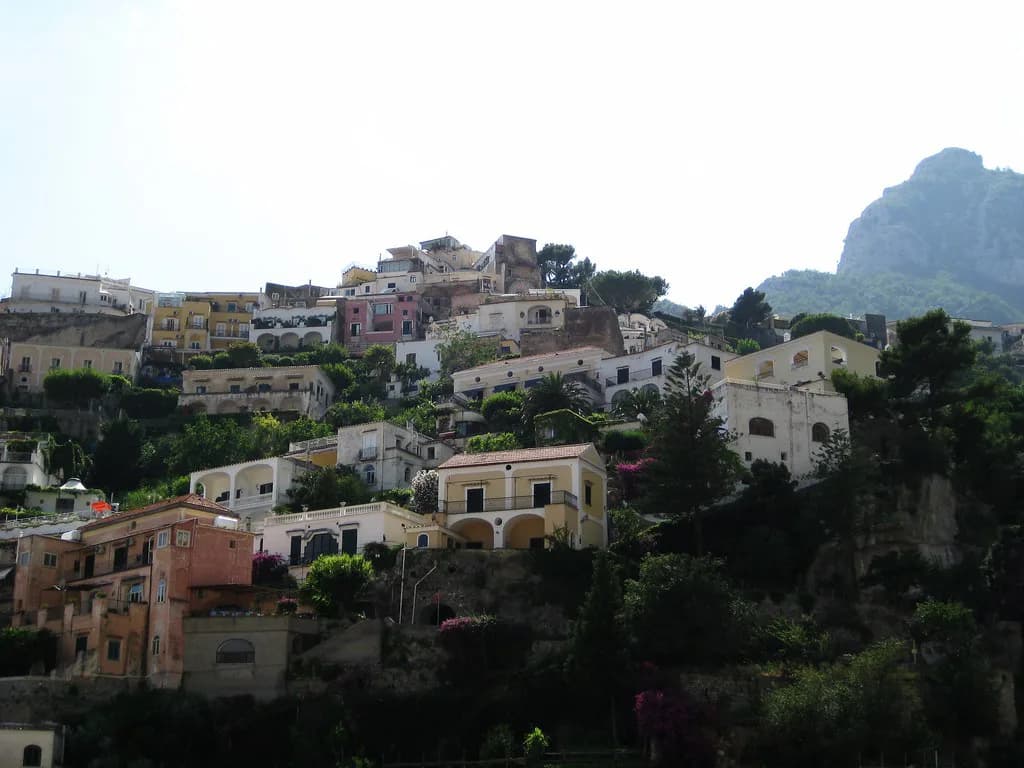
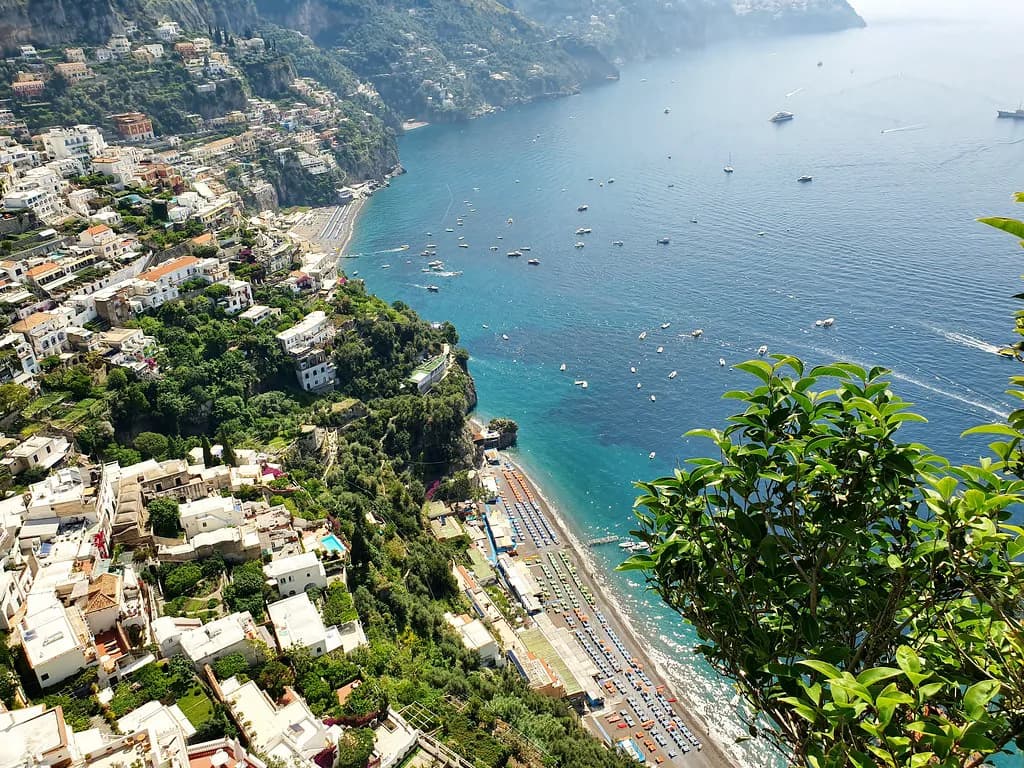
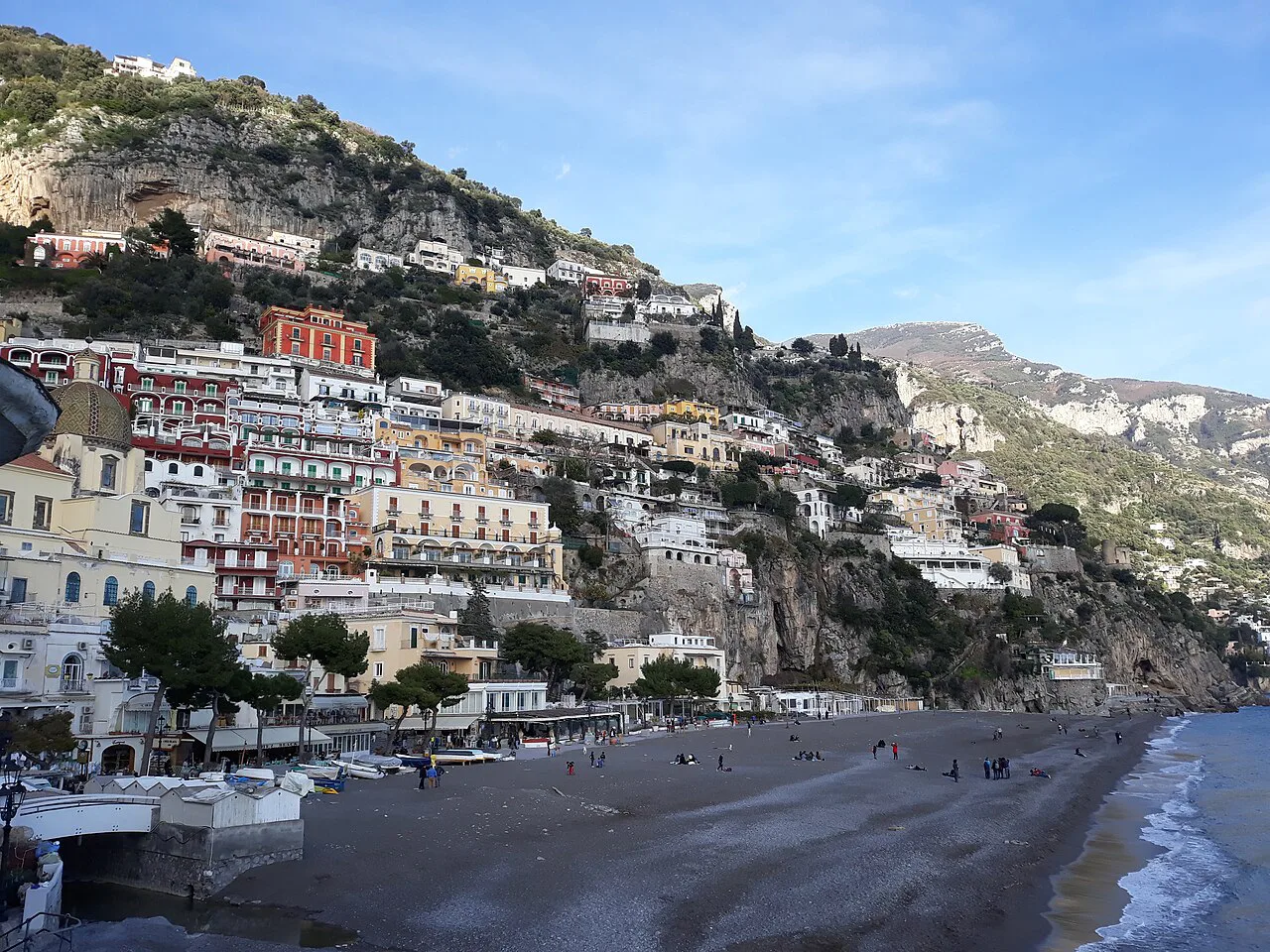
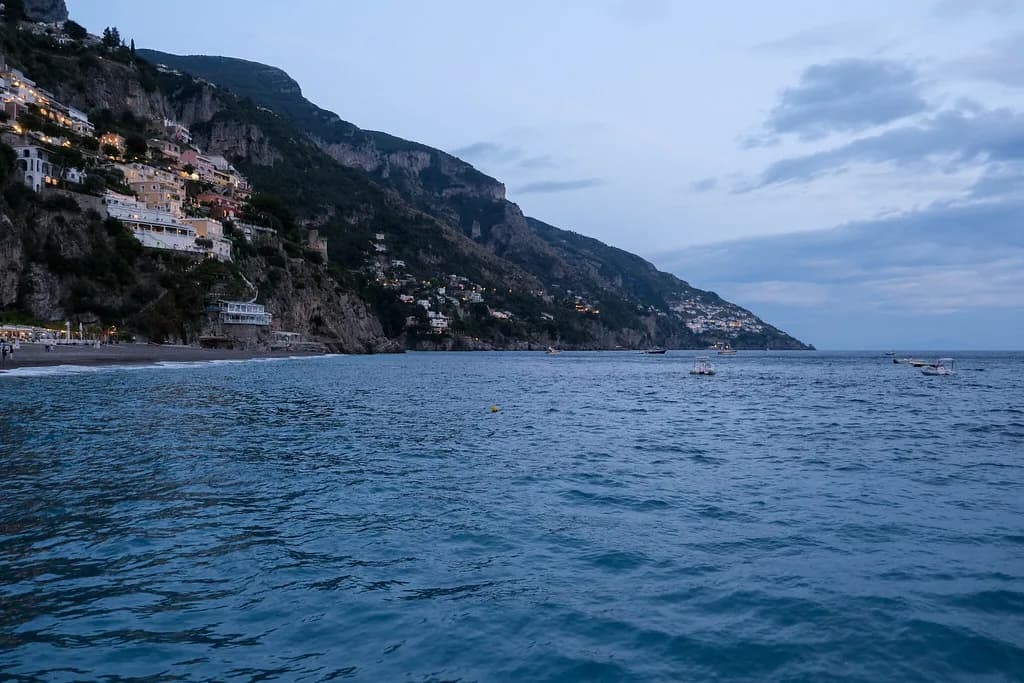
Positano's Spiaggia Grande is the image you already know, a curve of umbrellas under stacked pastel houses, and in June it is at its best for a swim and a long sit. Part of the beach is a paid concession with chairs and umbrellas, and a smaller section stays free, so arrive early to claim space.
If Spiaggia Grande feels too much like a crowd, Fornillo, a short walk around the headland, is quieter and rockier, with beach clubs renting chairs. The stones are the trade-off for the calmer setting.
Boat days: around Capri, into the Blue Grotto, or along the coast
June is the month to get on the water, whether that means a shared trip along the coast or a crossing to Capri to circle the island and the Faraglioni. Boats run from the main harbours, and operators advertise their own schedules, so match your day to what is actually sailing rather than assuming an hourly service.
The Blue Grotto is the famous add-on, entered by small rowing boats for a very short visit, and it comes with a queue and a separate charge. Many people find it underwhelming for the wait; if time or budget is tight, the coastline itself is the better show. Book ahead if you want a specific date, because June weekends fill.
Vietri sul Mare for ceramics
Vietri sul Mare, at the eastern end of the coast, has been the area's ceramics capital for centuries, and Corso Umberto I is lined with shops whose tiled doorways are worth the trip alone. Prices here run lower than in Positano, Praiano or Amalfi, so it is where to buy the bowls and mugs you actually plan to carry home.
It is also one of the quieter villages, which makes it a good June antidote to the crowds further west. Walk the street end to end before buying, then wander the old town above it.
Day trips inland: Pompeii, Herculaneum, Vesuvius and Paestum
Pompeii and Herculaneum sit beyond the coast but are realistic day trips, and both are punishing in June heat because there is little shade. Do Pompeii with a guide and early, and give Herculaneum and the Vesuvius crater their own separate day rather than trying to combine them.
Paestum, south of Salerno, is the quieter option: three remarkably preserved Greek temples in open countryside, far less crowded than Pompeii. Take water and a hat either way, and treat the middle of the day as something to sit out.
Eat and drink in season
June is lemon season in spirit if not strictly on the calendar, and the local sfusato amalfitano turns up everywhere: as sorbet served inside a hollowed-out lemon, as delizia al limone, the sponge-and-lemon-cream cake created on this coast, and as limoncello at the end of a meal. Pasticceria Sal De Riso in Minori is the place to try the original delizia.
For lunch, order scialatielli, the coast's own thick, short pasta, or pasta al limone if you want the full citrus experience. Local white grapes such as Fiano and Falanghina come from Campania and suit seafood and warm evenings better than anything shipped in.
Beaches and beach clubs as they open for summer
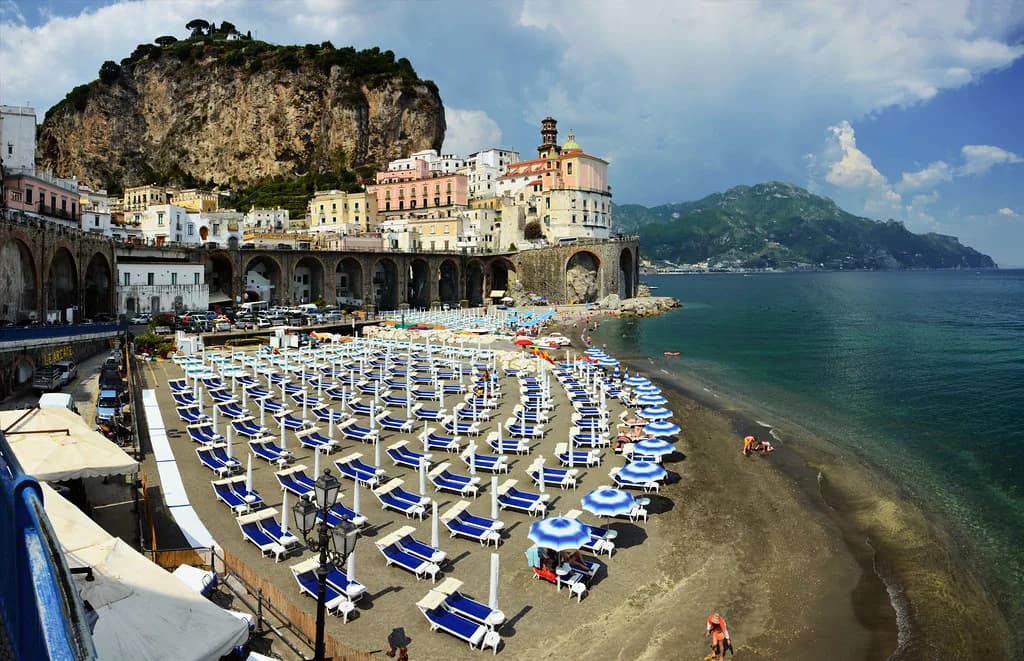
By June the beach clubs along the coast are in summer mode, with rows of loungers, umbrellas and easy access to changing facilities if you rent a chair. Outside those concessions, facilities are thinner on the ground, which is worth knowing before you commit to a free strip of pebbles.
The coast's beaches are mostly pebbly or rocky, so a pair of water shoes makes swimming far more comfortable. Smaller coves such as the Fiordo di Furore are spectacular but fill quickly in June; go early or late rather than at midday.
Crowds and prices in June
June is busy but not August-busy, and the pressure concentrates at weekends and in the middle of the day. Expect Amalfi and Positano to feel crowded by late morning, buses and ferries to fill, and restaurants with views to need booking. Agriturismi inland offer a cheaper, calmer base than the coastal hotels.
Prices across the coast are high and climb into summer, and that applies to hotels, boat trips, beach concessions and the ceramics you might buy. The one clear saving is Vietri sul Mare, where ceramics cost less than in the fashionable towns. The coast road has traffic restrictions in peak periods that change by season and by number plate, so ask your host or the local police what applies on your dates. For entry rules, use the official government travel advice page for Italy once before booking.
June or May? June or September?
June beats May on the sea and the evenings: the water is properly warm, the days are long, and boat trips and swims are part of the trip rather than an afterthought. May wins on quiet and cost, with emptier trails and easier tables. If you want long walks and villages without the crush, our guide to the best time to visit the Amalfi Coast sets out the trade-offs month by month.
June versus September is closer. Both give warm sea and long days; September is warmer still and busier, while June feels fresher and slightly less frantic. Late June is the sweet spot if you want summer without the full August intensity. If you would rather compare a different Italian June, our guides to things to do in Bologna in June and things to do in Cinque Terre in June show how the season plays out further north.
The verdict
June is the month the Amalfi Coast delivers on its reputation. The sea is finally warm at an average 23°C (73°F), the evenings stretch to 15 hours of daylight, and the villages, boats and gardens are all in full swing. If you have been waiting for the right month for a first trip, this is it.
Go with a plan that respects the heat: hikes at dawn, villages in the morning, water and long lunches in the afternoon, and boats booked ahead for weekends. Skip the Blue Grotto queue if time is short, buy your ceramics in Vietri sul Mare, and eat as many lemons as you can. If you are choosing between spring destinations across the south, see where it is warm in Europe in April before you settle on dates.
More Amalfi Coast spring guides
Frequently Asked Questions
Is June a good month to visit the Amalfi Coast?
Yes. Average highs reach about 27°C, nights stay near 20°C, and the sea averages 23°C, so swimming, boat trips and hiking are all viable. Rain is limited to roughly a 10% chance, and you get around 15 hours of daylight. The main drawbacks are the first summer weekend crowds and higher prices.
How warm is the sea on the Amalfi Coast in June?
The average sea temperature in June is about 23°C, which is warm enough for most people to swim comfortably rather than just wade. Late June is warmer than early June, so if swimming is the priority, aim for the second half of the month.
What are the best things to do on the Amalfi Coast in June?
Hike the Path of the Gods from Agerola to Nocelle early in the morning, walk the Path of the Lemons between Maiori and Minori, and visit the villas at Ravello. Add a boat day around Capri, a swim at Spiaggia Grande or Fornillo, ceramics shopping in Vietri sul Mare, and day trips to Pompeii or Paestum.
Is June or September better for the Amalfi Coast?
Both give warm sea and long evenings. June feels fresher and slightly less crowded, with the first summer weekends the main busy periods. September is warmer and busier, and the sea holds its heat. Choose June for a lighter feel and September if you want the warmest water.
Do you need to book boat tours in June?
Book ahead for weekends and for any specific date, because June fills quickly. Boats run from the main harbours, and operators publish their own schedules, so check departure points and times with your chosen operator.
How crowded is the Amalfi Coast in June?
Busy but manageable. Crowds concentrate at weekends and in the middle of the day, when Amalfi and Positano fill with day-trippers. Early mornings and late afternoons are calmer, and the smaller villages such as Vietri sul Mare and Minori stay quieter throughout.
Sources
Spring sun notes
Optional updates when we add destinations and months.
You might also like
Continue reading
More guides you'll find useful