Things to Do in Amalfi Coast in May: Plan Your Trip
May is the Amalfi Coast's sweet spot: warm days, ferries running and trails dry underfoot. Here are the things worth doing, and what May still gets wrong.
On this page
May is the month the Amalfi Coast stops hesitating. Cliff paths are dry, ferries and boat trips are running again along the coast, and the terraces and gardens in Ravello are green rather than scorched. It is the best all-round month for mixing walking with town time, before the crowds and heat of high summer arrive.
The honest caveat is the sea: air temperatures climb steadily through May, but the Tyrrhenian takes far longer to warm, so most people treat a swim as bracing rather than balmy. Come for the light, the trails and the long lunches on terraces, not for lazy afternoons in the water.
Weather in May: what a typical day feels like
Expect genuinely pleasant daytime conditions across the coast, with the warmest afternoons in the second half of the month and cooler, breezier mornings at the start. Evenings remain mild rather than hot, so a light layer earns its place on a terrace after dark.
Rain is possible but rarely prolonged; May tends to deliver bright spells broken by the occasional sharp shower rather than washed-out days. The bigger variable is wind, which can pick up on exposed stretches of the coastal road and on clifftop paths, and which decides whether boat trips run as planned.
Figures vary from one stretch of coast to the next, and the official Italian meteorological service publishes the reference normals for the nearest stations. Anyone wanting hard numbers should read those rather than rely on hotel marketing. What matters practically is that May sits in the comfortable band: warm enough for hours outdoors, not yet hot enough to make midday walking unpleasant.
Is May warm enough for walking, boats and terraces?
For walking, yes: May is arguably the best month of the year for the coast's trails, because the ground is dry and the sun has not yet turned exposed ridge paths into an endurance test. The Path of the Gods, which runs roughly from Bomerano to Nocelle and takes around two to three hours at a relaxed pace, is at its most enjoyable now, though there is little shade and an early start still pays off.
For boats, May is the month the season properly opens. Shared day cruises run from Positano and Amalfi with swim stops, coastal views and free time ashore, and the water is calmest on morning departures. Seeing the villages from below is the one activity that reframes the whole coast, and it also sidesteps the worst of the road traffic.
For terraces and long lunches, May is close to ideal: warm enough to sit outside comfortably for hours, without the glare that makes an unshaded Positano terrace punishing in July. Families with young children will find the pace gentler now than in high summer, while anyone whose main goal is warm sea swimming should look at a later month or a more southerly island.
Early vs late May: what changes as the season opens
Early May feels like the coast waking up. Some beach clubs and seasonal restaurants are still setting out furniture, boat operators are building up their schedules, and the towns have a relaxed, half-open feel that suits anyone who dislikes queues. The trade-off is that a few places you had earmarked may not yet be in full swing.
By late May the picture has changed: boats are running more frequently, terraces are busier, and the first real warmth of the year settles in. Villa gardens are lush and the light on the cliffs is superb. What you gain in atmosphere you lose in elbow room, particularly at weekends and around the British half-term break.
The practical rule is simple: choose early May for quiet and late May for a fully functioning coast. Both beat June on price and crowding, and both are far more comfortable for walking than anything from July onwards.
What is open in May: ferries, boat trips, villas and grottoes
Ferries linking the main towns normally operate through the spring and summer season, but exact timetables and start dates are set by the ferry companies, so treat any schedule you see online as a guide rather than a promise. Boat tours, kayak trips and grotto visits are all running by May, with the Emerald Grotto and the sea caves around Praiano among the standard stops on a coastal cruise.
The big sights are open and comfortable to visit. In Ravello, Villa Rufolo's terraced gardens and Villa Cimbrone's gardens, with the Terrace of Infinity looking out over the coastline towards the Gulf of Naples, are the two set-piece visits, and both are at their greenest in May. Check the villas' own sites for current opening hours and ticket prices before you build a day around them.
Pompeii and Herculaneum operate year-round, and May is a far kinder month for walking the site than high summer; official ticketing gives the current entrance fees and opening times. The same logic applies to the Vesuvius crater path, which is exposed and hot under a strong sun.
Walk the Path of the Gods from Bomerano to Nocelle
This is the coast's signature walk and the single best reason to visit in May. The trail runs around four miles between Bomerano and Nocelle, climbing through old terraces and past shepherds' shelters, with Capri and the Li Galli islands appearing below on clear days.
The complication is logistics: the route does not loop, so you need buses at both ends, and those buses get crowded as the season builds. Some stretches run close to the cliff edge and the trail is uneven underfoot, so it suits confident walkers rather than casual strollers.
Start early to beat both the heat and the crowds, and plan how you will return from Nocelle before you set off, whether that is the local bus or the long staircase down towards Positano.
The Path of the Lemons between Maiori and Minori
If the Path of the Gods sounds like too much, the Sentiero dei Limoni is the gentler alternative: roughly four kilometres of stone stairways and lanes between Maiori and Minori, winding through terraced lemon groves with the sea below almost the whole way. It takes about an hour and a half and needs no technical gear, though there is steady uphill work and plenty of steps.
May is the perfect month for it, with the groves in leaf and the air scented with citrus. Farm stops along the route sell limoncello, granita and lemon-based preserves, and you can walk it in either direction, returning by ferry between the two towns or continuing by boat towards Amalfi or Positano.
Ravello: Villa Rufolo, Villa Cimbrone and the Terrace of Infinity
Ravello sits high above the coast and feels notably calmer than Amalfi or Positano even in a busy month. Villa Rufolo, a thirteenth-century property with exotic terraced gardens and Moorish architectural touches, is the easier of the two villa visits, and its terrace becomes an open-air concert stage during the summer Ravello Festival.
Villa Cimbrone is older in origin and more romantic in feel, with tree-lined paths, marble busts and the famous Terrace of Infinity lined with statues. Note that the terrace can close for private events, so it is worth checking before you make it the centrepiece of a day.
The classic way to combine the two is to see the villas in the morning, wander Ravello's alleys and piazzas, then descend to Amalfi for the afternoon. A historic stairway also links Ravello down to Atrani for anyone who prefers walking to waiting for a bus.
Amalfi town: the Duomo, the cloister and the paper museum
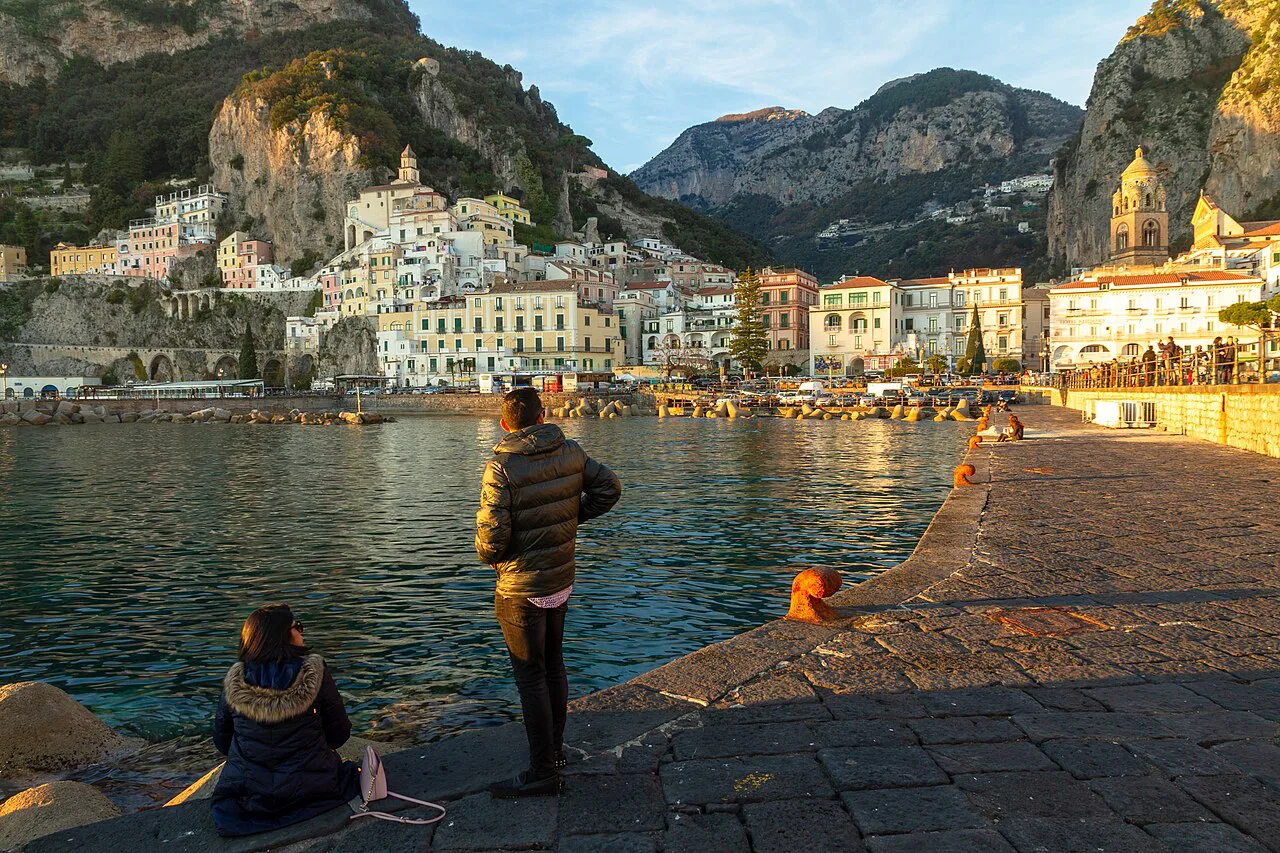
Amalfi rewards a slow approach. The Duomo, with its striped façade and long staircase, is the obvious anchor, and the Chiostro del Paradiso next door is a peaceful, quick stop with elegant arches and a bright courtyard. Behind the main square, the lanes narrow and quieten and the town starts to feel less like a thoroughfare.
The Paper Museum, housed in an old paper mill, explains the town's former role as a paper-making centre, with original machinery and water channels still in place. A short family-run limoncello visit near the Duomo makes a pleasant counterpoint, and both are easy add-ons to a morning in town.
Timing matters: Amalfi is busiest from late morning to mid-afternoon, and noticeably calmer early or after about four o'clock.
Positano beyond Marina Grande
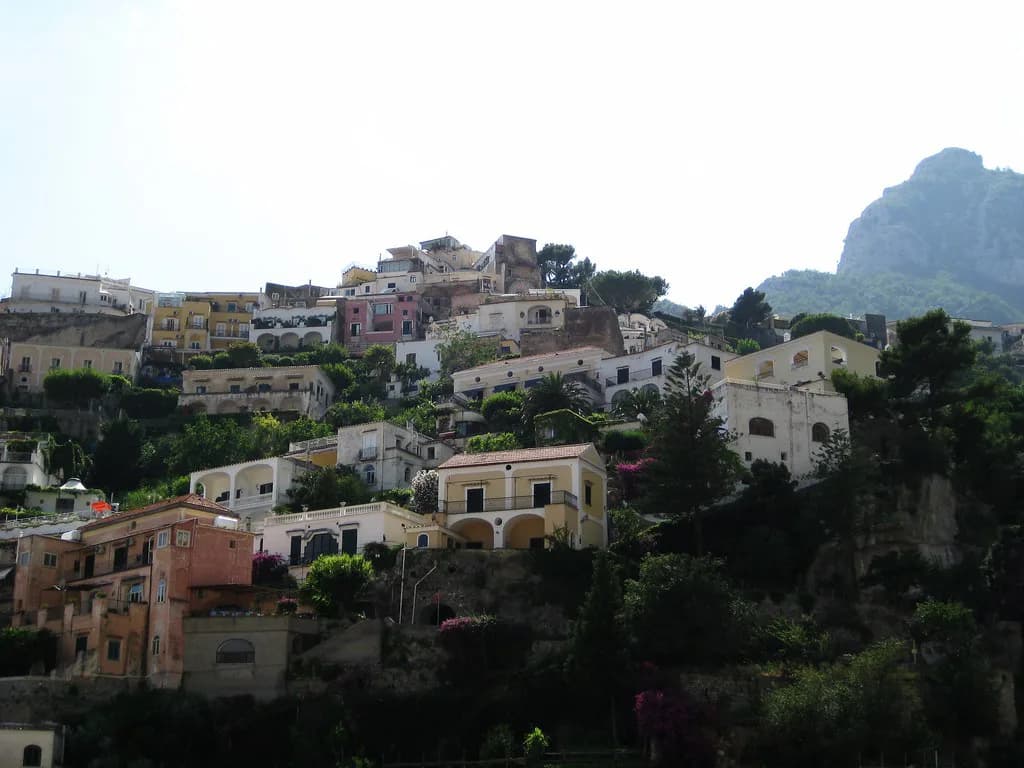
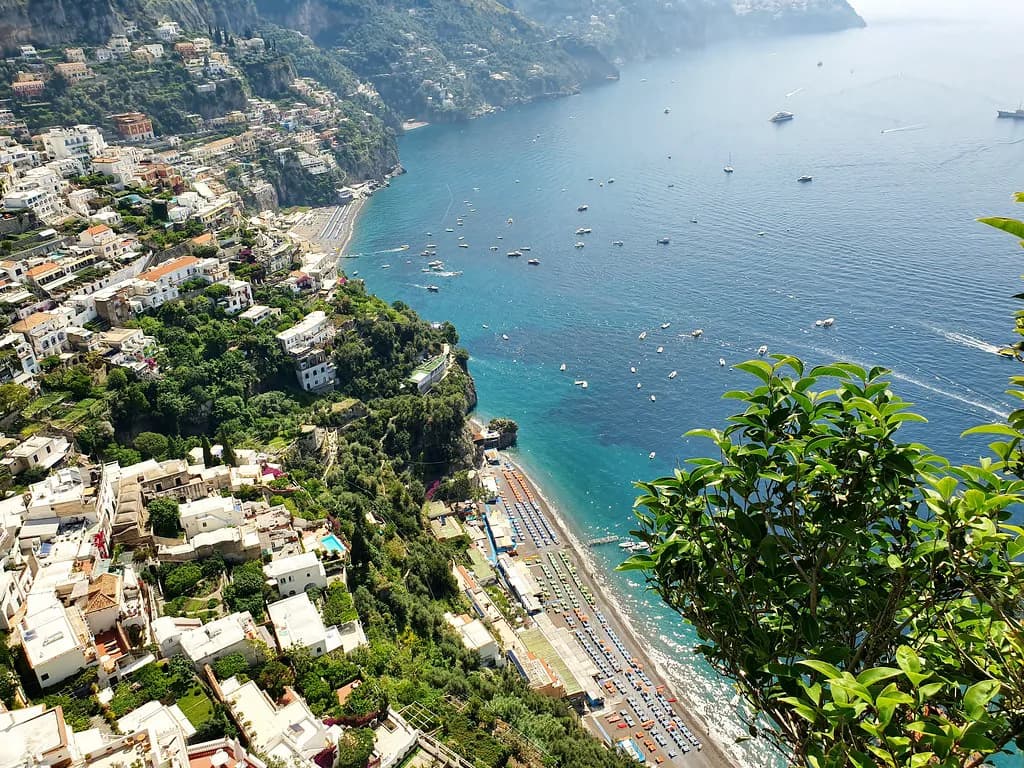
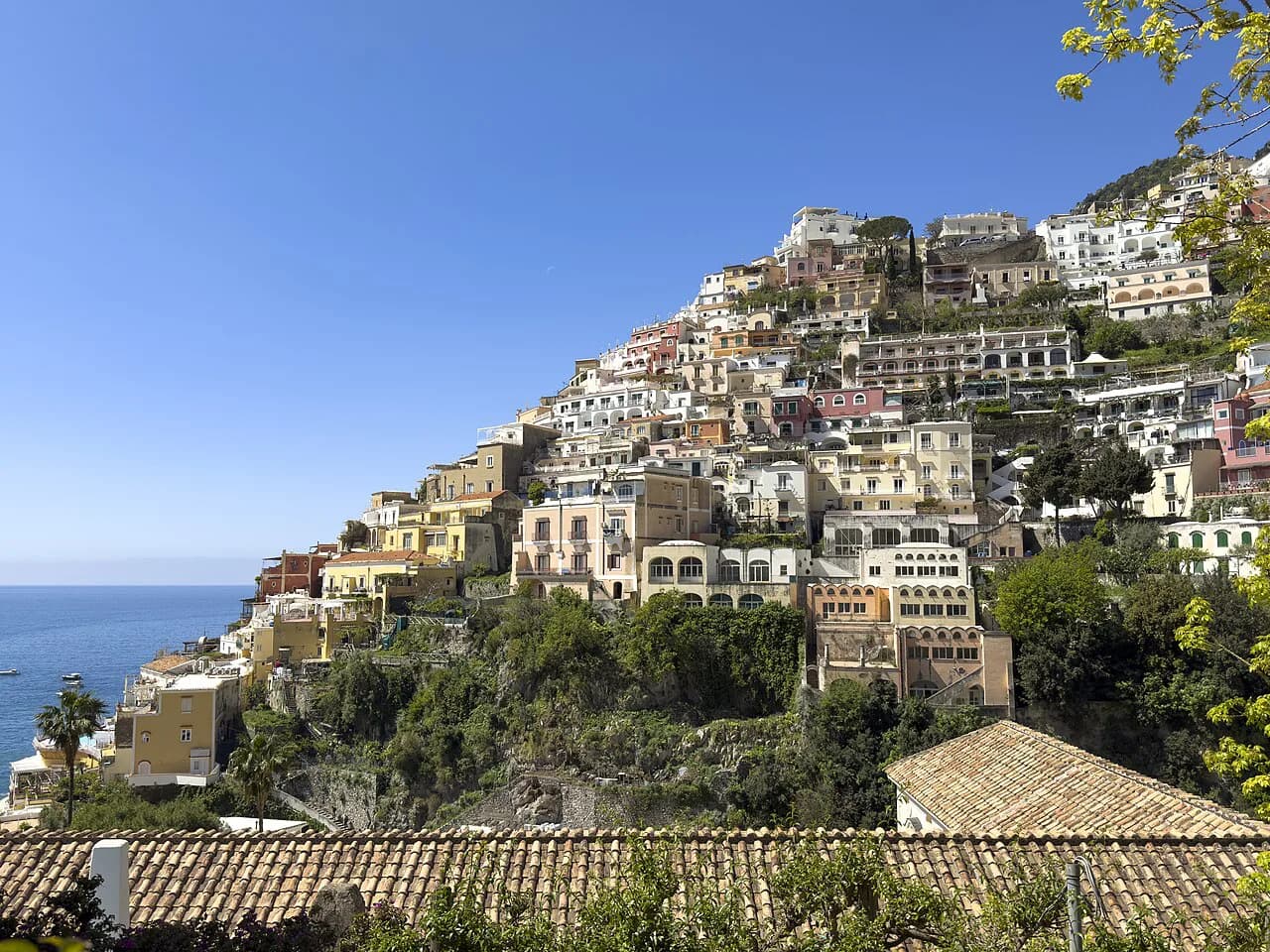
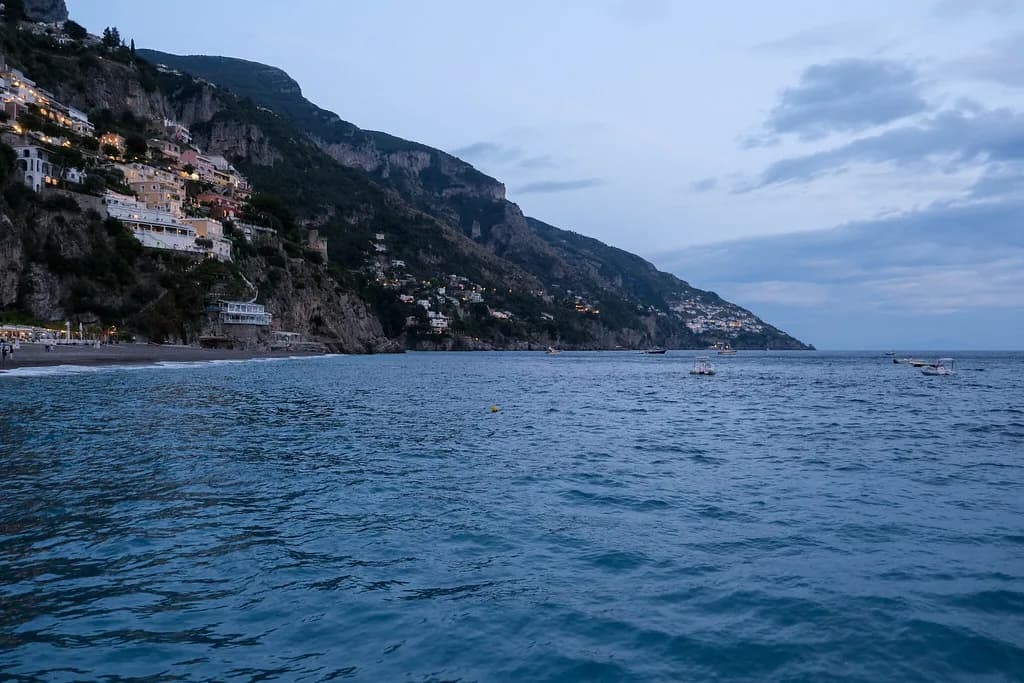
Positano is the postcard, and May is a good month to see it without the shoulder-to-shoulder crush of August. The town is a vertical maze of stairways, bougainvillea and small terraces, and the best approach is to wander uphill away from the main street rather than sticking to the waterfront.
The Church of Santa Maria Assunta, with its tiled dome, sits at the heart of the lanes, and Marina Grande is the classic beach view with the town rising behind it. Fornillo, a short walk around the headland, is usually quieter. The public beach fills fast, and private beach clubs with mandatory sunbeds come at a premium, so pick your spot with that in mind.
Sunset is Positano's best hour. Rather than fighting for space at a viewpoint, take an aperitivo on a terrace and watch the lights come on across the houses.
The quiet towns: Atrani, Praiano, Cetara, Erchie and Minori
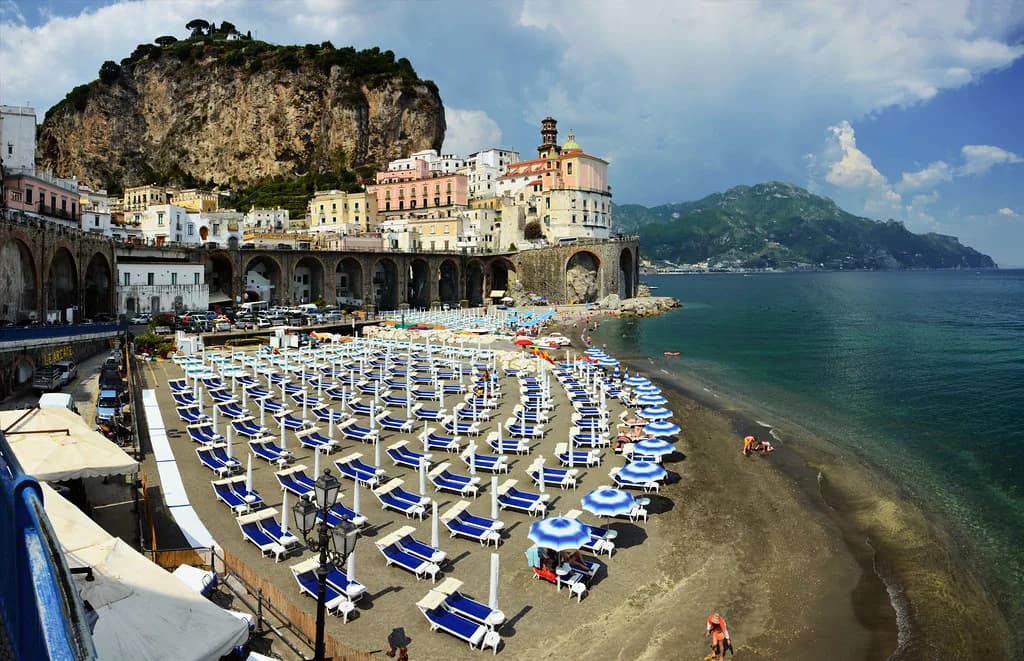
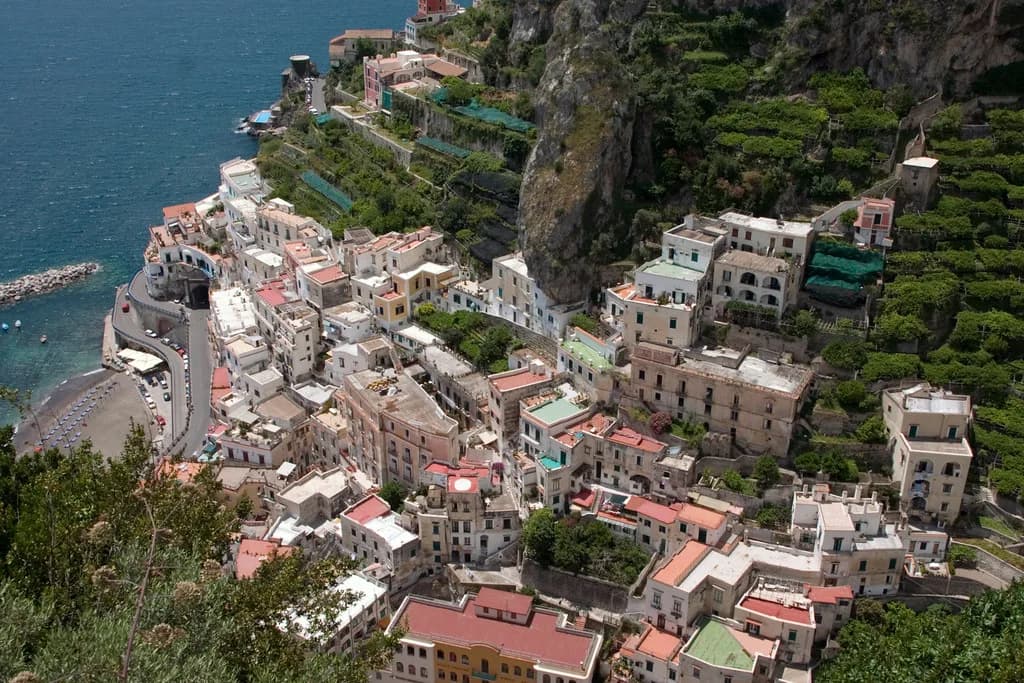
The Amalfi Coast has thirteen towns, and the smaller ones are where May feels most relaxed. Atrani, a few minutes from Amalfi, is compact, lived-in and almost entirely without a checklist of sights, which is exactly the point; it makes an easy, quiet pause between bigger stops.
Praiano faces west and is well placed for sunset, with quieter terraces than its neighbours. Cetara is a working fishing village known for anchovy sauce and tuna, Erchie has a small, family-friendly beach with fishing boats drawn up on the shore, and Minori combines sandy stretches with a first-century Roman villa site and a reputation for pastries.
Maiori, with its long seafront promenade and sandy beach, is the most spacious of the smaller towns and a sensible base for anyone who wants easier access than the cliffside villages allow.
Vietri sul Mare and the ceramics tradition
Vietri sul Mare, at the western end of the coast, is the ceramics town: hand-painted tiles appear on façades, staircases, shop signs and even benches, and the small workshops sell everything from simple plates to decorative panels. It feels more local and less tourist-driven than the famous trio, and it is a good half-day change of pace.
It also has one of the longer sandy stretches on the coast, which makes it useful if you want space by the water rather than a pebbly cove.
Fiordo di Furore and the Emerald Grotto
The Fiordo di Furore, a deep cleft in the cliffs spanned by a road bridge, is one of the coast's most photographed sights and a quick, rewarding stop on the coastal road. The Emerald Grotto near Conca dei Marini is a sea cave visited by small boat, and it typically features on coastal cruises that also take in the coves around Praiano.
Both depend on sea conditions, so treat a grotto visit as weather-dependent rather than fixed. On a windy day, the coastal road drive itself, with its sudden views and hairpin bends, is the more reliable pleasure.
Boat trips and the coast from the water
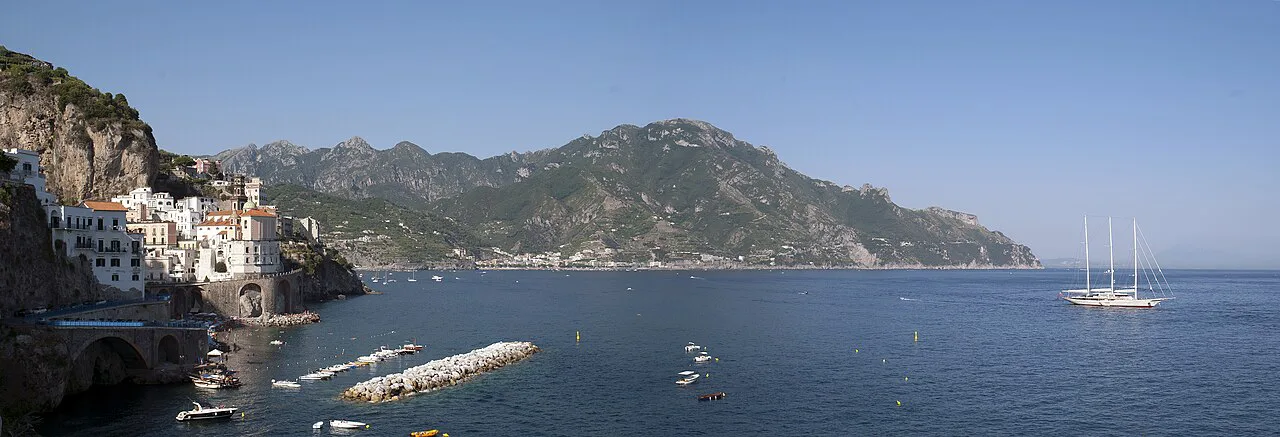
If you do one organised activity in May, make it a day on the water. Options range from a small-group snorkel cruise of a few hours to a full-day shared cruise with swim stops and free time in Amalfi or Positano, up to a private boat with your own skipper and a flexible route. Pricing tiers for shared and private cruises are set out in this comparison of Amalfi Coast boat tours, so check current rates there when you book.
Morning departures usually mean calmer water; late afternoon gives the best light on the cliffs if photography matters more to you than a smooth ride. A crossing to Capri works well as a full-day boat outing, with time ashore for the town and the funicular.
Day trips: Capri, Pompeii, Vesuvius, Sorrento and Naples
Capri is the standout day trip, an easy boat ride from the coast and worth a full day for the Faraglioni rocks, the lanes of Capri town and the views from the upper island. Pompeii and Herculaneum are straightforward by train or organised tour and far more comfortable in May than in July.
The Vesuvius crater path, reached by bus from near the Pompeii ruins and then on foot over loose volcanic gravel, is short but exposed, with almost no vegetation and a real sense of the volcano's power at the rim. Sorrento, well connected by train and ferry, is the practical base for these excursions, and Naples, loud and layered and worth it for the pizza alone, is an easy rail day out.
Crowds and prices in May
May is busy but not yet overwhelming. The two pressure points are the early May bank holiday weekend in the UK and the late May half-term break, when the coast road, ferries and the main towns all feel the squeeze. Outside those windows, midweek days are noticeably calmer.
Prices sit in the shoulder-season band: higher than April, well below July and August, with the steepest premium around the bank holiday weekend and on coastal accommodation with a sea view. Beach clubs, private boats and guided tours are the items that inflate fastest, so book those ahead rather than on the day. If you are weighing up April instead, our guide to the Amalfi Coast in April covers the earlier, quieter version of the same coast.
If you are weighing up whether the extra warmth in June justifies the extra cost, our guide to the best time to visit the coast lays out the trade-offs by month.
May or June? Choosing your month
May wins on freshness, space and price; June wins on warmth, especially in the sea, and on the completeness of the season, with everything running and the evenings reliably balmy. Walkers and sightseers should lean towards May, while anyone whose holiday depends on swimming and long beach days should lean towards June. Our guide to the Amalfi Coast in June sets out what changes as the season fills in.
There is also a case for extending the logic further afield: if you want guaranteed warmth in spring, our guide to the warm places in Europe in April is a useful comparison for destinations further south that heat up sooner.
The verdict
May is the Amalfi Coast's most balanced month. The trails are dry, the villas are green, the boats are running and the towns are lively without being stifling. The sea remains cool, so plan your days around walking, boats and long lunches rather than swimming, and book the bank holiday and half-term weeks early.
Coming from April, you gain open ferries and reliable warmth; waiting until June, you gain a warmer sea and fuller evenings at a higher price. For most travellers, the sweet spot is exactly where May sits, and our month-by-month guide to the Amalfi Coast in May explains how to time a trip within it.
Plan Your Visit
Build your May trip around one big walk, one day on the water and two or three towns, and leave room for the coastal road drive, which is an experience in itself rather than just transport. Ravello in the morning and Amalfi in the afternoon remains the most efficient pairing.
For border and entry requirements, use the official UK or US government travel pages; for everything else, the venue and operator websites carry the current details.
More Amalfi Coast spring guides
Frequently Asked Questions
How many days is enough for the Amalfi Coast?
Four or five nights lets you cover the main towns, one long walk and a boat trip without rushing. A week gives you room for a Capri or Pompeii day trip and still leaves time for a quiet afternoon in Atrani or Praiano.
What are the must-see places on the Amalfi Coast?
Ravello's villas and the Terrace of Infinity, Amalfi's Duomo and cloister, Positano's stepped lanes and the Path of the Gods are the core. Add Vietri sul Mare for ceramics and Atrani or Cetara for a quieter, more local feel.
Is the Amalfi Coast cheap or expensive?
It is an expensive corner of Italy, particularly for sea-view accommodation, private boats and beach clubs. May is cheaper than July and August, but the bank holiday and half-term weeks push prices up, so book those early.
Is June a better time to go to the Amalfi Coast than May?
June is warmer, with a more inviting sea and balmier evenings, but it is busier and pricier. May suits walkers and sightseers; June suits anyone whose holiday depends on swimming and long beach days.
Can you swim on the Amalfi Coast in May?
The air is warm enough to want to, but the Tyrrhenian warms slowly and many visitors find the water bracing until later in the season. Treat a dip as refreshing rather than a main event, and plan around walking, boats and terraces instead.
Is the Path of the Gods doable in May?
Yes, and May is one of the best months for it, with dry ground and moderate temperatures. Start early, carry water, wear proper shoes, and arrange your return from Nocelle in advance, since the trail does not loop.
Sources
Spring sun notes
Optional updates when we add destinations and months.
You might also like
Continue reading
More guides you'll find useful