Algarve in June: What the Weather Is Like Before You Go
The Algarve in June averages 26.8°C by day and 17.8°C at night at Faro, with rain almost gone. Warm enough for sightseeing, walking and long evenings.
On this page
June is the month the Algarve stops being a spring touring destination and becomes a summer one. At Faro, the 1991–2020 climate normals give an average daily maximum of 26.8°C (82°F) and an average daily minimum of 17.8°C (64°F), with just 0.8 rain days and 5.1 mm of precipitation across the month. That is warm enough for coastal walks, old-town wandering, long outdoor dinners and a sun lounger — as long as you accept that the Atlantic is still catching up.
The people June suits best are sightseers, walkers and families who want heat without the August crush. The people it disappoints are swimmers expecting bathwater, and anyone who wants guaranteed beach weather in the first week. If your trip is really about the water, look at July or September; if it is about everything else, June delivers.
Weather in June
The headline figures come from the national weather service sheet for Faro Airport, station 554, period 1991–2020. Daytime highs average 26.8°C (82°F) and night-time lows 17.8°C (64°F), and rain is effectively gone: under one rain day on average and around 5 mm for the whole month. Treat these as typical conditions built from decades of records, not a forecast for your week.
That same sheet does not publish sunshine hours for the station, so judge June by feel rather than a number: this is a month of long, mostly clear days with the odd overcast morning, and daylight that stretches well into the evening. The practical consequence is that you can plan a full day outdoors without building in a rain contingency, and still have light left for a late cliff walk after dinner.
The regional split matters more in June than in most months. The sheltered south coast between Faro, Albufeira and Portimão feels still and hot by mid-afternoon, while the west coast around Aljezur and Sagres catches the Atlantic breeze and often runs a few degrees cooler with a stiff wind on the cliffs. Pack your days so that windy coastal walks go on the west and lazy afternoons on the south.
Is it warm enough?
For sightseeing, yes, comfortably. Old towns such as Tavira, Silves and Lagos are pleasant to walk in the middle of the day, and the 17.8°C (64°F) night-time average means evenings outdoors are genuinely comfortable rather than a scramble for a jacket. Families with young children get the best of it: warm but rarely punishing, with pools and shaded squares usable all afternoon.
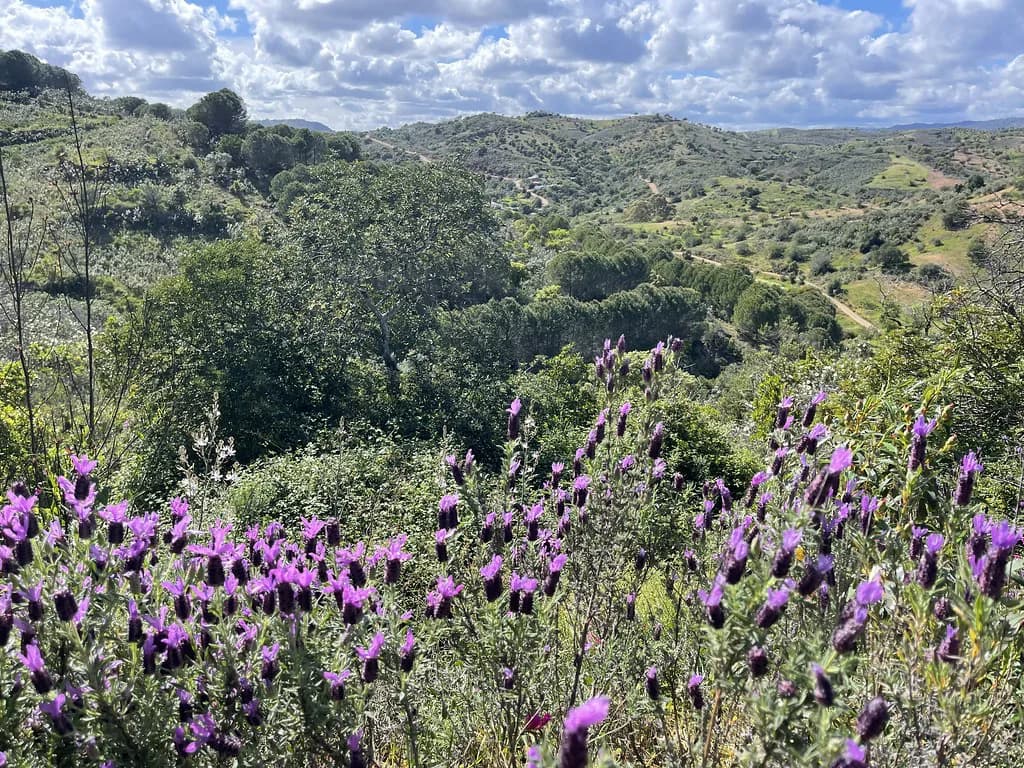
For serious walking, June rewards early starts. The Seven Hanging Valleys clifftop route between Praia da Marinha and Carvoeiro has little shade and heats up fast by late morning, so the difference between a 7am and an 11am start is the difference between a walk and a slog. The Monchique hills inland are cooler and greener, and make a sensible alternative when the coast is at its hottest.
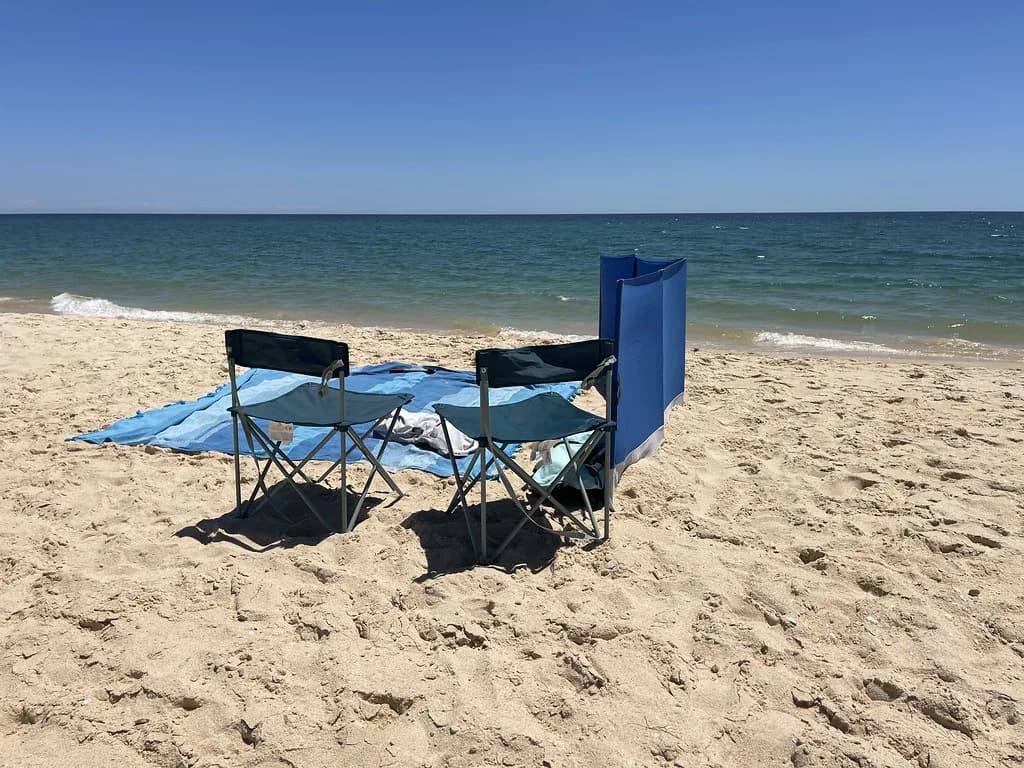
For swimming and sunbathing, temper expectations. The air is beach weather; the Atlantic is not yet, and the water stays cold well into summer. Sunbathe, paddle, and use the pool, but if long swims are the point of your holiday, June is a compromise and July or September is the better bet for water temperature — our guide to where is warm in Europe in June sets the Algarve against warmer-sea alternatives.
If you are weighing up whether June or an earlier month fits your plans, the honest comparison is that April gives you cooler, quieter, greener conditions. The Algarve in April averages 20.7°C (69°F) by day and 12.4°C (54°F) at night with 5.3 rain days, which is walking weather rather than beach weather.
Early vs late June
The month builds. Early June behaves like a warm version of late spring: 26°C-plus afternoons, cool-ish evenings, quiet resorts and space on the sand. By the last ten days the heat is more sustained, the evenings stay warm, and the first wave of summer visitors arrives as summer holidays begin.
Book the first half of the month if you want the warmth with elbow room. Book the second half only if you need school-holiday dates, and expect to reserve accommodation and popular boat trips further ahead. Either way, the difference between the two halves is felt more in crowds and evening temperature than in rainfall, which is negligible across the whole month.
June against May and July
May averages 23.5°C (74°F) by day and 15.0°C (59°F) at night with 3.8 rain days; June jumps to 26.8°C (82°F) and 17.8°C (64°F) with rain almost gone. That is a real step up, not a rounding error: it is the difference between needing a layer after sunset and not bothering, and between a couple of unsettled days and none.
July pushes the heat further and brings the peak-season crowds and prices with it. June gives you most of the warmth and a good deal more breathing space; May gives you quieter roads and lower prices at the cost of cooler evenings. If your dates are flexible and comfort matters more than guaranteed heat, May and June are the sweet spot.
What is open
June is the transition month on the Algarve coast. Businesses that ran reduced spring hours move to full summer schedules as the season opens, beach clubs and esplanades set out their furniture, and seasonal restaurants along the front reopen. The direction of travel is toward everything being available, but the exact opening days vary by operator and are not something to assume.
Boat trips are the clearest example. The Benagil cave trips and the Ria Formosa boat tours from Olhão and Faro run through the season, and demand rises sharply as June progresses, so book a day or two ahead rather than turning up at the kiosk. Operators publish their own departure times and conditions, including when sea conditions keep boats in harbour.
Golf, walking guides and wine estates are all in full operation by June, and the region's courses are a major reason people come at this time of year. If you want a specific course, tour or tasting, contact the club or estate directly for the day's timetable rather than relying on a seasonal listing — June schedules change week by week as summer staffing comes in.
Things to do in June
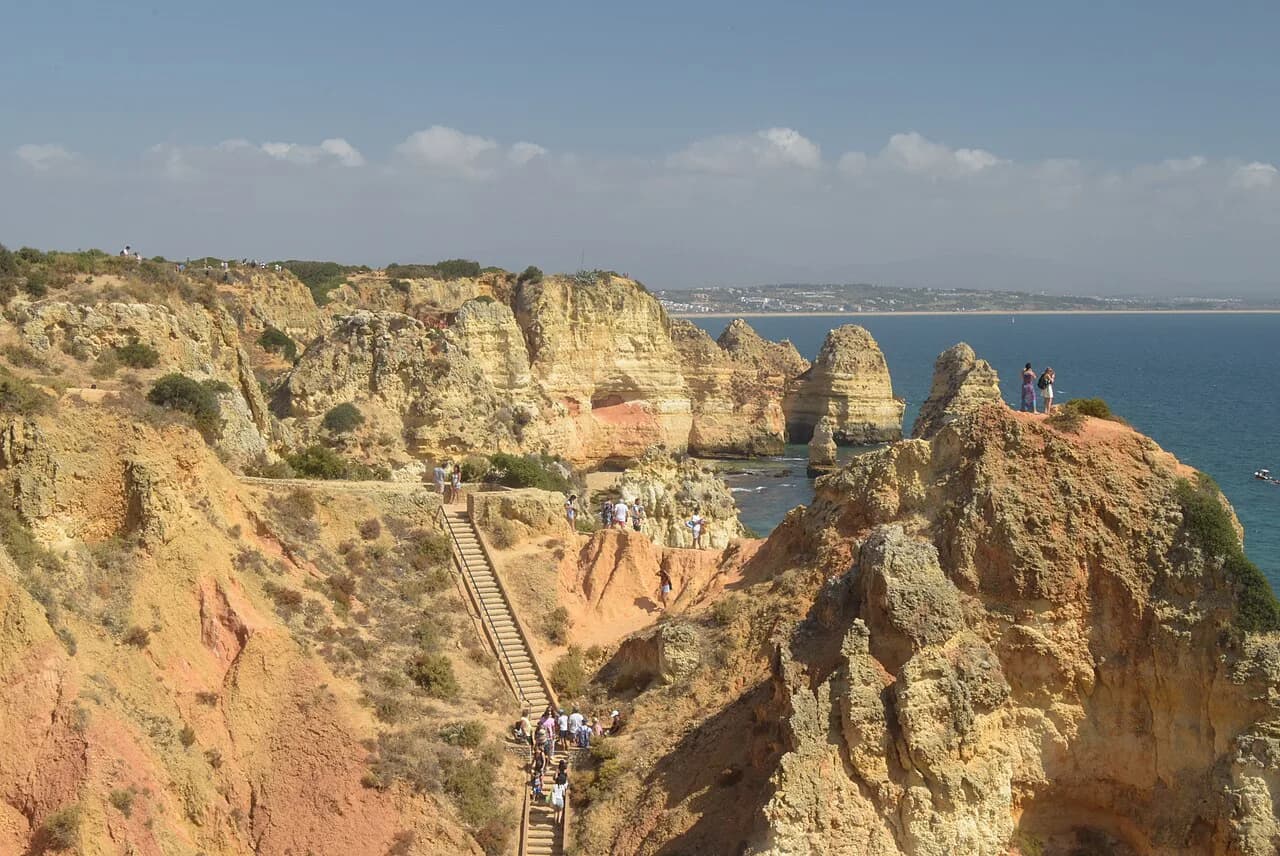
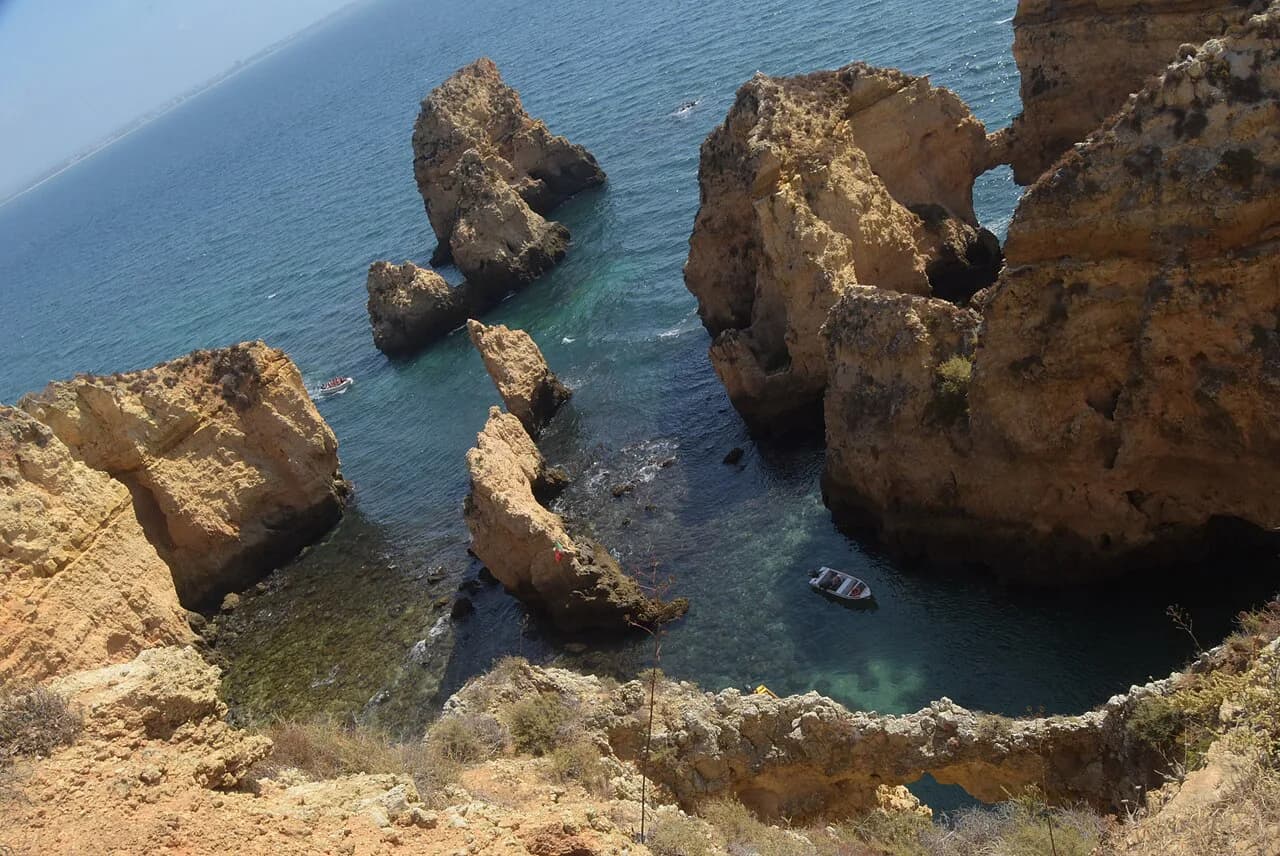
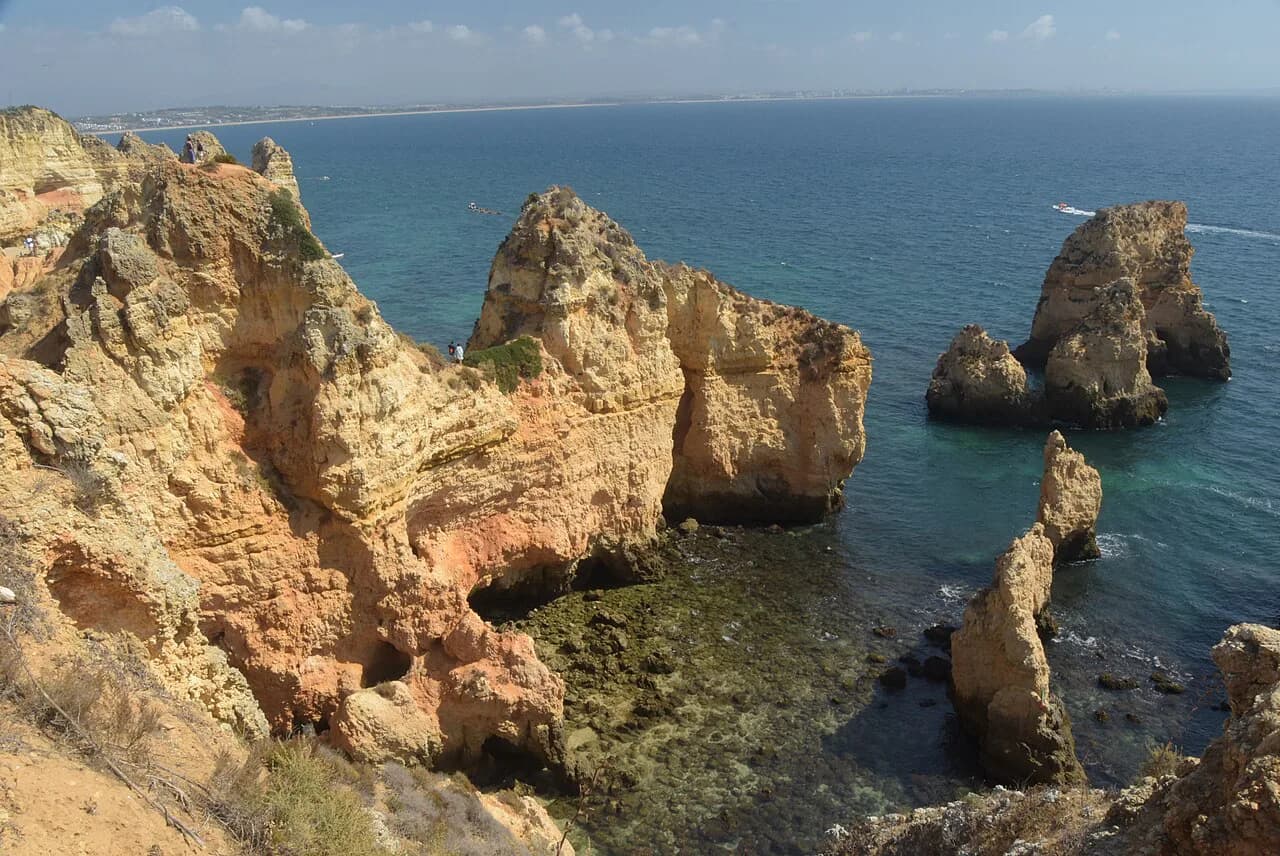
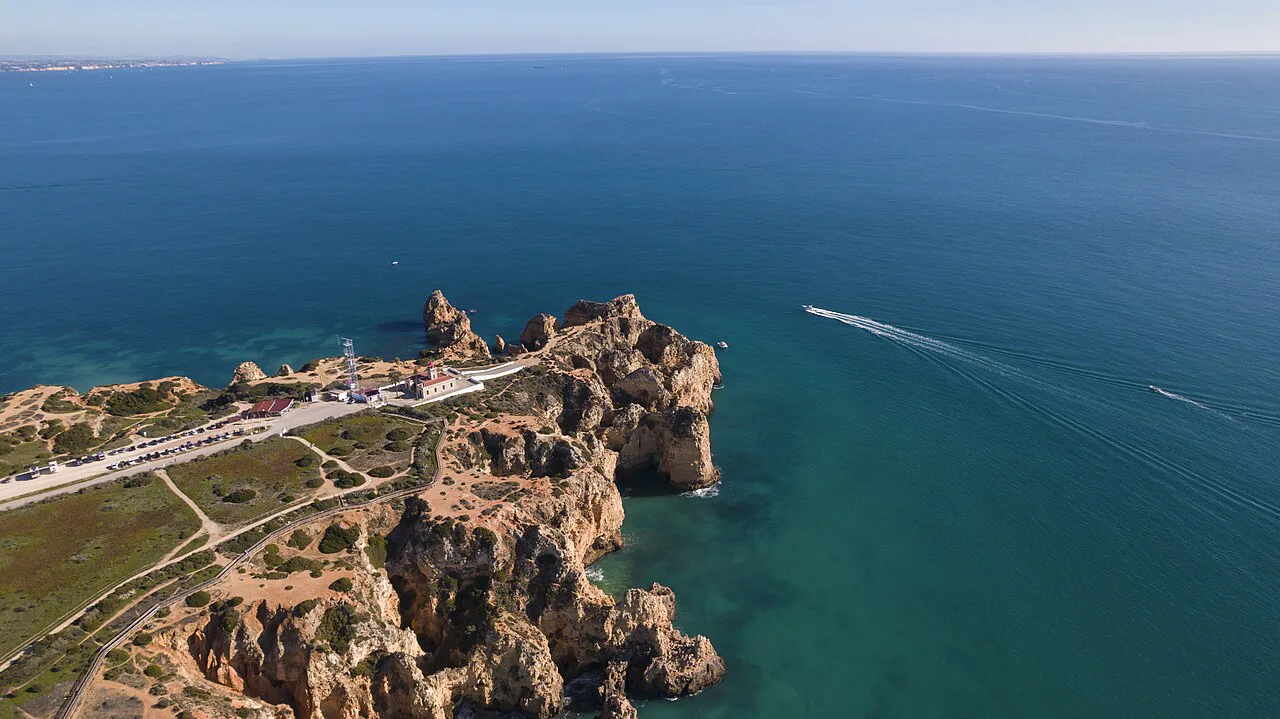
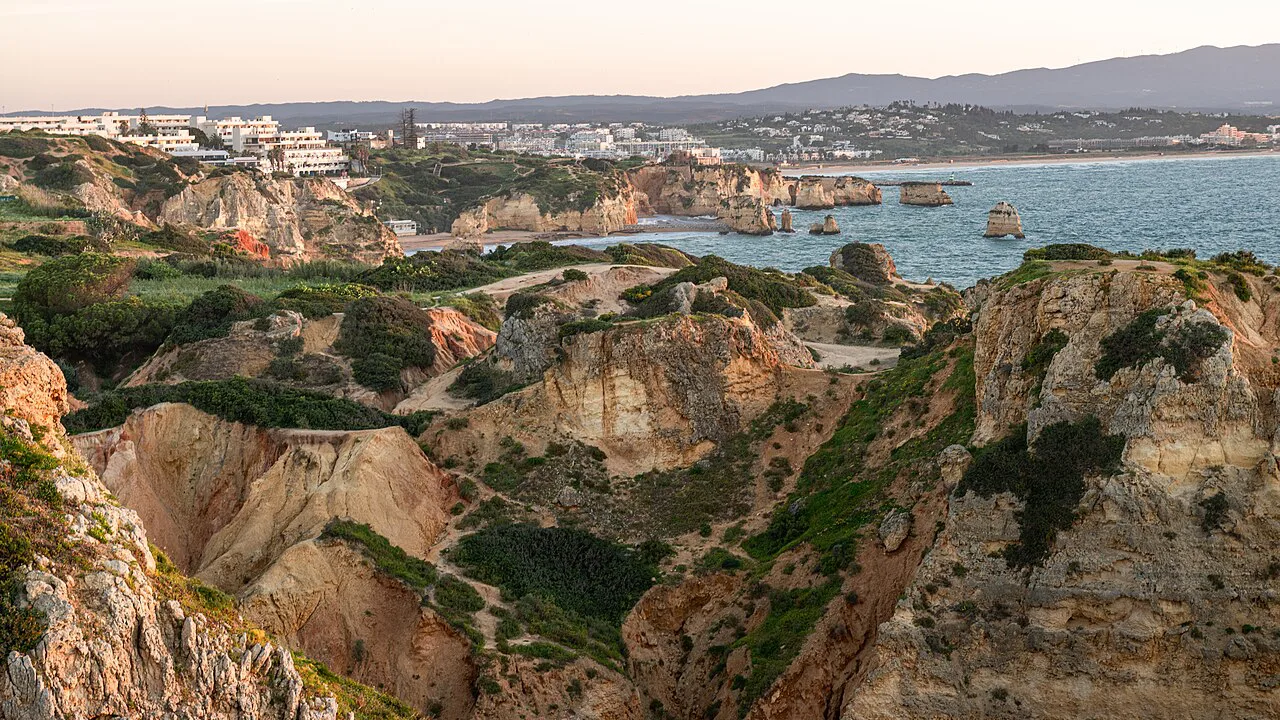
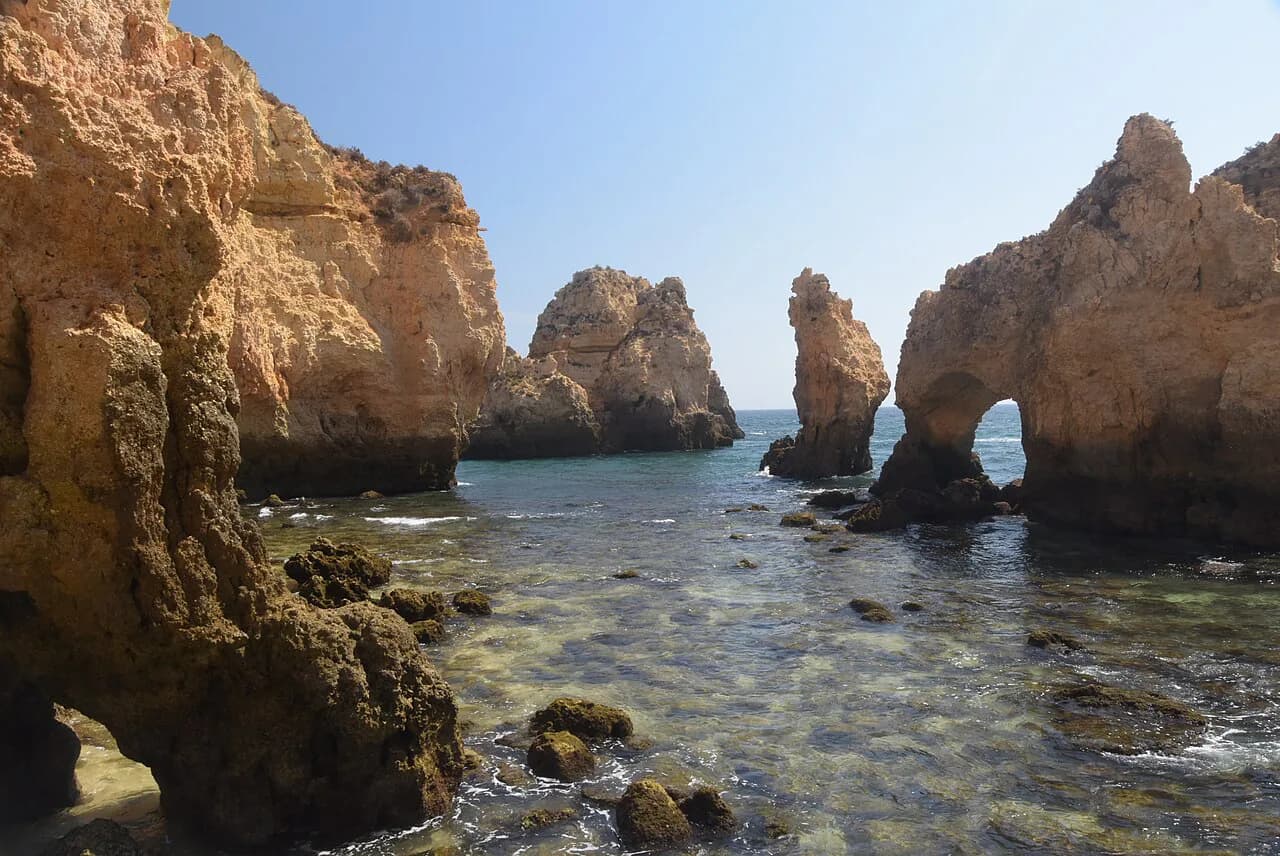
Start with the Lagos coast. The clifftop paths above Ponta da Piedade are at their best in June light, and the rock formations and turquoise inlets below are the photographs people come for. Go early or late in the day for softer light and thinner paths; the middle of the day is hot and, later in the month, busy.
In the east, Tavira is the calm counterweight to the resort coast. The Gilão river splits the old town, a Roman bridge crosses it, and the squares fill with people eating outdoors in the warm evenings. It is a good base for the quieter eastern beaches and the Ria Formosa Natural Park, where birdlife, dunes and barrier islands make a cool, breezy change from the sand.
At the south-western tip, Sagres and Cabo de São Vicente give you the raw Atlantic version of the Algarve: a fortress above the sea, cliffs, and sunset views that justify the drive. Expect wind here even when the south coast is still. Inland, the Monchique hills offer cooler air, cork oak and views back to the coast — a sensible plan for a very hot afternoon late in the month.
If you want a tighter shortlist of activities, walks and food stops for the month, our guide to things to do in the Algarve in June goes deeper on the coast and inland options.
Food in season
June is when the grilled sardine becomes the regional dish of the moment, served with bread, salad and a cold glass. Seafood is at its most reliable: clams, prawns and the Algarve's own scarlet prawns appear on menus from the seaside shacks to smarter beach restaurants. Look for esplanades facing the water in towns like Portimão and Albufeira, where the cooking is simple and the fish is fresh.
Local wine has become a reason to travel in its own right. The region's estates run tastings and vineyard tours, often as short half-day visits from Lagos or Silves, and June's warm evenings suit a long table outside afterwards. Arrange tastings in advance, since the smaller estates work to booked slots rather than walk-ins.
Crowds and prices
June is busy but not crammed. The first half is the value window: resorts are lively, restaurants are open, and you can still find space at popular viewpoints and beaches. The last week brings the first wave of summer visitors as school holidays begin, and the popular south-coast resorts — Albufeira, Vilamoura, Carvoeiro — fill up accordingly.
Prices step up as the season opens, though not to July and August levels. Late spring, early summer and early autumn are the value periods for hotels and flights, while midsummer is the most expensive; the best savings come from booking well ahead for the peak weeks. For a wider seasonal comparison, read our guide to the best time to visit the Algarve.
Honest drawbacks
The sea is cold. That is the single biggest mismatch between how June looks and how it feels, and it surprises people who book the Algarve expecting the Mediterranean. Treat the water as a dip rather than a swim, and put the long swimming days later in the season.
The west coast is windy, sometimes fiercely so, and a beach day at Aljezur or Carrapateira can turn into a sand-blasting. The south coast is calmer and warmer, which is why most summer visitors stay between Faro and Lagos. Rain spells in June are rare but not impossible, and late in the month the heat can build enough to make midday walking unpleasant.
June or September?
Both months give you warm air and, in June's case, near-certain dry weather. September keeps the warmth, has a sea that has had all summer to warm up, and sees crowds thin after mid-month — which makes it the better pick if swimming matters. June wins on long daylight, green hills and a sense of the season just opening.
If your priority is pairing the Algarve with other warm destinations, our guide to where is warm in Europe in June compares it with Greece, Cyprus, Malta and the Canary Islands. If you are travelling in April instead, the warm places in Europe in April shortlist sets out what is realistically warm that early.
The verdict
Book June if you want reliable warmth, dry days and a region that is fully awake without the August pressure. The first half is the smarter choice for space and value; the second half is for families tied to school dates.
Do not book June for swimming. Come for the cliffs at Ponta da Piedade, the old towns of Tavira and Lagos, the Ria Formosa and the long outdoor dinners — and save the water for later in the summer. If you are still comparing months, our guide to the Algarve in May shows what you trade for cooler evenings and thinner crowds.
More Algarve spring guides
Frequently Asked Questions
What is the weather like in the Algarve in June?
At Faro, the 1991–2020 climate normals give an average daily maximum of 26.8°C (82°F) and an average daily minimum of 17.8°C (64°F), with 0.8 rain days and 5.1 mm of precipitation for the month. Expect long, mostly sunny days and warm evenings, with the west coast cooler and breezier than the sheltered south.
Is the Algarve warm enough in June to sunbathe?
Yes. Daytime highs averaging close to 27°C make sunbathing and pool days comfortable, and evenings stay mild enough to sit outside. The Atlantic itself is still cold in June, so treat the sea as a quick dip rather than a long swim.
Is June a good time to visit the Algarve?
It is one of the best months for sightseeing, walking, golf and outdoor dining, because the heat is reliable but rarely extreme and rain is almost absent. It is less good if long swims in warm water are your main reason for travelling.
Is the sea warm enough to swim in the Algarve in June?
No, not comfortably for most people. The air is warm but the Atlantic is still catching up from winter, and it stays cold well into summer. If warm water matters, July and September are better choices.
Is the Algarve busy in June?
The first half of June is lively but uncrowded, with space at viewpoints and on beaches. The final week brings the start of school holidays in the UK and parts of Europe, and the popular south-coast resorts fill up.
Should I go to the Algarve in June or September?
Choose June for long daylight, green hills and near-certain dry weather. Choose September for a warmer sea, thinner crowds after mid-month and still-reliable sunshine.
How does June compare with May in the Algarve?
May averages 23.5°C (74°F) by day and 15.0°C (59°F) at night with 3.8 rain days; June reaches 26.8°C (82°F) and 17.8°C (64°F) with rain almost gone. June is noticeably warmer and drier, while May is quieter and cheaper.
Sources
Spring sun notes
Optional updates when we add destinations and months.
You might also like
Continue reading
More guides you'll find useful