Algarve in Spring: March to June Weather and What's Open
Algarve spring weather month by month, from 20.7°C April highs to 26.8°C in June, with crowds, what's open and whether spring suits your trip.
On this page
Spring is the Algarve's most useful season, and May is the month most travellers should aim for: warm enough for long outdoor lunches and coastal walks, quiet enough to park in Tavira or Lagos without a fight, and late enough that boats and restaurants are running properly. April is the better pick if you want hiking and sightseeing in comfortable temperatures, and June rewards anyone who wants reliable sunshine and doesn't mind heat building by the afternoon.
The figures below come from the Portuguese national weather service normals for Faro Airport, averaged over 1991 to 2020, so treat them as typical conditions rather than a forecast for your week. They cover the coast around Faro; the western Algarve around Sagres and the hills behind Monchique run cooler and windier than the resort strip.
Spring in the Algarve at a Glance
March suits sightseeing, walking and garden visits, with green hills and quiet towns; April adds reliable mild afternoons and the first proper beach days for the hardy; May is the sweet spot for a mixed trip; June turns genuinely hot inland by late afternoon. If your priority is guaranteed sunbathing and warm sea, wait for June or July, or look further south and east.
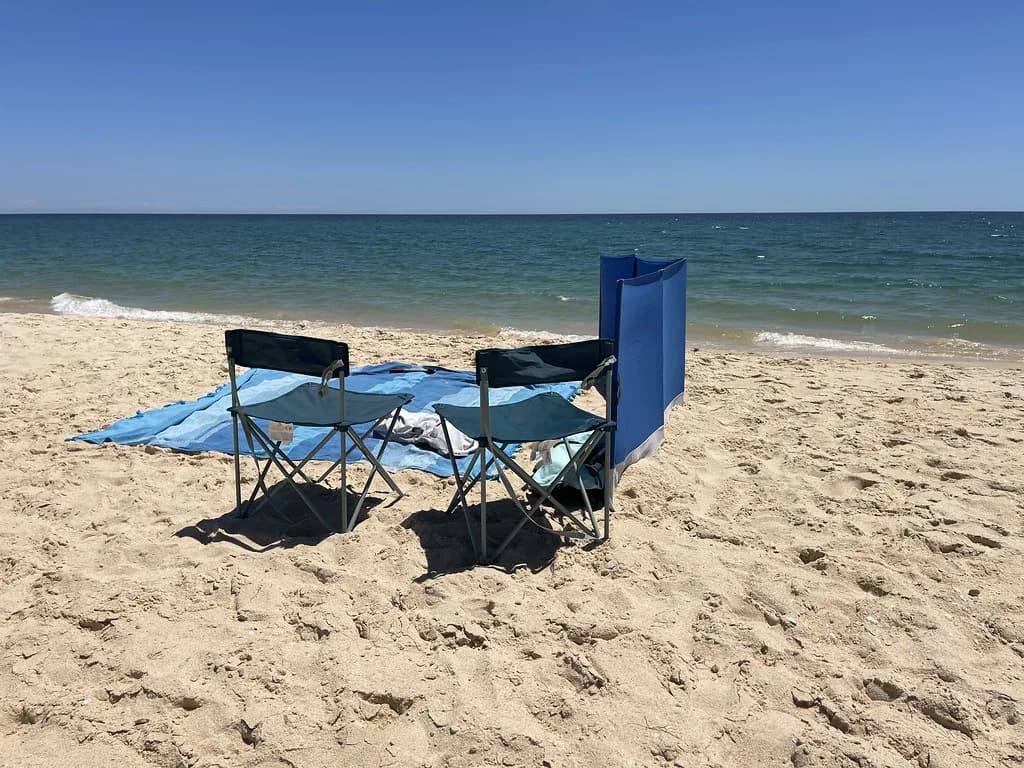
The honest constraint in spring is not rain but wind and cool evenings. Coastal breezes make boat trips and cliff walks feel colder than the thermometer suggests, and outdoor dinners need a jacket well into April. If you want a full beach holiday with warm water, the Algarve in spring will disappoint; if you want walking, food and empty viewpoints, it delivers.
Weather in March
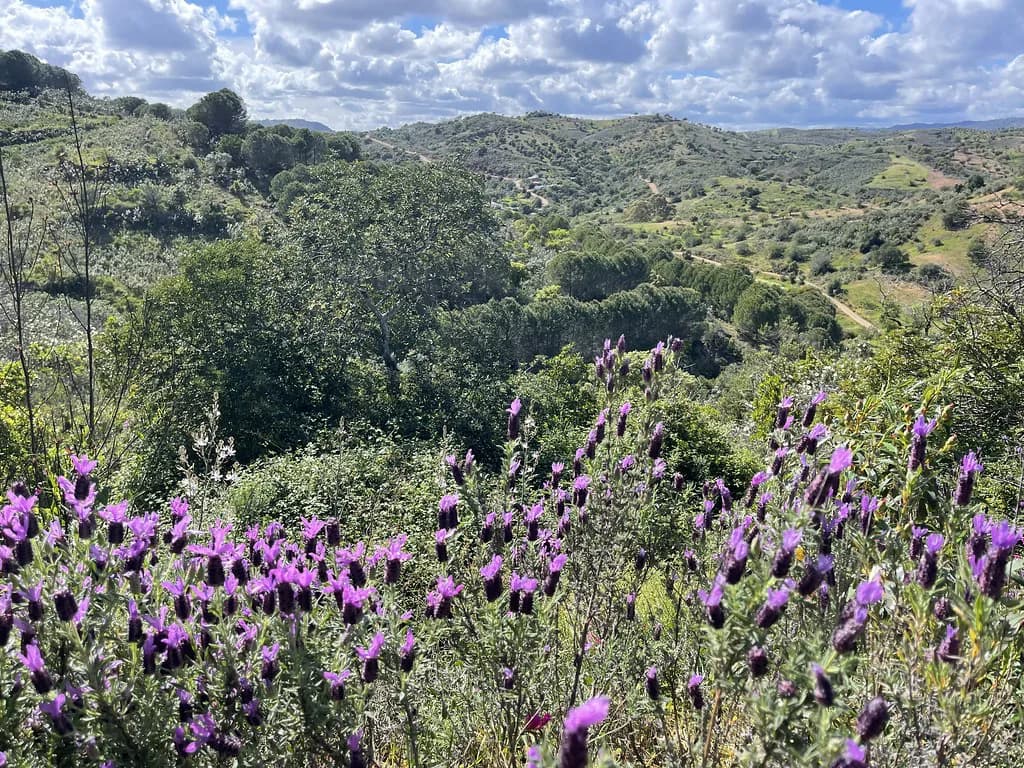
March is the coolest spring month and the least predictable, sitting between the Algarve's mild winter and the warming trend of April. Days can be pleasantly mild in shelter and distinctly chilly in the wind, and the region is at its greenest, with wildflowers on the cliffs and water still running in the barrocal valleys.
Plan March around activities that work in changeable conditions: the cliff paths near Praia da Marinha, the castle gardens at Tavira, and inland drives to Monchique. Expect some restaurants and beach bars in smaller villages to be running reduced hours before the season properly starts, and check directly with any boat operator you want to use.
Weather in April
April averages a daytime high of 20.7°C (69°F) and a night-time low of 12.4°C (54°F) at Faro, with 39.0 mm of rain spread across about 5.3 rain days, according to the 1991 to 2020 normals. In practice that means plenty of bright, mild afternoons good for walking and sightseeing, a few wet spells that usually pass through, and evenings that cool quickly once the sun drops.
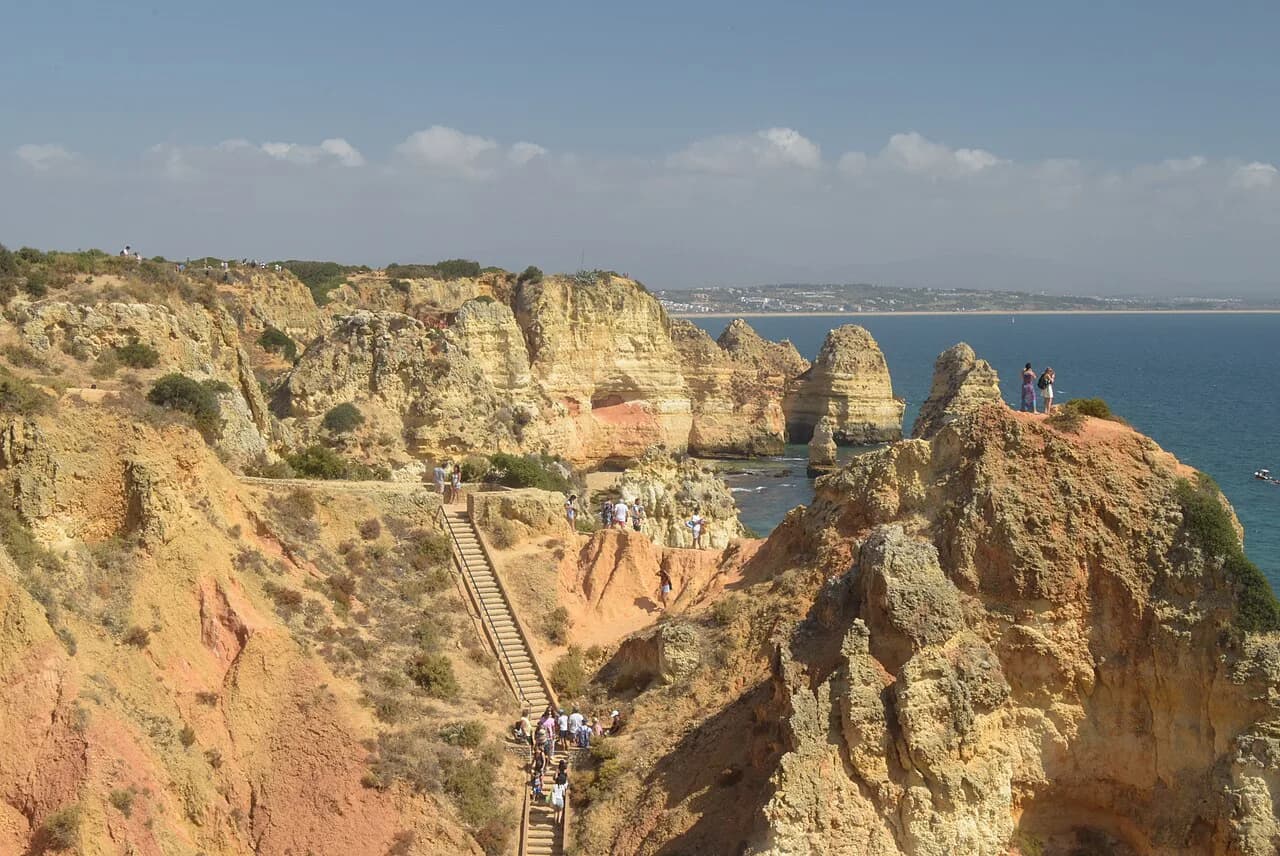
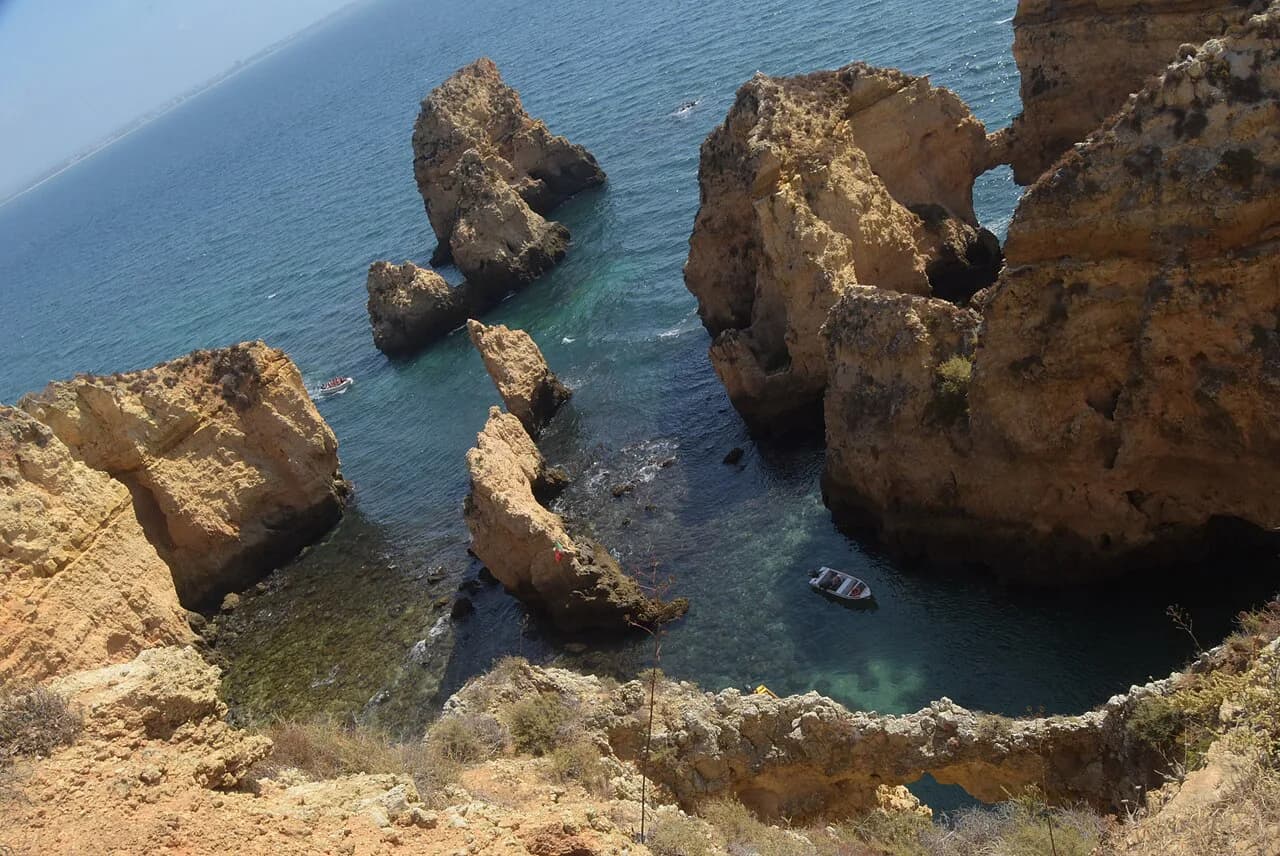
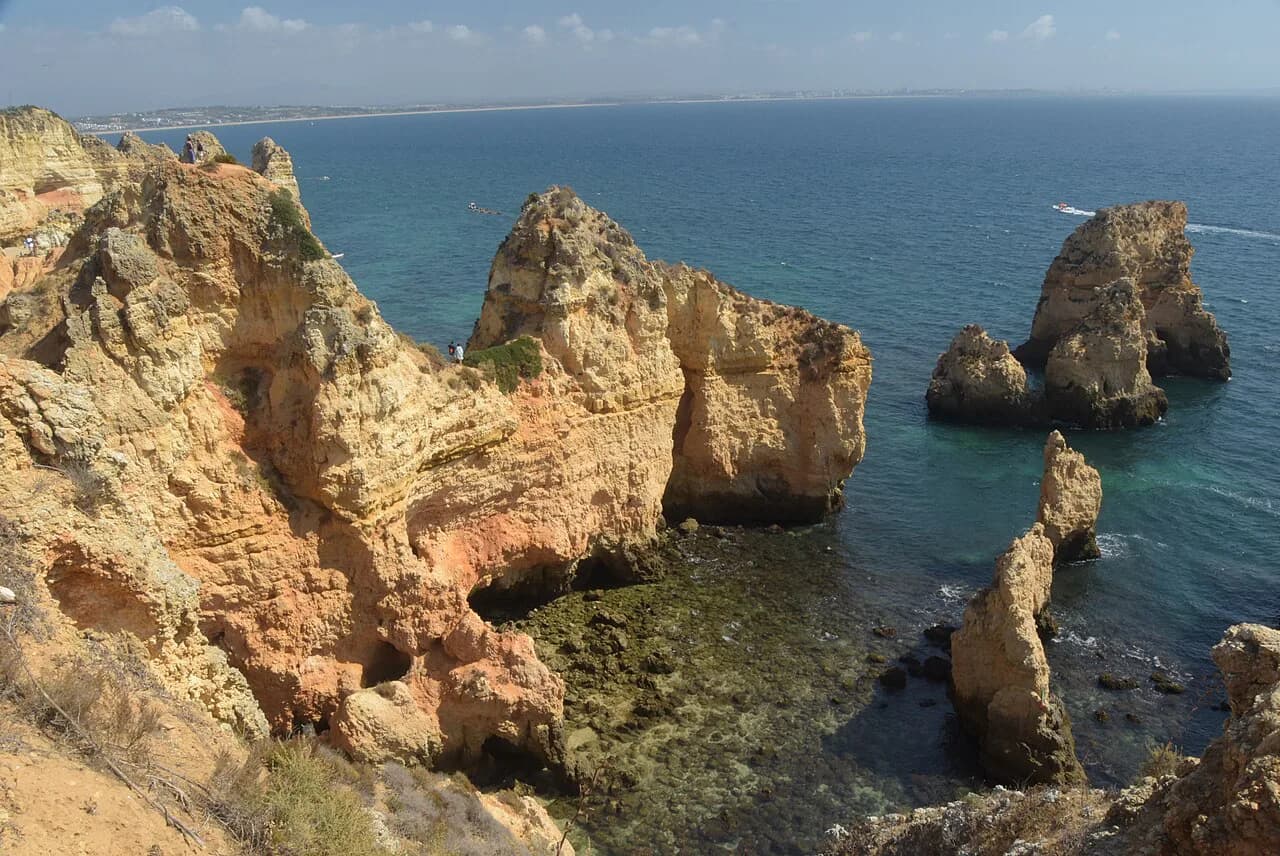
This is the month for the Seven Hanging Valleys Trail and the headland paths around Ponta da Piedade, when temperatures stay comfortable on exposed ground. Sea caves and boat trips depend on swell rather than rain, so build in flexibility. For a fuller month-by-month picture of conditions, queues and opening patterns, The Algarve in April goes deeper on what the month actually feels like.
Weather in May
May lifts the average high to 23.5°C (74°F) and the low to 15.0°C (61°F), with rainfall dropping to 26.2 mm over roughly 3.8 rain days on the same Faro record. That combination is close to ideal: warm enough for a terrace lunch in shirtsleeves, cool enough to climb to a viewpoint at midday, and dry enough that a week's trip rarely feels washed out.
May is when the Algarve feels properly open again: more restaurants running full menus, more boat trips running, and a livelier feel in towns such as Lagos, Tavira and Vilamoura without summer density. The catch is the sea, which warms slowly and still feels bracing to most swimmers. Travellers reporting on spring trips describe May as the month when the balance of warmth, space and open businesses is at its best.
Weather in June
June averages 26.8°C (81°F) by day and 17.8°C (64°F) at night at Faro, with only 5.1 mm of rain over about 0.8 rain days — effectively a dry month. Evenings become genuinely pleasant for eating outside, and the light lasts long enough for late cliff walks. Inland around Monchique and the barrocal, afternoon heat builds noticeably, so shift longer walks to the morning.
Late June starts to feel like summer rather than spring: busier beaches, fuller car parks and hotter afternoons. The sea is still catching up with the air, which surprises people who assume June means bath-warm water. If you want the fullness of summer with slightly more breathing room, early June is the better half of the month.
Early vs Late Spring
The difference between the start of March and the end of June is larger than the gap between any two adjacent months. Early March can feel like a cool extension of winter on exposed coast, with many seasonal places still quiet; by late June you are in a dry, hot pattern with busy resorts and long, warm evenings. The middle weeks of May sit closest to the ideal balance.
If your dates are flexible, aim for the second half of May or the first half of June. You get the warmth without peak-season crowds, and you avoid the Easter and bank holiday surges that bunch visitors into a few long weekends earlier in spring.
Spring Compared with the Months Either Side
Winter in the Algarve is mild rather than cold, and February often brings bright, crisp days with very few visitors, but evenings are cool and many coastal places run short hours. September, on the other side of summer, is warmer than spring and busier, with the sea at its most inviting after months of sun. Spring sits between the two: cheaper and quieter than autumn, warmer and livelier than winter.
If you are weighing the Algarve against other Mediterranean options for an early spring break, our guide to where is warm in Europe in April sets out which coastlines deliver reliably mild afternoons. The Algarve compares well on dryness in May and June, less well on sea warmth in April.
What Is Open
By late April and through May, most of the Algarve's seasonal economy is running: beach restaurants, boat trips to the caves, and the larger attractions. Smaller villages can still be quiet at the very start of spring, and some places keep shortened hours or close mid-afternoon until the season settles. Rather than assume, contact the operator or restaurant you have your eye on.
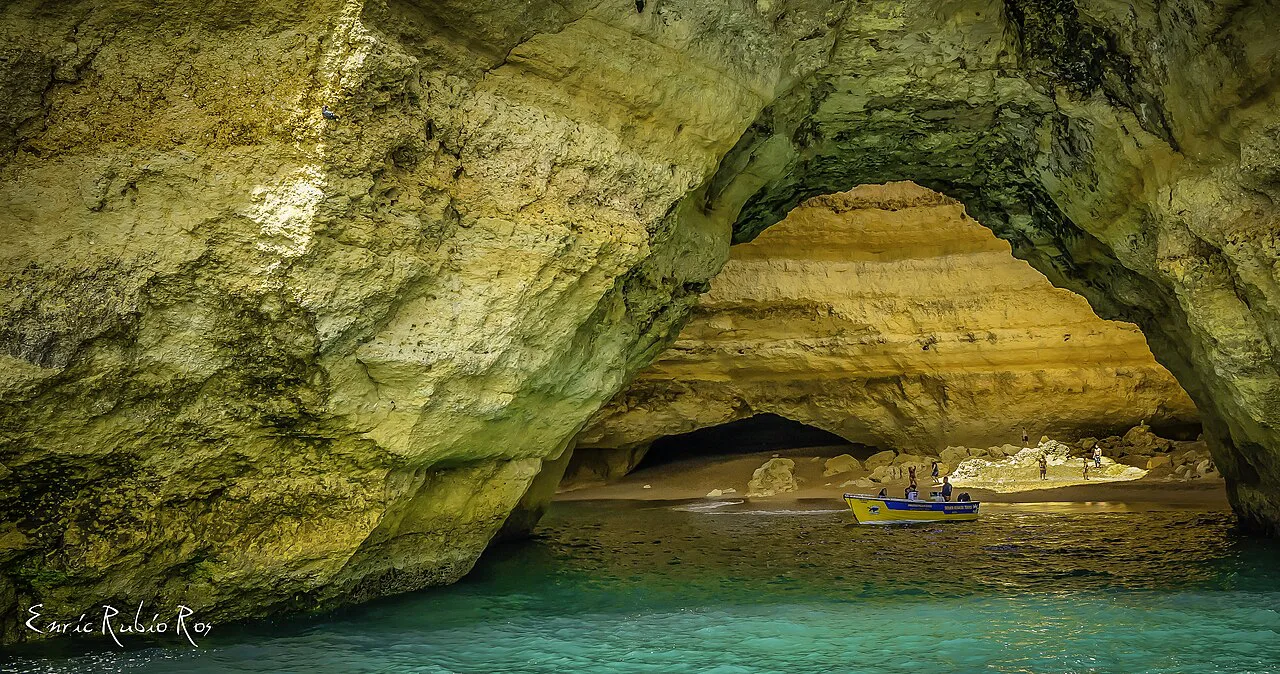
Boat and kayak trips to Benagil Cave are the classic spring activity, and they operate on conditions rather than a fixed calendar, so a windy day can cancel a booking even in a dry week. Book a day or two ahead and keep a flexible morning free. The caving and kayaking options are covered in more detail in our guide to Benagil Cave.
The Best Spring Weeks for Walking and Coastal Hikes
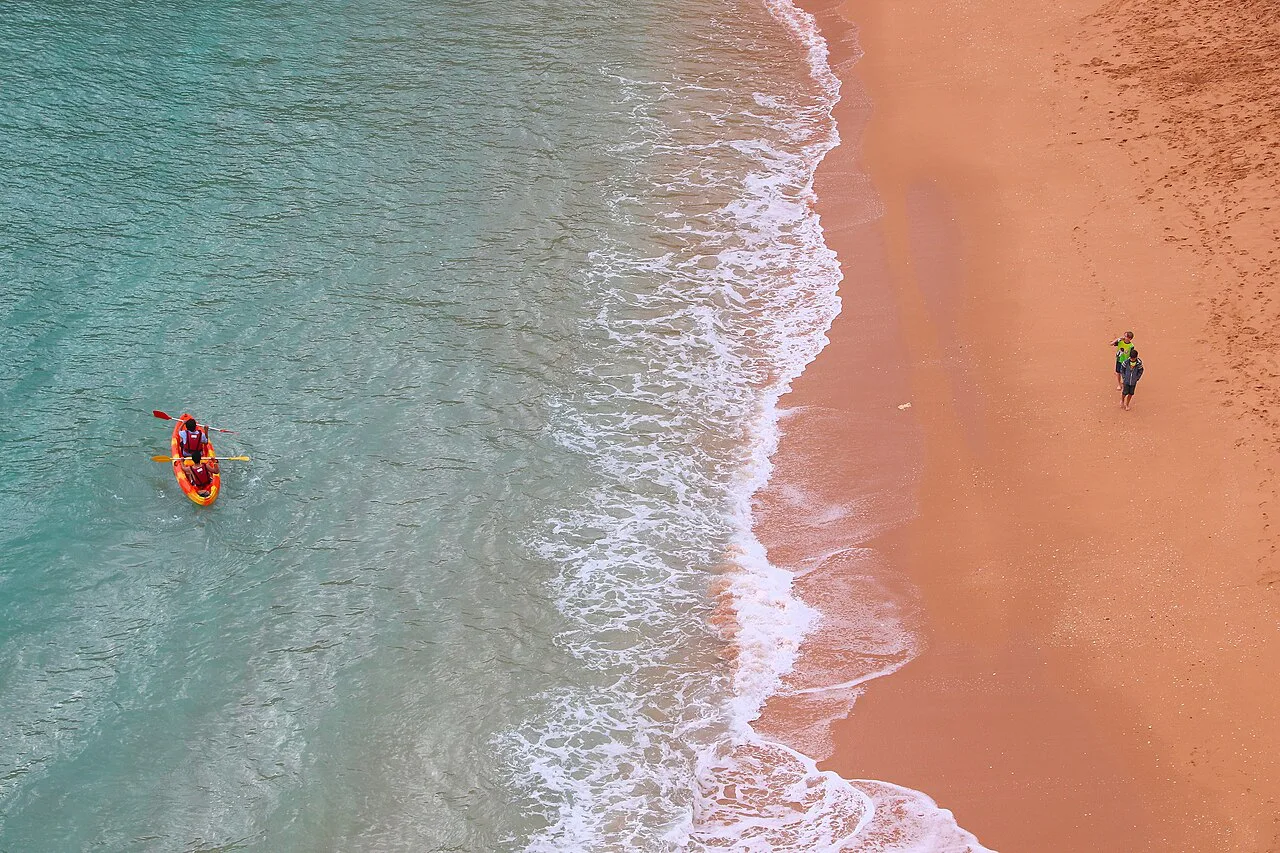
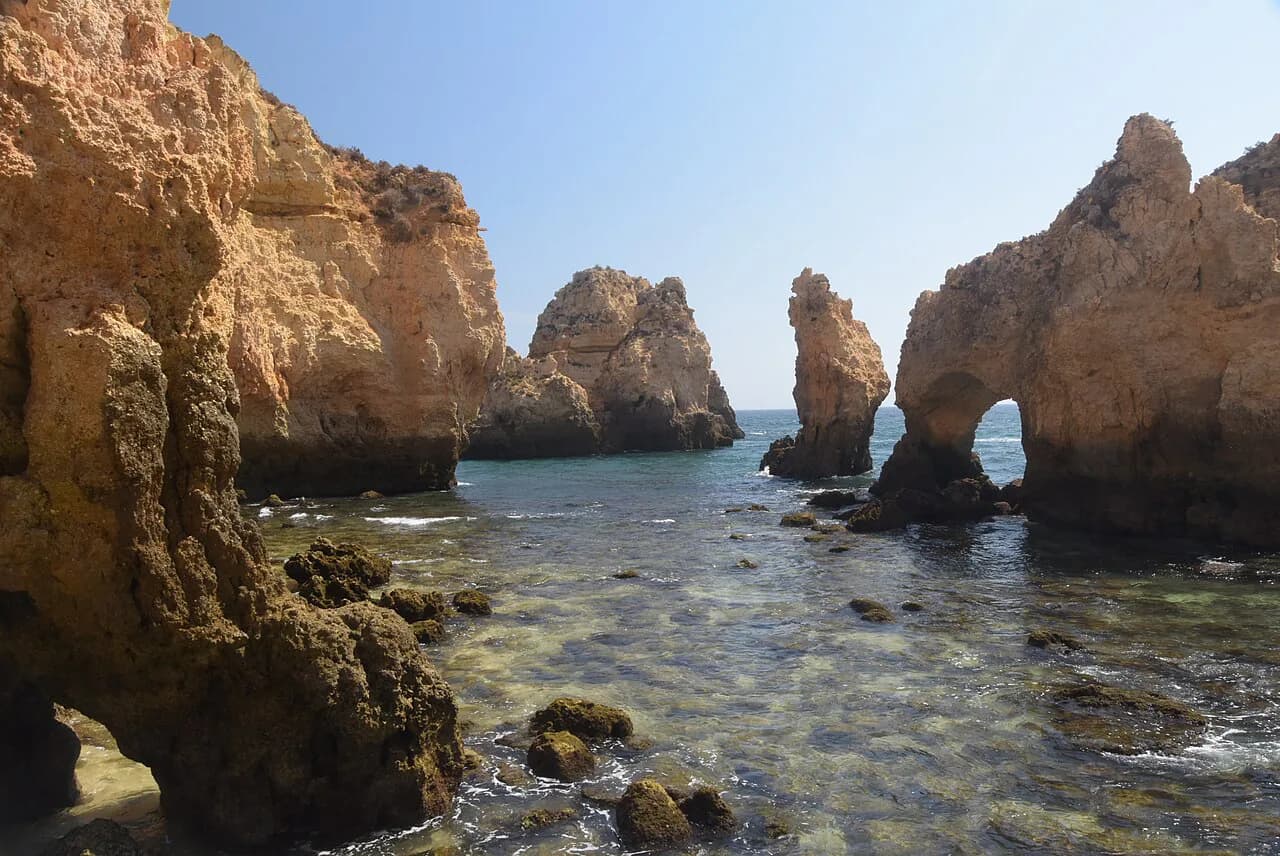
March, April and May are the walking months. The Seven Hanging Valleys Trail between Praia da Marinha and Benagil is best in April and early May, when temperatures stay in the comfortable range and the cliffs are flowering. Ponta da Piedade near Lagos gives you short, spectacular headland paths that work even on a half-day.
Wind is the real spoiler on the west coast. The stretch around Sagres and Cabo de São Vicente catches Atlantic breezes that can make a spring walk feel cold and unpleasant, so save the western cliffs for a calm forecast and walk the more sheltered eastern Algarve when the wind picks up. Early morning is usually calmer than afternoon on exposed ground.
Named Places That Suit Spring
Tavira in the eastern Algarve is the most rewarding spring town: quieter than Lagos, with a walkable centre, riverfront gardens and ferries to the sandbar beaches. Lagos has the better base for coastal walks and boat trips, while Sagres and the western coast suit anyone who wants big Atlantic scenery and empty paths, provided they accept the wind.
Inland, Monchique and the barrocal hills are at their best in April and May, when the roads are quiet, the air is clear and the cork and citrus country is green. Stop for a long lunch in a hill village rather than treating the interior as a drive-through. Albufeira and Vilamoura are busiest and least spring-like in character, though they work well as a base for families.
Food in Season
Spring is a strong season for eating in the Algarve. Markets fill with broad beans, peas, asparagus, strawberries and early stone fruit, and the region's fish and shellfish stay excellent throughout. Look for grilled sardines and other catch of the day on restaurant boards, and for inland dishes built around kid, lamb and wild greens in the hills around Monchique.
The seasonal shift in restaurants matters more than any single dish: in March and early April, some kitchens are still on winter hours and short menus, while by May the full range is on offer and terraces are in use. That change alone is a good reason to push a food-led trip towards May.
Crowds and Prices
March and April are the quietest spring months outside Easter week, and accommodation is generally cheaper and more negotiable than in summer. The Easter period and the May bank holidays bring short, sharp surges, particularly in Albufeira, Lagos and Vilamoura, and popular restaurants and excursions fill faster those weekends. Half-term weeks in late May and early June lift family demand further.
By June, prices and crowds climb towards summer levels, particularly on the coast. If you want the quiet version of spring, book late April or mid-May rather than the holiday weekends.
April or May in the Algarve?
Choose April for walking, sightseeing, photography and quiet towns, accepting that a wet spell or a cool evening is possible and that some places will still be on reduced hours. Choose May for outdoor lunches, boat trips, longer beach time and a livelier holiday, with warmer evenings and a lower chance of rain.
If you are deciding between the two months for a specific plan, a side-by-side comparison of April and May will help you judge whether the extra warmth and openness is worth the slightly higher prices and busier weekends, and our Algarve in May guide sets out the month in full. Either month beats July and August for comfort on foot.
The Verdict
For most travellers, mid-May is the best spring week in the Algarve: average highs around 23.5°C (74°F), dry days more often than not, and enough seasonal businesses open to make the region feel alive without summer crowds. April is the choice for hikers and sightseers, March for anyone who wants solitude and green hills, and June for beach time if you can handle the heat building and the rising prices.
If a full beach holiday is the goal, look further south and east rather than hoping the Algarve's spring sea will warm early. If you want to combine coast and hills in comfortable temperatures, spring in the Algarve is close to unbeatable, provided you plan around wind and cool evenings rather than rain.
Plan Your Spring Trip
Pick your month by what you want to do rather than by the calendar: April and May for hiking and sightseeing, May and June for terraces, boat trips and beaches, March for quiet coastal walks. Build in a flexible day for a boat trip and a backup plan for a windy afternoon.
Check individual operators and restaurants for their spring hours before you commit to a tight schedule, since places that run reduced hours in March and April can change their timings at short notice. Beyond that, the region is easy to plan around: distances are short, roads are quiet outside the holiday weekends and there is always an inland option when the coast turns windy.
More Algarve spring guides
Frequently Asked Questions
How warm is the Algarve in spring?
Typical daytime highs climb from mild in March to 20.7°C (69°F) in April, 23.5°C (74°F) in May and 26.8°C (81°F) in June on the 1991 to 2020 averages for Faro. Nights are noticeably cooler, from 12.4°C (54°F) in April to 17.8°C (64°F) in June, so spring afternoons feel much warmer than evenings.
Is the Algarve warm enough in April for the beach?
April afternoons regularly reach a comfortable 20.7°C (69°F) average, which is enough for sheltered beach time and a sun lounger, but the wind and cool evenings mean it is not a guaranteed beach holiday. The sea lags well behind the air, and wet spells can interrupt a week, so treat April as a walking and sightseeing month with beach bonuses.
What is the best month to visit the Algarve in spring?
May suits most trips: average highs of 23.5°C (74°F), fewer rain days than April and most seasonal restaurants and boat operators running again. April wins for hikers and sightseers who want quiet towns, while June delivers the most reliable sunshine at the cost of summer-level crowds and building heat.
Is early May a good time to go to the Algarve?
Early May sits between the Easter surge and the late-May half-term weeks, so towns and coast paths are usually calm while most places have opened for the season. Expect warm afternoons, cool evenings and a sea that still feels cold; the first week of the month is a strong choice for walking, sightseeing and outdoor lunches.
Does it rain much in the Algarve in spring?
Rain falls away quickly through the season: roughly 39.0 mm over about 5.3 rain days in April, 26.2 mm over 3.8 days in May and only 5.1 mm over about 0.8 days in June at Faro. Wet spells in April tend to pass through rather than settle in, and wind is often the bigger constraint on coastal plans.
Is everything open in the Algarve in April and May?
Through May most of the seasonal economy is running, including beach restaurants and boat trips, but early spring is patchier: smaller villages can be quiet and some kitchens keep winter hours. Water parks and unheated outdoor pools open on their own schedules, so contact the venue directly if a particular attraction matters to your trip.
Is the Algarve busy at Easter?
Easter week brings the first real surge of the year, with fuller accommodation, busier restaurants in Albufeira, Lagos and Vilamoura, and excursions booking up faster over the long weekend. Outside those days, March and April stay unusually quiet, which makes the weeks either side of Easter the calmest of the spring.
Sources
Spring sun notes
Optional updates when we add destinations and months.
You might also like
Continue reading
More guides you'll find useful