Best Time to Visit the Algarve: Month-by-Month Weather Guide
May, June and September are the best months for the Algarve: warm days, dry skies and quieter resorts. April suits walkers and sightseers most.
On this page
For most travellers the best time to visit the Algarve is late May, June or September, when daytime temperatures sit comfortably in the low to high twenties and rain becomes rare. May and June edge it for value; September keeps summer warmth after the school holidays clear out. April is the connoisseur's month for walking and sightseeing, but evenings stay cool and the sea lags well behind the air. Algarve in april has the full picture.
What decides it is not whether the Algarve is warm, but what you plan to do in that warmth. Sitting on a beach, rambling the cliffs above Salema or touring the inland villages of Alte and Silves each point to a different month. The figures below are typical conditions from the 1991-2020 climate normals for Faro Airport, not a forecast.
What the Algarve delivers by month
The Algarve runs along Portugal's southern coast from the Spanish border near Tavira to the Atlantic tip at Sagres, with the wooded Serra de Monchique behind it. This geography matters for timing: the sheltered south coast is warm and calm, while the western coast around Aljezur and Odeceixe takes the full Atlantic wind. Inland hills run a few degrees cooler than the beach towns.
Broadly, spring builds steadily from March to May, summer peaks in July and August, and autumn stays warm well into October. The official IPMA normals for Faro Airport capture the shape clearly: April averages 20.7 °C (69.3 °F) by day falling to 12.4 °C (54.3 °F) at night, May climbs to 23.5 °C (74.3 °F) and 15.0 °C (59.0 °F), and June reaches 26.8 °C (82.0 °F) and 17.8 °C (64.0 °F).
Rain tells an even sharper story. April sees around 39.0 mm over 5.3 rain days, May drops to 26.2 mm across 3.8 days, and June almost closes the door with 5.1 mm over 0.8 days. If dry skies are your priority, June onwards is the safe bet.
If you are weighing the Algarve against other Mediterranean options, the warmest places in Europe in April are mostly further south, which is why the Algarve rewards patience. Give it until May and it holds its own against most of the Aegean.
Weather in spring: March to May
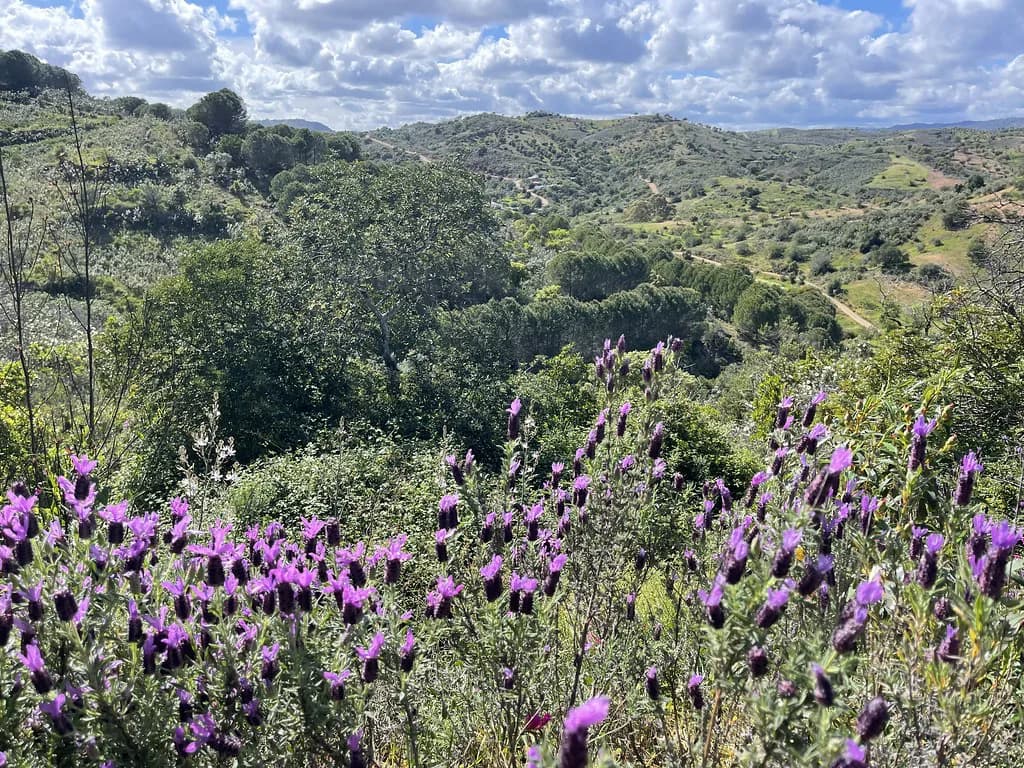
Spring arrives early here compared with northern Europe. March still feels unsettled, with showers and cool evenings, but by April the days are pleasant for walking and the countryside is at its greenest. Spring rain leaves the Serra de Monchique and the inland valleys lush, and the orange blossom is out around Loulé and Silves.
April is the classic month for hikers and cyclists. Daytime highs near 21 °C (69 °F) make long stretches on the Rota Vicentina or the Via Algarviana genuinely comfortable, and the resort towns are still quiet. The trade-off is that evenings drop to around 12 °C (54 °F), so dinner outside needs a layer.
May is the turn. With highs around 23 °C (74 °F) and rain days down to under four, it suits almost everything except committed sunbathing and swimming, since the Atlantic is still cold. It is also the month when coastal businesses start opening for the season in earnest, though you should treat early May as a soft launch rather than full summer service.
Weather in summer: June to August
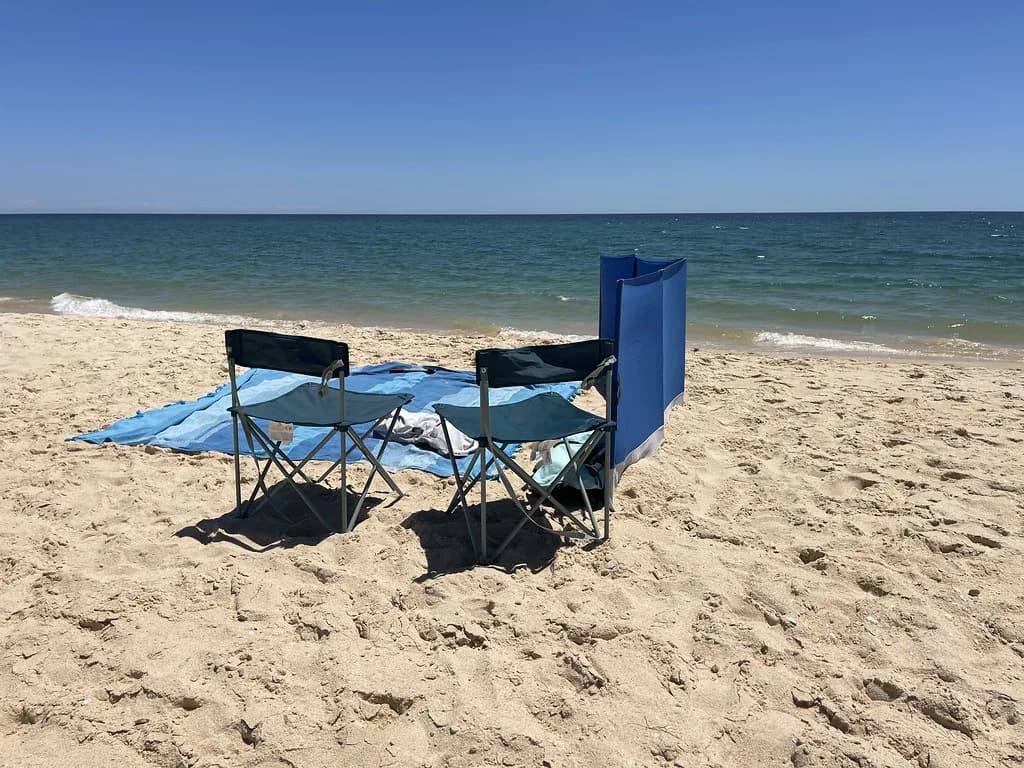
June is the pick of the summer months for many visitors. The IPMA normals show highs of 26.8 °C (82.0 °F), nights around 17.8 °C (64.0 °F) and barely any rain, which means reliable beach weather without the August crush. The sea finally starts to cooperate, and beach clubs and boat trips are running properly.
July and August bring real heat and the busiest weeks of the year. Resorts along the south coast fill up, prices peak, and parking near the popular cliffs and beaches becomes a trial. It is the time for early starts and shaded afternoons, not long midday walks.
The west coast offers some relief in high summer, with the Atlantic breeze keeping Sagres and the beaches around Aljezur cooler than the sheltered south. That breeze is also the honest drawback: it can be strong enough to make a beach day feel bracing rather than balmy.
Weather in autumn: September to November
September is the quiet winner of the whole year for many repeat visitors. Summer warmth lingers, the sea is at its most inviting after months of sun, and the crowds thin noticeably once schools return. It is the month to combine lazy beach days with inland touring without breaking a sweat.
October remains genuinely pleasant, with mild days and a relaxed pace, though rain returns in spells and evenings cool. By November the Algarve turns quieter and wetter, still mild by northern European standards but no longer a beach proposition.
Autumn is also a strong month for walkers who missed spring. The trails are drier underfoot than in April, the light is softer for photography along the cliffs, and the countryside takes on its second green season.
Weather in winter: December to February
Winter is mild but wet, the greenest season and the quietest. Daytime highs sit around 16 to 17 °C, which makes it fine for golf, walking and city stays, but you cannot count on beach weather. This is the low season for prices, and many coastal restaurants and hotels run reduced hours.
If your aim is guaranteed sun, winter is the wrong call; head further south or east. If your aim is a gentle, affordable break with countryside walks and good food, the Algarve in winter delivers.
April and May: walking, wildflowers and green hills before the crowds
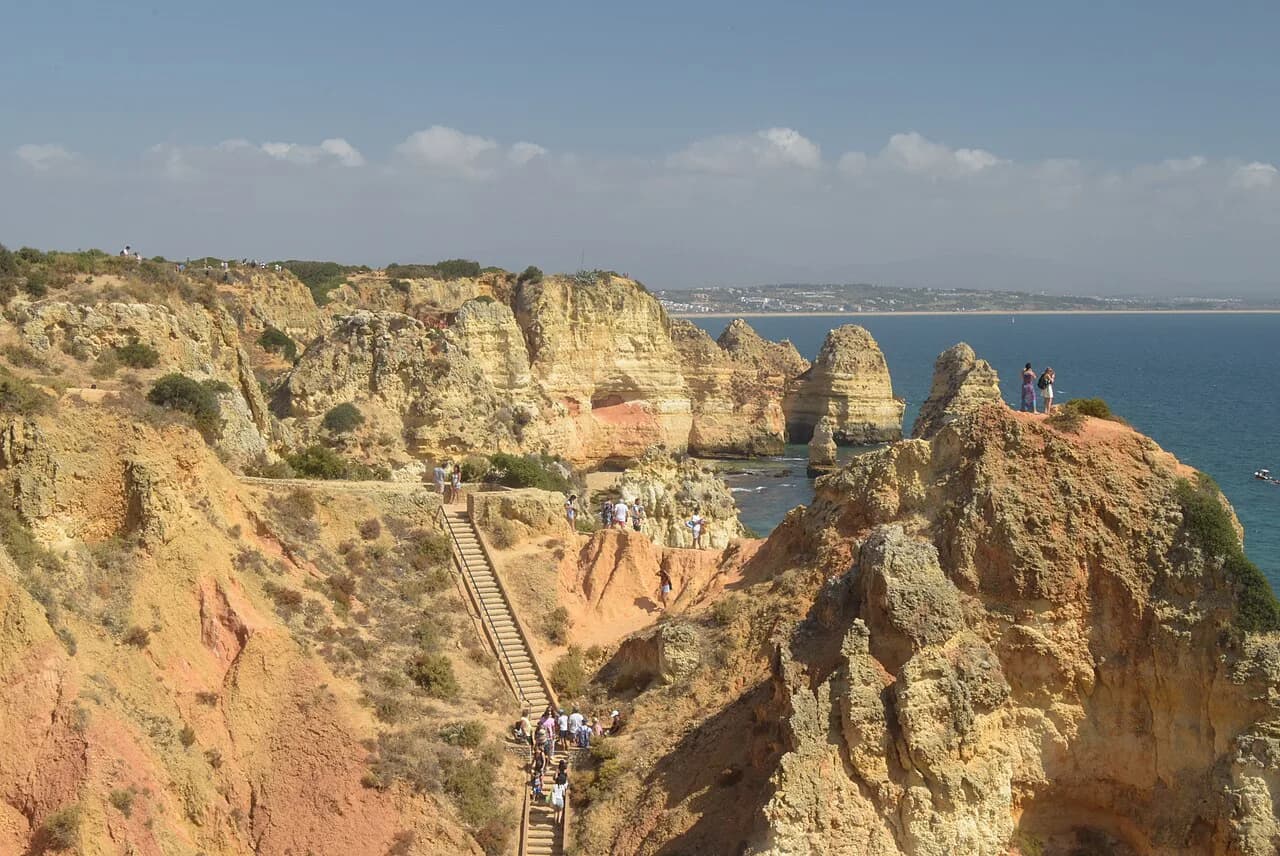
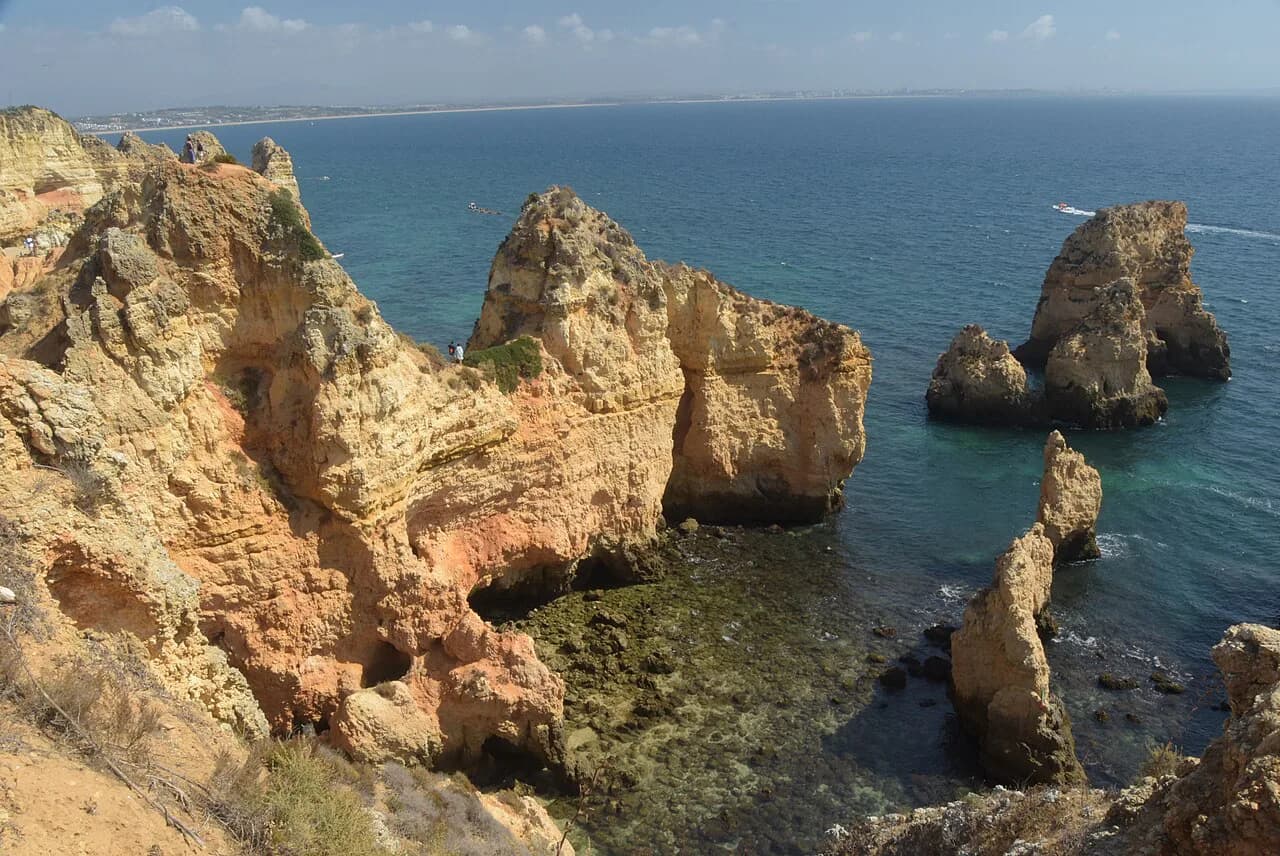
April is the month to explore rather than lounge. The Ria Formosa Natural Park behind Faro and Olhão is at its best, with birdlife busy and the barrier islands reachable by ferry from Olhão. The cliffs above Ponta da Piedade near Lagos and the coastal path between Salema and Burgau are comfortable day walks at this temperature.
Inland, the Serra de Monchique and the pretty hill town of Alte reward a slow day out, with views across the serras and quiet lanes. The countryside is flowering, and roadside cafés do a good lunch trade at local prices.
If April is your month, plan walking and sightseeing around the middle of the day and keep evenings indoors or layered. For a fuller picture of what suits the month, our guide to the things to do in the Algarve in April covers the practical side.
May builds on April's green hills with warmer days and drier skies, and the first real beach afternoons become possible. The trade-off is that early May can still spring a cool spell, and the sea stays chilly, so treat swimming as a bonus rather than the plan.
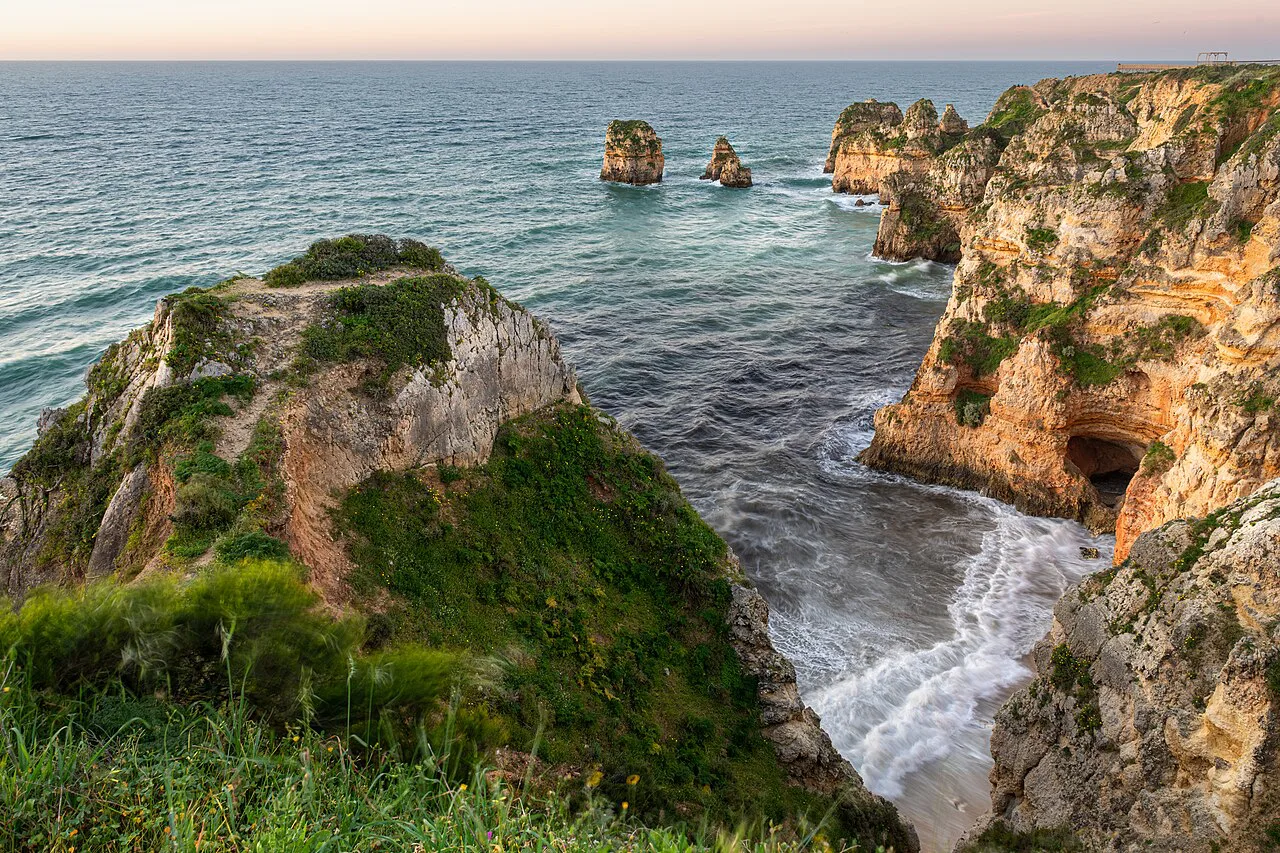
June: summer conditions without the July crush
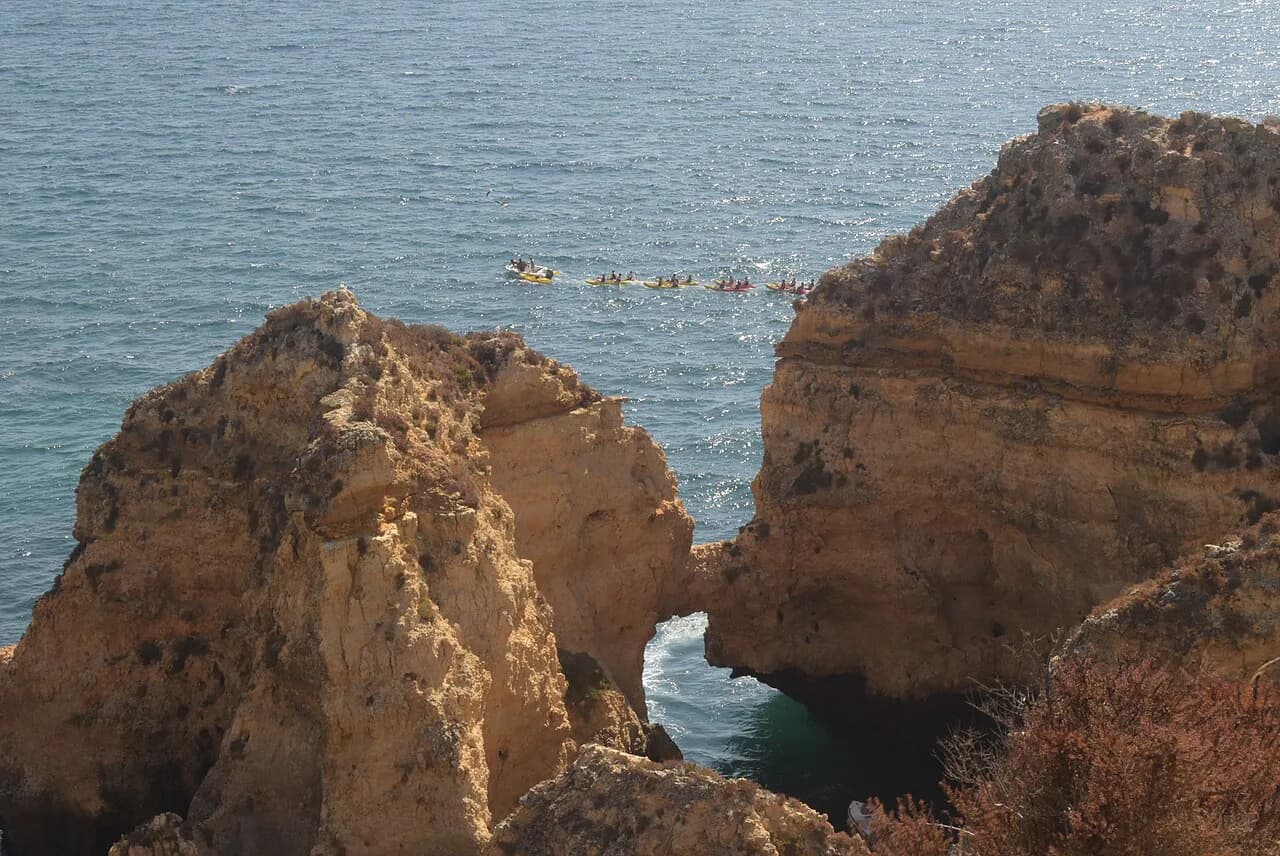
June is the best all-round month for a first Algarve trip. Days are warm and dry, the sea has warmed, and the coast is fully open without the peak-season pressure. Ponta da Piedade and the Benagil sea caves are busy but manageable, and boat trips run on a full schedule.
Beaches such as Praia da Marinha show why June is worth the earlier booking: the water is finally inviting and the cliffs are at their most photogenic in clear light. Evenings are warm enough for outdoor dining without a jacket, a clear step up from May.
For a detailed plan of what to see and do, our guide to the things to do in the Algarve in June covers the coast and the inland options. It is also worth noting that school holidays in the UK and much of Europe start later in June, so early and mid-June are noticeably calmer than the last week.
July and August: heat, crowds and the busiest weeks
High summer is hot, dry and crowded, with the south coast resorts at their fullest. Prices are at their highest and the popular sights, from the Benagil cave to the Ponta da Piedade boardwalk, are best visited early in the morning. If you come in July or August, build your day around the coast at dawn and shade at midday.
The heat is real but manageable near the water, and the west coast around Sagres and Cabo de São Vicente stays cooler thanks to the Atlantic breeze. The honest drawback is wind: it can turn a beach afternoon into a sandblasting, so plan for flexibility.
August is the month to book well ahead if you want the coast at its liveliest. If your priority is quiet, the same heat is available inland with far fewer people, though the serras are cooler and the beaches a drive away.
September and October: summer warmth, fewer people
September is arguably the best month of the year: summer conditions without the crowds. The sea is at its warmest after a full season of sun, the resorts are relaxed, and the light is golden for photography along the cliffs. It suits couples and families with older children especially well.
October brings milder days and the return of rain spells, but it remains a lovely month for inland touring and coastal walks. The crowds are gone, restaurants are quieter, and the green returns to the hills. It is a strong choice for sightseers who do not need beach heat.
If your choice is between June and September, both are excellent. June has the longer days and the fresher feel; September has the warmer sea and the calmer towns.
Where to go in the Algarve by month
In April and May, base yourself near the Ria Formosa around Tavira or Olhão for birdlife and ferry trips, or inland around Silves and Monchique for walking. Lagos and the western Algarve suit spring cliff walks, while Salema and Burgau give easy access to quiet coastal paths.
In June and September, the central coast between Lagos and Albufeira is at its best, with Ponta da Piedade, Praia da Marinha and the Benagil area all within easy reach. The west coast around Aljezur and Odeceixe offers a wilder, windier alternative that feels a world away from the resort strip.
In July and August, head west for cooler air and fewer people, or inland for quiet villages and good food. The Algarve in spring is a different trip from the Algarve in high summer, so match your base to the season rather than picking a town and hoping.
Faro Airport makes the whole region accessible, with the south coast within an hour's drive and the west coast reachable in around two. That compactness is one of the Algarve's real advantages.
Crowds, prices and school holidays across the year
The crowd pattern follows the school calendar and the Easter break. Late March and April bring a spike around Easter, May brings UK bank holidays and half-term, and July and August are the busiest and priciest weeks of all. If you can move your dates by a fortnight either side of these windows, you will notice a real difference.
May, June and September give you the best balance of weather and value. April and October are cheaper and quieter but carry a higher chance of wet spells and cool evenings. Winter is the cheapest of all, but you trade beach weather for mild, quiet days.
Pricing is best judged in relative terms: July and August cost the most, shoulder months cost less, and winter costs least. Look at actual rates for your dates rather than relying on any seasonal rule of thumb.
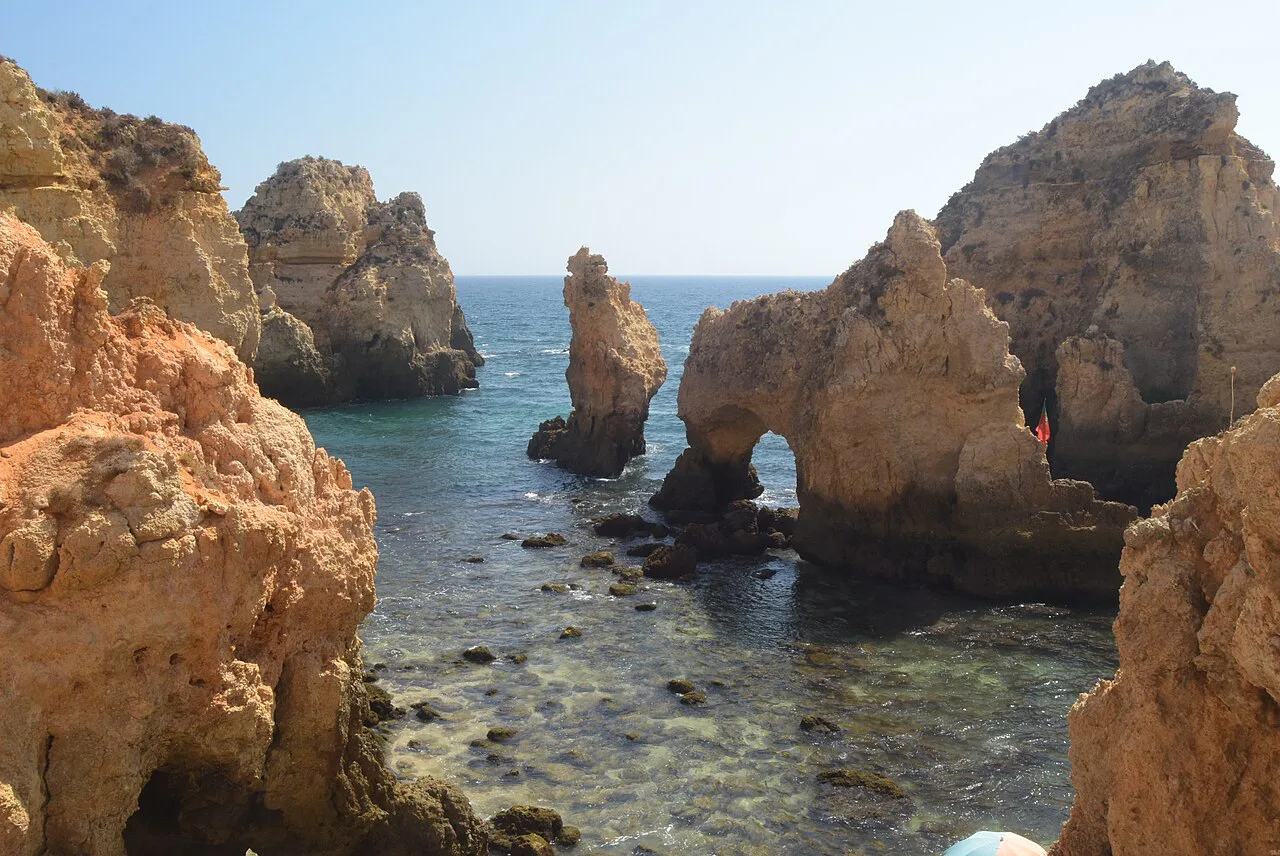
Is the Algarve warm enough for you? Matching the month to the trip
If your trip is about sitting on a beach and swimming, aim for June to September; the air is warm from May but the sea takes longer. If your trip is about walking, cycling and sightseeing, April, May and October are ideal, with comfortable temperatures and quiet trails.
Families with young children should think hard about July and August heat and crowds, and consider late June or early September instead. Couples and solo travellers who want atmosphere without the crush will find May and September the sweet spot.
If you need guaranteed warmth and cannot shift your dates, compare the Algarve with warmer options before committing. The Algarve rewards the traveller who matches the month to the plan, not the other way around.
April or May?
April is quieter, greener and cheaper, with highs around 21 °C (69 °F) and cool evenings. It is the better month for hill walking, birdwatching in the Ria Formosa and inland touring, but beach days are unreliable and the sea is cold.
May is warmer, drier and more open for business, with highs around 23 °C (74 °F). It suits a mixed trip of walking, sightseeing and the first beach afternoons, and the evenings are comfortable. If you want one month that does a bit of everything, pick May.
The deciding factor is usually the sea and the evenings. For walking, April wins on quiet and greenery; for a broader holiday, May wins on warmth and choice.
June or September?
June gives you the longest days and a fresh, energetic feel, with warm air and the coast opening up for the season. September gives you the warmest sea of the year and a calmer, more relaxed atmosphere once the school holidays end.
Both months have warm days and dry skies, and both avoid the July and August crush. Choose June if you want long evenings and a sense of the season beginning; choose September if you want the sea at its best and quieter restaurants.
The verdict
For most people, the best time to visit the Algarve is late May, June or September. These months deliver warm days, dry skies and a coast that is open without being overwhelmed, and they make the region's mix of beaches, cliffs and inland hills easy to enjoy.
Choose April or October if you are travelling to walk, cycle and explore, and accept cooler evenings and a higher chance of rain. Avoid July and August unless you specifically want peak-season heat and atmosphere, and skip winter unless your priority is quiet and value over sunshine.
Plan Your Visit
Sort your trip by what you will actually do. Walking and sightseeing point to April, May or October; beach days and swimming point to June through September, with June and September the best compromise. Book early for the last week of June and all of August, when demand is highest.
Use the IPMA normals to set expectations, book with flexibility, and treat any given day as weather rather than climate. The Algarve is forgiving in most months, but the difference between April and August is what kind of holiday you get.
More Algarve spring guides
Frequently Asked Questions
What is the best month to visit the Algarve?
Late May, June and September suit most trips: warm days, mostly dry skies and resorts that are open without the July and August crush. June has the longest days, September the warmest sea. April and October are better for walking and sightseeing than for beach weather.
Is the Algarve warm all year round?
No. April, May and June are reliably mild to warm, and July and August are hot and dry. Winter is mild by northern European standards but wetter and cooler, so it works for golf, walking and city stays rather than beach days.
What is the rainiest month in the Algarve?
Rain is concentrated in late autumn and winter, with November and December among the wettest stretches. The IPMA normals for Faro Airport show rainfall dropping sharply from spring into summer, with June almost dry.
Is April a good time to visit the Algarve?
Yes, if walking, cycling and sightseeing are the point. Days are pleasant, the hills are green and the towns are quiet, but evenings are cool and the Atlantic is still cold for swimming. Beach-focused trips should wait for June.
Which is better, the Algarve in June or September?
June brings the longest days and a fresh, energetic feel as the coast opens for the season. September brings the warmest sea of the year and calmer towns once school holidays end. Both avoid the July and August crowds.
Can you swim in the Algarve in May?
The air is warm enough, but the sea lags behind and stays cold through spring. Treat May swimming as a bonus rather than the plan, and expect the water to become genuinely inviting by June and at its warmest in September.
Sources
Spring sun notes
Optional updates when we add destinations and months.
You might also like
Continue reading
More guides you'll find useful