Things to Do in Bologna in April: Porticoes & Food
Bologna in April pairs showery days with long portico walks and serious food. Here is what suits the month, who should wait for May, and how to plan.
On this page
April in Bologna is mild and often wet, and that shapes the whole trip. The city rewards travellers who plan around showers rather than against them, because 40 km of porticoes let you cross the historic centre largely under cover; our guide to Bologna in April sets out the wider weather context. Build your days around covered walks and markets and the month works well.
Rain usually arrives as sudden afternoon showers, and by mid-May the city settles into long days, open terraces and temperatures in the low 20s.
Weather in April
Expect an unsettled month rather than a washout. April is one of Bologna's wetter months, with sudden afternoon showers to be expected, and the pattern steadies as the season moves toward May. Mornings are often the driest window, so book outdoor plans early in the day and keep a covered option in reserve for after lunch.
The city sits at the edge of the Po plain, where spring rain can set in for a few hours at a time. Daylight is generous by April, so even a wet morning still leaves a usable afternoon. Treat the month as mild and changeable: comfortable for walking with a layer and a light waterproof.
Is April Warm Enough?
Yes, for sightseeing, walking and eating indoors. April suits city breaks, market mornings, museum afternoons and long portico strolls, and the weather is far kinder than July, when highs regularly climb above 32°C with real humidity in a centre with little tree cover. It is also gentler than the colder, greyer winter months.
It is not warm enough to count on outdoor dining every evening or to plan a walking trip around clear views. Anyone whose trip depends on terrace dinners, long warm evenings or dry hill paths should aim for mid-May onward. If warm weather is the main prize rather than mild weather, look at where it is warm in Europe in April and compare southern options before committing. Couples and families who want civilised sightseeing in uncrowded streets will find April works.
Early vs Late April
The month firms up as it goes. Early April keeps more of the wet, unsettled feel, while late April edges toward the conditions the city enjoys in May, when the days lengthen and terraces start to open. Easter and the school holidays fall somewhere in this window and are the busiest stretch, so book tours and tables ahead.
If your dates are flexible, late April gives you a better chance of dry afternoons for San Luca and the hills. For a sense of how the next few weeks develop, our guide to Bologna in May explains the shift to open terraces and low-20s warmth.
Walk the Porticoes and Climb to San Luca
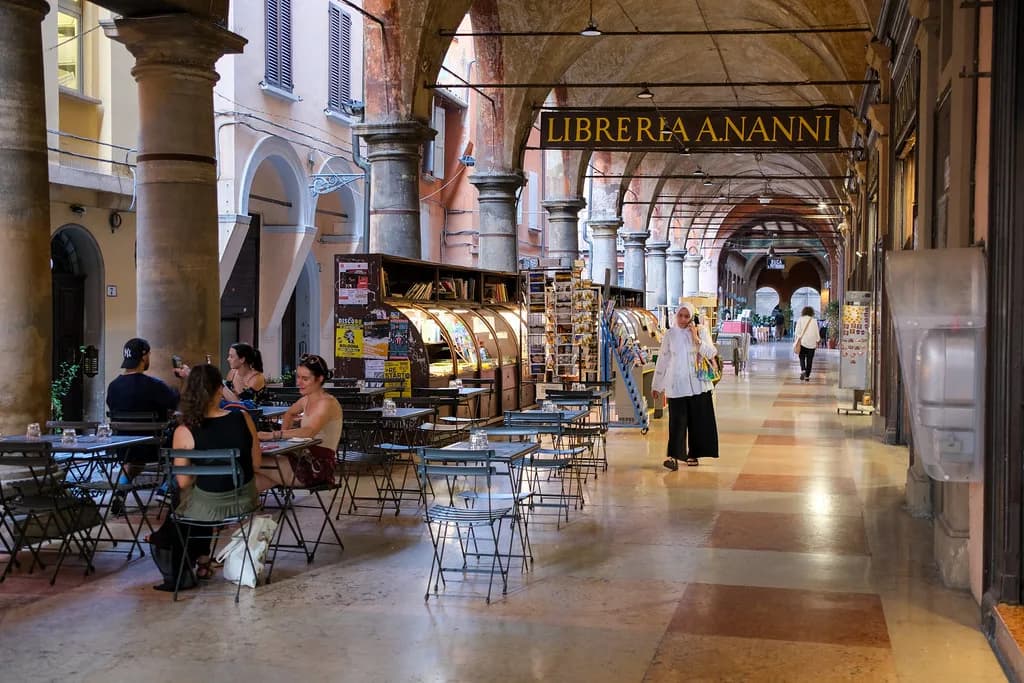
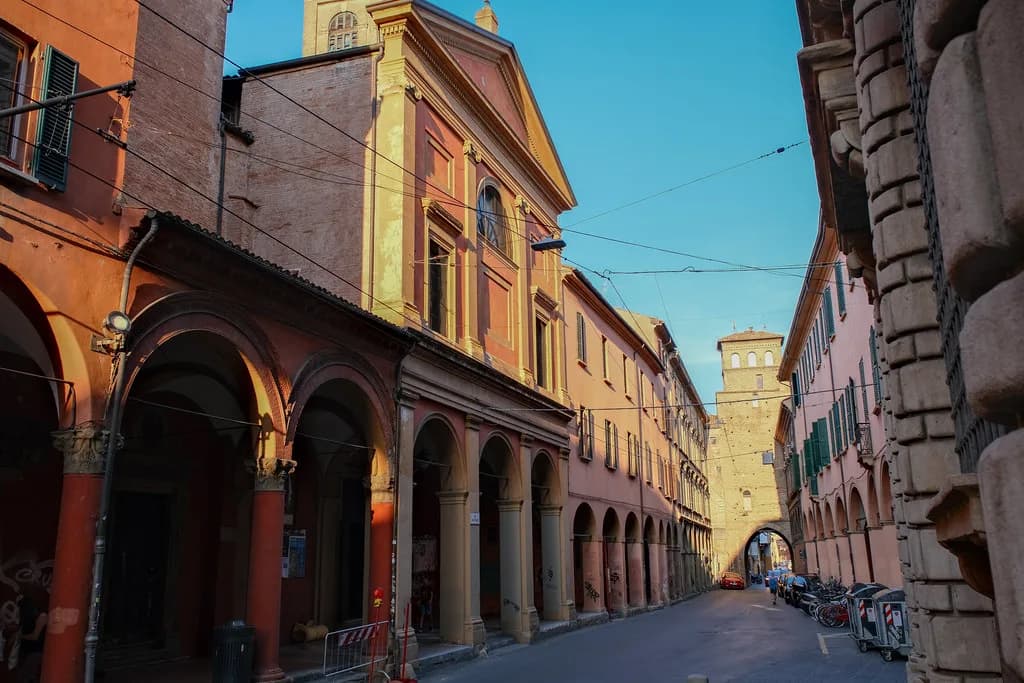
The UNESCO-listed porticoes are Bologna's defining experience and the reason a wet April day still works. There are close to 40 km of arcades, built between the Middle Ages and the early 20th century in styles ranging from original wooden roofs to Renaissance columns, and they shelter you from both sun and rain. The Portico di San Luca runs 3.8 km with 666 arches uphill to the sanctuary, and the view back over the terracotta rooftops is the reward. Walk it early, before the heat and crowds build, and avoid it after heavy rain when the climb is slippery.
On showery days, walk a section of the arcades and duck into a café when the rain sets in. The porticoes of Piazza Maggiore, the original wooden arcades of Via Marsala and those around Piazza Santo Stefano are good short routes that link sights rather than acting as separate outings.
Piazza Maggiore and San Petronio in Showers
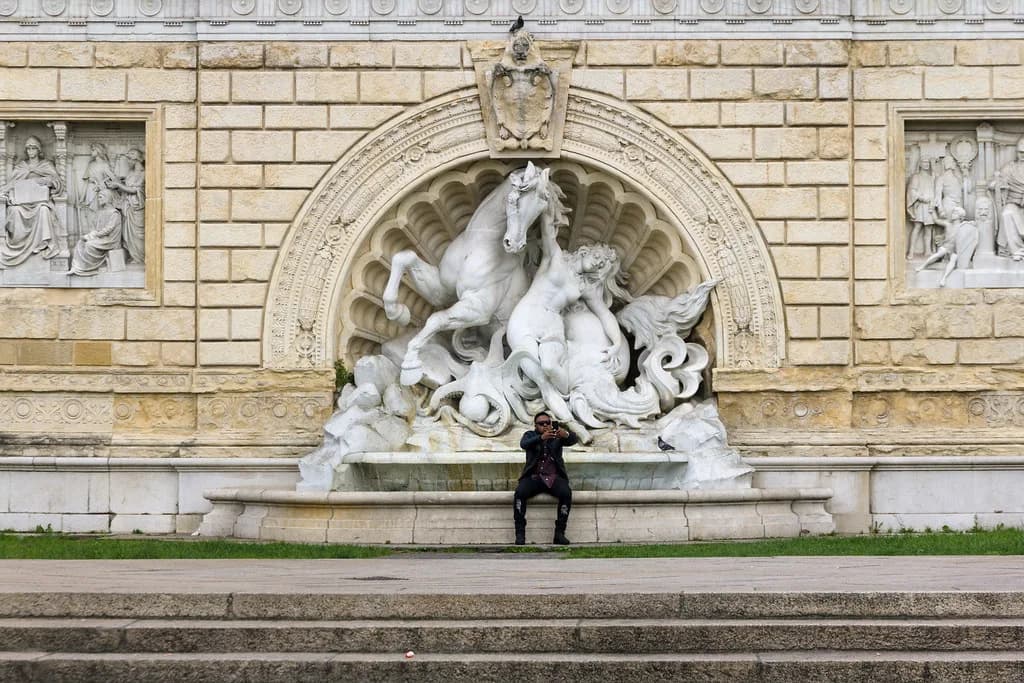
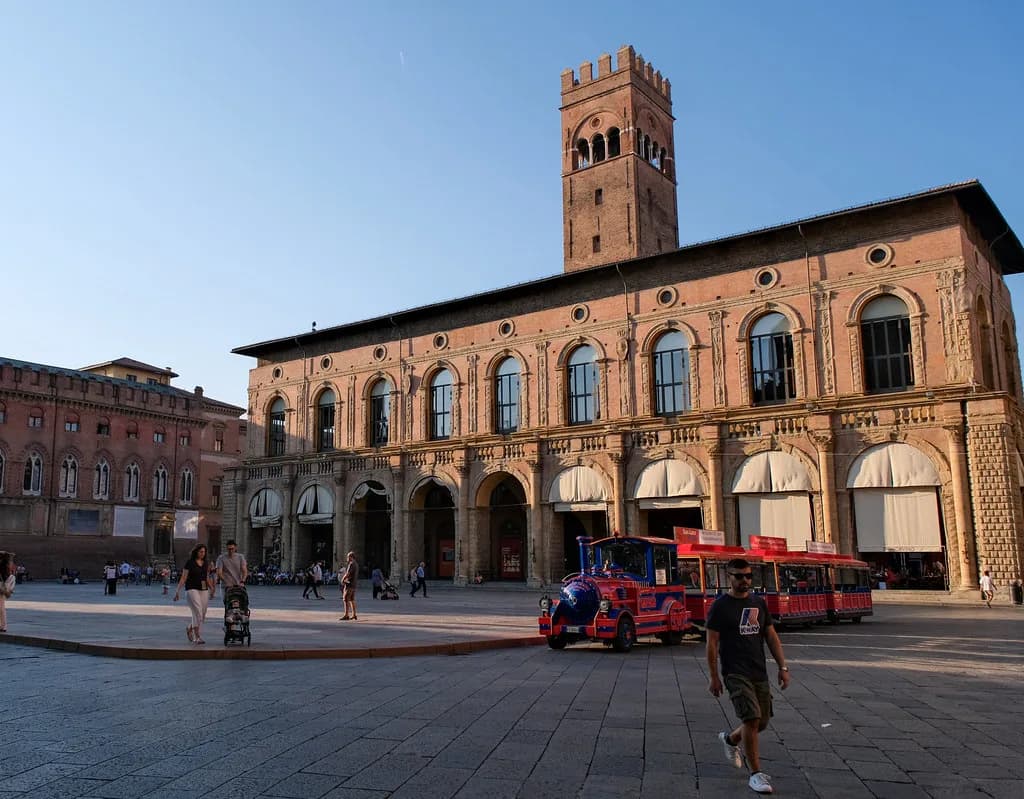
Piazza Maggiore is the beating heart of the city, ringed by historic palaces and the Basilica of San Petronio. Its unfinished facade is one of Bologna's most striking sights, and the square around it is the natural starting point for a day in the centre. The Fountain of Neptune, erected in the 16th century, sits at the centre and is a good meeting point.
In April, come here in the early evening for the passeggiata, when locals take their stroll and the light on the terracotta buildings turns gold. Showers briefly empty the square; step under the arcades that ring it and wait a few minutes rather than abandoning the plan. If this is the heart of your visit, our guide to things to do in Bologna in May shows how the same square feels warmer and busier a month later.
Eat Around the Quadrilatero and Mercato delle Erbe
Bologna is Italy's gastronomic capital, and April is a good month to eat seriously. Start in the Quadrilatero, the medieval market district, for butchers, fishmongers, cheese stands, produce sellers and small wine bars, then move to the covered Mercato delle Erbe, where part of the market has become a food court and is ideal on a wet afternoon. These two markets anchor any food-focused day in the city centre.
Order the local classics: tagliatelle al ragù (never spaghetti bolognese), tortellini in brodo, pumpkin tortelli and mortadella. A solid trattoria serves two courses plus wine for around €25 to €30 per person, and weekend evenings get busy under the arches when the weather is good. A guided food tour pays off here, because it explains which market stalls have stayed in the same family for generations and how tortellini are folded.
Covered and Indoor Options for Wet Afternoons
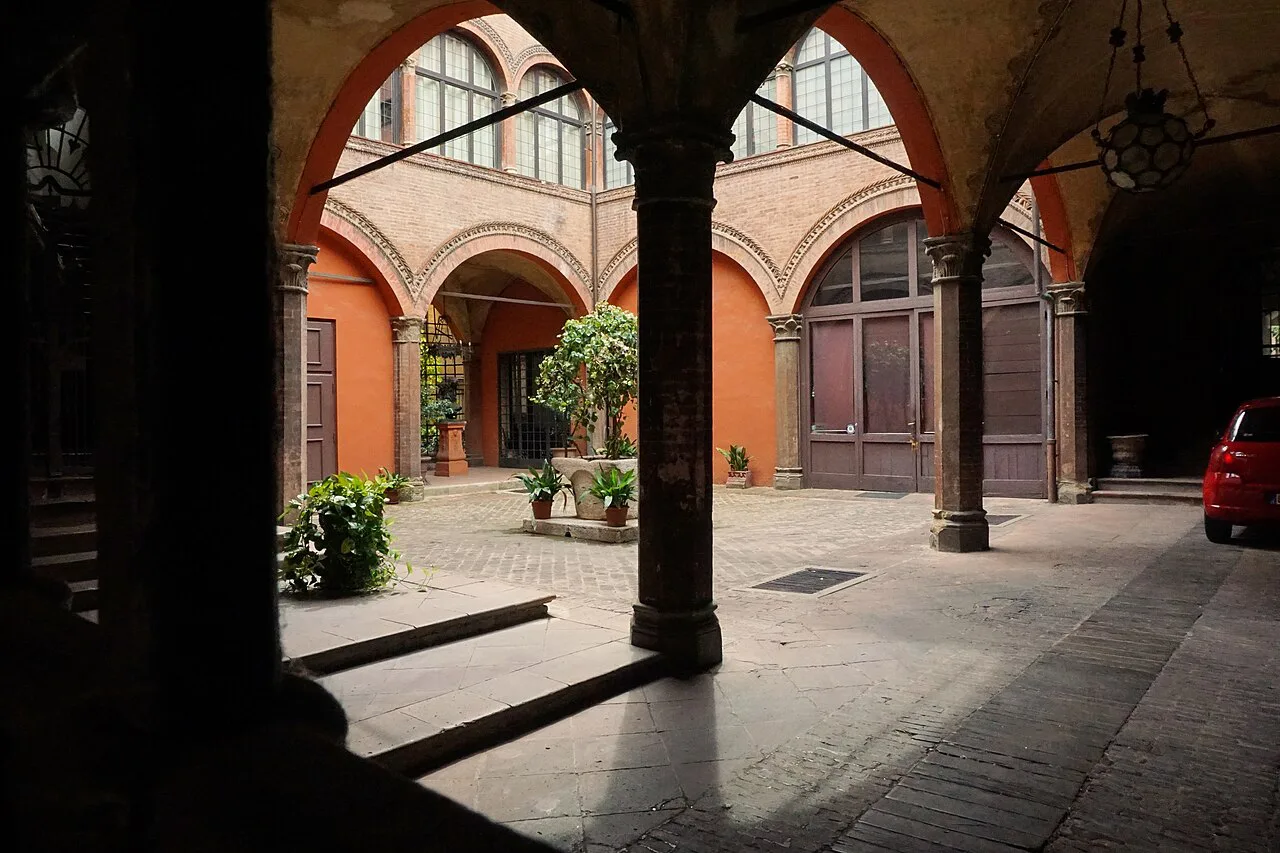
Save the indoor hours for the wettest part of the day. The Archiginnasio Anatomical Theatre is a 17th-century hall of carved wood once used for anatomy lectures, and admission covers several historic university rooms; Santo Stefano's complex of Seven Churches is free and open daily, though its timetables can shift around religious functions and holidays. Both suit a wet afternoon.
Add the museums: MAMbo for modern art, the Museo della Storia di Bologna in a medieval palace, the National Gallery for Raphael and Tintoretto, or the Museo Ducati and the Ferrari Museum just outside town if engines appeal. The Archiginnasio and Santo Stefano work in the same day and are within easy walking distance under the arcades.
Le Due Torri and the View from the Torre dell'Orologio
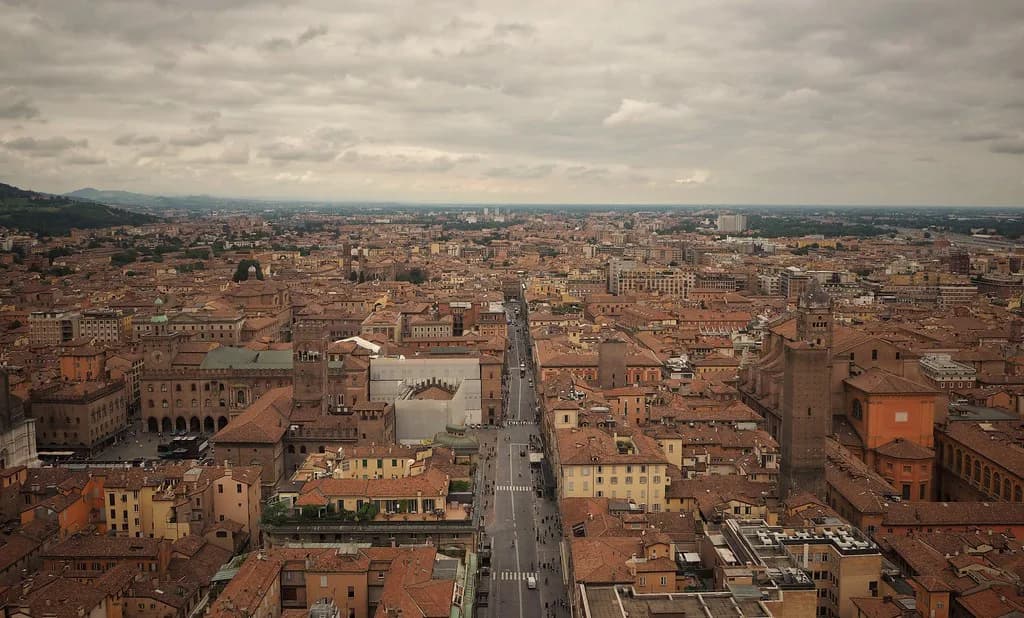
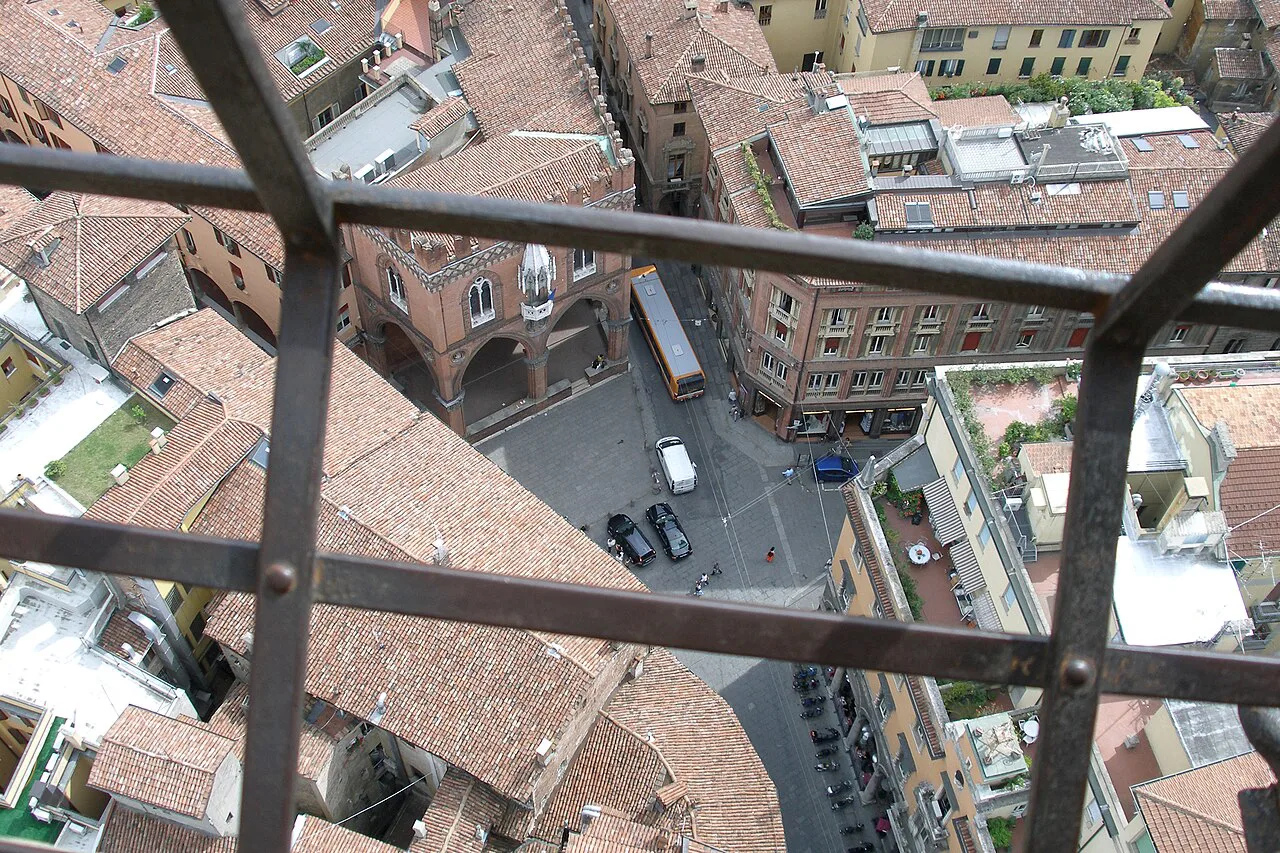
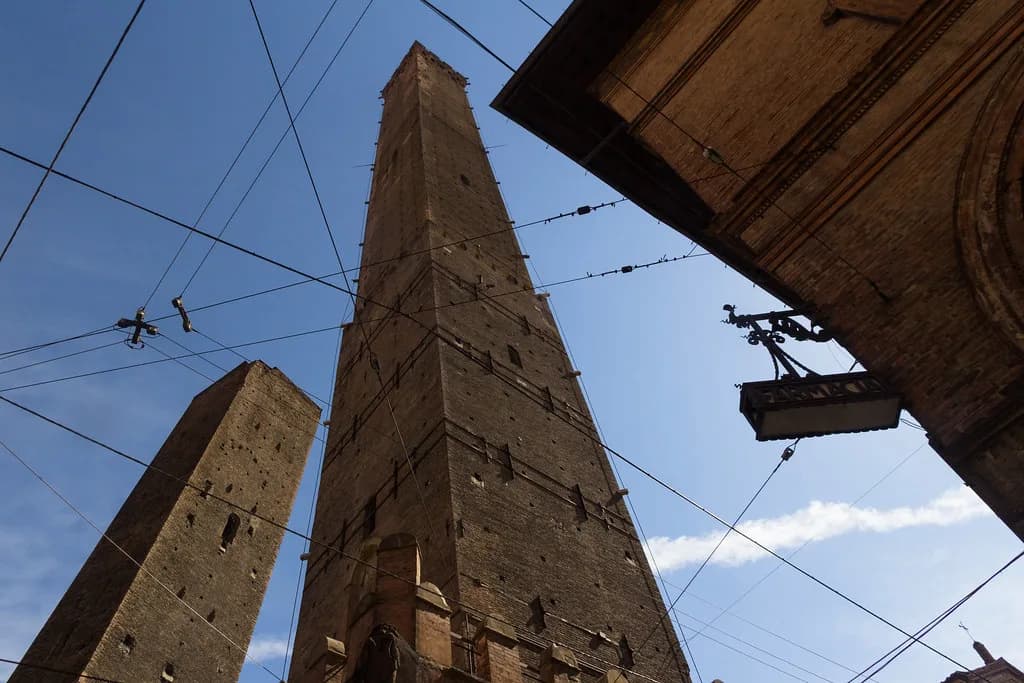
The two remaining towers, the Asinelli and the Garisenda, are Bologna's defining image. The Torre degli Asinelli is closed to visitors while work secures the Garisenda, and no confirmed reopening date has been published. Climb the Torre dell'Orologio instead for a 360-degree city view; the ascent is far shorter than the 498 steps of the Asinelli and includes admission to the museum next door, with tickets at €10.
Go late in the day if you want the softened light on the terracotta roofs. On a showery April day, a tower climb makes sense as a scheduled slot; you can step out for the view and retreat down if the sky opens. For confirmed opening times and ticket availability, check the venue's own site before you travel.
Green Space and the Hills
Giardini Margherita is the city's largest green space and suits a dry afternoon or a picnic lunch. Pick up provisions in the markets and walk out to the park rather than planning a full day around it. San Michele in Bosco and the terrace at San Luca give a different view over the red roofs and, in April, a greener one than midsummer.
The hills around the city are best on dry days; after rain the paths are muddy and the views hazy. Check conditions before making a long walk, and keep the hills as an alternative for whichever day stays clear rather than the backbone of the trip.
Day Trips that Work in April
Choose a wet-weather-friendly day trip. Parma, a short train ride from Bologna, is the natural first choice, and it works for cheese and prosciutto tastings plus the cathedral, with samples at both the dairy and the ham factory. Modena, its balsamic vinegar and the Ferrari museum, plus Ferrara's Estense Castle, with adult tickets at €12 and reductions for students and families, cover the castles and food angles, whichever the weather does.
The mosaics of Ravenna also shine in any weather, and a guided tour covers five UNESCO monuments. For a hill town that does not depend on sunshine, Dozza uses its medieval walls as a canvas for contemporary murals. Leave the wine-country drives to a day when the roads and views are clear, and check Trenitalia schedules rather than assuming they fit a tight itinerary.
What Is Open in April
The sights that matter most in April are covered or indoor, so the month works despite the showers. The porticoes, markets, churches and museums all run through the period, and the Torre dell'Orologio gives an alternative to the closed Asinelli. Restaurant terraces and the outdoor tables of the Quadrilatero are the variable part: expect the city to set them up as the season warms, not in the first days of April.
Crowds and Prices
April sits in the middle: busier than winter and quieter than July and August, when arrivals around Piazza Maggiore and the towers become genuinely crowded. Easter and school holidays are the pressure points, along with weekends under the arcades. Book tours and popular dinners ahead of those dates rather than deciding on the day.
The city compares well with Italy's headline destinations, and Bologna Welcome Card pricing is a good benchmark: the Easy card is €35 and the Plus card €55, both valid for 15 days from activation. A trattoria plate costs around €8 to €14, so two courses plus wine for €25 to €30 is realistic, and the street food scene feeds students cheaply. For current prices, check the Bologna Welcome Card site and the restaurants' own websites before booking. For a warmer version of the same trip, see things to do in Bologna in June.
Honest Drawbacks
April's rain is real: the porticoes help, but a wet afternoon will still cut a day short, and the porticoes' shelter does not extend to the parks or the hills. The closed Asinelli Tower removes the classic Bologna viewpoint, and the Torre dell'Orologio is smaller. Evenings are cool, so outdoor dinners come with a jacket, and the terraces are only just opening.
April or May?
Choose April for covered sightseeing, market mornings and a quiet city without summer heat. Choose May, or later, for terrace dinners, long evenings and long walks in the hills without mud. Families tied to the school holidays will find April crowded around Easter, so book tours and tables early, and treat the rain as the reason to build in indoor options.
Plan Your Visit
A short April break works best with a mixed plan: porticoes and San Luca on a dry morning, the Quadrilatero and the covered markets for lunch, and a museum or the Torre dell'Orologio for the afternoon downpour. Save Piazza Maggiore's evening passeggiata for whichever day stays clear, and check the venue's own website for opening times and the confirmed status of the Asinelli Tower.
Anyone who needs warm evenings and outdoor dinners should choose May or June instead. For the official travel advice, check the government travel page for Italy, then build the itinerary around the weather rather than the other way around.
More Bologna spring guides
Frequently Asked Questions
Is Bologna warm in April?
Mild rather than warm. April is one of the city's wetter months, with sudden afternoon showers, and the settled, low-20s conditions arrive closer to mid-May. It is comfortable for walking and sightseeing with a layer, but not for relying on balmy evenings outdoors.
What can you do in Bologna in April when it rains?
Lean on the covered city: the porticoes let you cross much of the historic centre dry, the Quadrilatero and the covered Mercato delle Erbe handle a wet lunch, and the Archiginnasio Anatomical Theatre, Santo Stefano and the museums fill an afternoon. The Torre dell'Orologio gives a city view in a short climb.
How many days do you need in Bologna?
Two days covers the essentials at a brisk pace: the porticoes, Piazza Maggiore, the markets and one viewpoint. Four days is the better fit in April, leaving room for San Luca on a dry morning, a museum afternoon when showers set in, and a day trip to Parma or Ravenna.
Can you climb the towers in Bologna?
The Torre degli Asinelli is closed while work secures the neighbouring Garisenda, and no reopening date has been published. Climb the Torre dell'Orologio instead for a 360-degree view over the rooftops, with a much shorter ascent and museum admission included.
Should you visit Bologna in April or May?
Pick April for quiet, covered sightseeing and lower-season prices, accepting showers and cool evenings. Pick May for open terraces, long evenings and dry hill walks. Families tied to Easter holidays get the busiest April stretch, so book tours and dinners ahead.
Sources
Spring sun notes
Optional updates when we add destinations and months.
You might also like
Continue reading
More guides you'll find useful