The Best Time to Visit Paphos: Month-by-Month Weather
Paphos is at its best from late April to June and again in September, with 22–28°C highs and almost no rain. Here is how the months really compare.
On this page
Late April to June is the best window for Paphos if you want warm, reliable sunshine without the ferocious heat of high summer. The west coast warms more gently than the east, which keeps spring comfortable and makes early summer the most balanced time for sightseeing, walking in the Akamas and long lunches by the harbour. September and early October run it close once the August furnace breaks.
If your priority is a beach holiday with dependable heat, June onwards delivers it; if you want to walk the coast and see the archaeological sites without wilting, April and May are far kinder. The trade-offs are real: spring evenings are cool, the sea lags behind the air, and pre-season openings on boat trips and at some seasonal restaurants are thinner than in July.
The Short Answer: Late April to June, or September into October
Treat late April to June as the prime slot. In April the typical daytime high at Paphos Airport is 21.8 °C (71 °F) and the night-time low 11.9 °C (53 °F), rising to 24.9 °C (77 °F) by day and 15.2 °C (59 °F) at night in May, then 28.1 °C (83 °F) and 18.5 °C (65 °F) in June. Sunshine climbs from 277.9 hours in April to 371.8 hours in June, so even the first month of the window is bright.
Those figures are long-term normals for 1991–2020, not a forecast, and they show a place where rain is barely a factor in the warm months: 15.2 mm of precipitation in April, 11.1 mm in May and 1.6 mm in June. April is the month most likely to throw a cloudy spell at you, but even then you can usually plan around it.
If you can travel outside school holidays, aim for the second half of May or the first half of June. You get settled weather, long days and a coast that is coming to life, without the crowds and heat of July and August.
Weather in Paphos by Month: The Climate-Normals Picture
Paphos sits on the south-west coast, and its airport station is the benchmark used here. Typical April conditions of 21.8 °C (71 °F) by day and 11.9 °C (53 °F) at night give way to 24.9 °C (77 °F) and 15.2 °C (59 °F) in May, then 28.1 °C (83 °F) and 18.5 °C (65 °F) in June, with rain shrinking from 15.2 mm to 1.6 mm across the three months.
Compare Larnaca on the east coast and the difference matters: April averages 23.0 °C (73 °F) by day and 12.1 °C (54 °F) at night, May 27.0 °C (81 °F) and 16.4 °C (61 °F), and June 30.6 °C (87 °F) and 20.1 °C (68 °F). Larnaca runs two to three degrees warmer by day in late spring, so if you want maximum heat early, the east has the edge.
The west coast's gentler build-up is an advantage for anyone planning to be active. A 28 °C afternoon in Paphos is comfortable for a coastal walk; the same day in Larnaca can feel closer to 31 °C, which pushes you towards shade and swimming rather than sightseeing.
Spring: April and May
April is the month for people who want warmth without heat. Days of around 22 °C (71 °F) suit the coast path towards Coral Bay, the ruins at Kato Paphos and the hill villages behind the city, while the countryside is still green and the light is soft. For a fuller picture of the month, including what is open and how busy it gets, see our guide to Paphos in April.
The catch in April is the evenings. A night-time low near 12 °C (53 °F) means you will want a layer after sunset, and outdoor tables are often quieter than the daytime streets suggest. The sea is also slower to warm than the air, so those planning to spend hours in the water should look at June or later instead.
May is arguably the single best month. Daytime highs reach 24.9 °C (77 °F), nights settle at 15.2 °C (59 °F), and 336.6 hours of sunshine make it exceptionally bright. It is warm enough for long days outside, cool enough to walk the Akamas without exhaustion, and dry enough that a rain plan is a formality rather than a necessity.
Use May for the things April makes awkward: boat trips along the coast, a full day at the archaeological park, and hikes that start early and end with a late lunch. The later in the month you go, the more the season feels open, though some seasonal places still run reduced hours before the summer rush.
Early Summer: June
June is where Paphos tips from pleasant into properly hot. The typical high is 28.1 °C (83 °F) with a low of 18.5 °C (65 °F), sunshine reaches 371.8 hours, and rain is essentially negligible at 1.6 mm for the month. That combination makes it the first month that genuinely suits lazy days by the water as well as active ones.
For families and anyone who wants evenings outdoors without a jacket, June is a clear step up from May. The downside is that the heat is now building, so sightseeing is best done in the morning, and the exposed ruins at Kato Pafos Archaeological Park become hard work by early afternoon.
June also marks the shift in the tourist calendar. The coast fills as schools in the UK and elsewhere approach their summer break, and the most popular stretches around Coral Bay and the harbour get noticeably busier towards the end of the month. If you want June's weather without June's crowds, book the first half.
High Summer: July and August
These are the months to be honest about. Paphos in July and August is hot, and the west coast's usual advantage over Larnaca narrows as both bake. Days are long and rain is practically absent, which is ideal for a pool-and-sea holiday and poor for anything that involves walking in the open at midday.
If you have school-age children and must travel in the holidays, this is when the island's tourist infrastructure is at full tilt: boats run, seasonal restaurants are open and the coast is lively. Accept that you will organise the day around mornings and evenings, and that the middle hours belong to shade and water.
Couples and sightseers with flexible dates should skip these weeks entirely. The same sunshine is available in June and September with far less heat and far more comfortable exploring, and the difference in how much you enjoy a site like the Tombs of the Kings is considerable.
Autumn: September and October
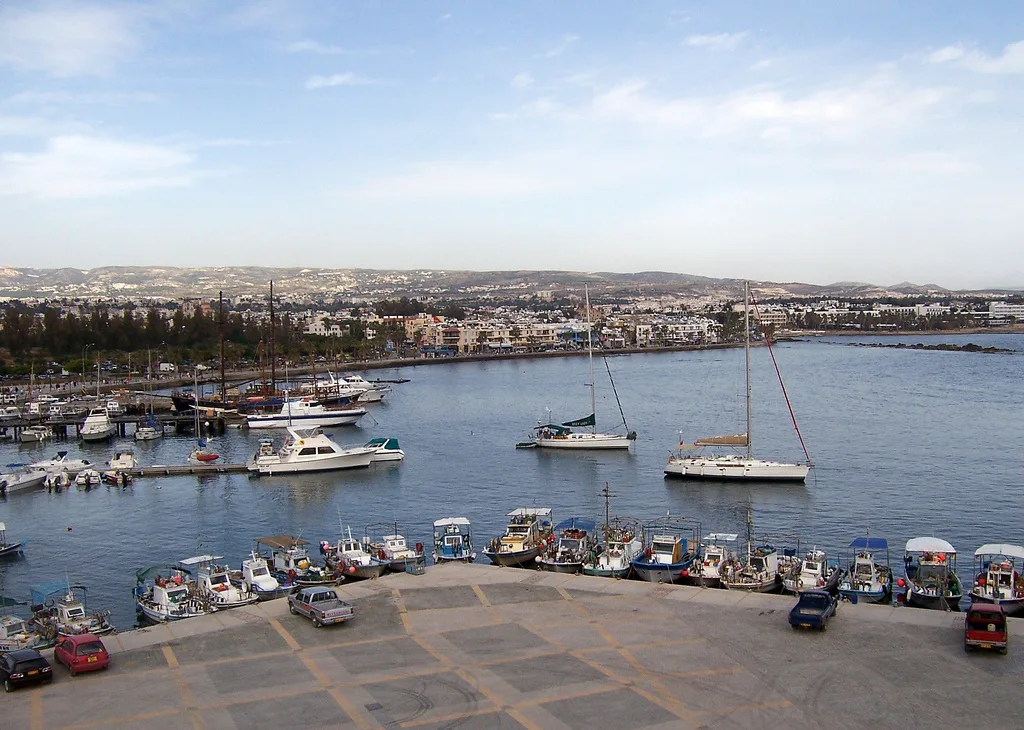
September is the connoisseur's choice. The August peak has passed, the sea has had a whole summer to warm, and days remain long and reliably sunny. It suits travellers who want summer conditions with slightly softer edges, and it is a strong option for anyone who found June's heat building too quickly.
By October you are back in shoulder-season territory: warm, comfortable days with cooler evenings and the first real chance of a shower. It is excellent for walking and sightseeing, and the coast is quieter than in high summer, though some seasonal places begin to wind down as the month progresses.
If you are comparing Paphos with the rest of the region, autumn is where the west coast holds its own. See where is warm in Europe in April for the spring equivalent, when the choice between Cyprus, the Canaries and southern Spain is much closer.
Early vs Late in the Month
Early and late in any month are different trips. In April, the first half can still feel like a cool spring, with brisk evenings and a chance of a wet day; the second half usually settles, and the light and warmth improve noticeably. Late April is the safer bet if you want to be outdoors every day.
May follows the same pattern but from a higher base. Early May is lovely and quiet, while late May is warmer, busier and closer to summer in feel, with the UK bank holidays and half term pushing up demand on flights and rooms. If your dates are fixed by school terms, expect to pay more and book earlier for that final week.
In June the shift is mostly about crowds and heat rather than weather. The first fortnight is the sweet spot: settled, sunny and still relatively calm, before the summer holidays begin to swell the coast. September works the other way round, starting busy and hot and easing as the month goes on.
Crowds and Price Level Through the Year
Paphos has a long season, and its busy periods are predictable. Easter, the UK May bank holidays and half term, and the school summer holidays from late July are the peaks, with higher flight and accommodation costs and fuller restaurants in the main resorts. Outside those windows, late April, early May, early June and September offer the best balance of weather and value.
Accommodation and flight prices vary too much by date and airline to quote usefully here; check current rates with the airline or booking site for your exact dates rather than relying on a general figure. What is consistent is the pattern: the shoulder months cost less than August for comparable weather, and the difference is largest in early June and late September.
For a sense of how May compares as the season opens up, our guide to Paphos in May covers what changes on the ground as the crowds build.
What the Season Changes: Boats, Sights and Restaurants
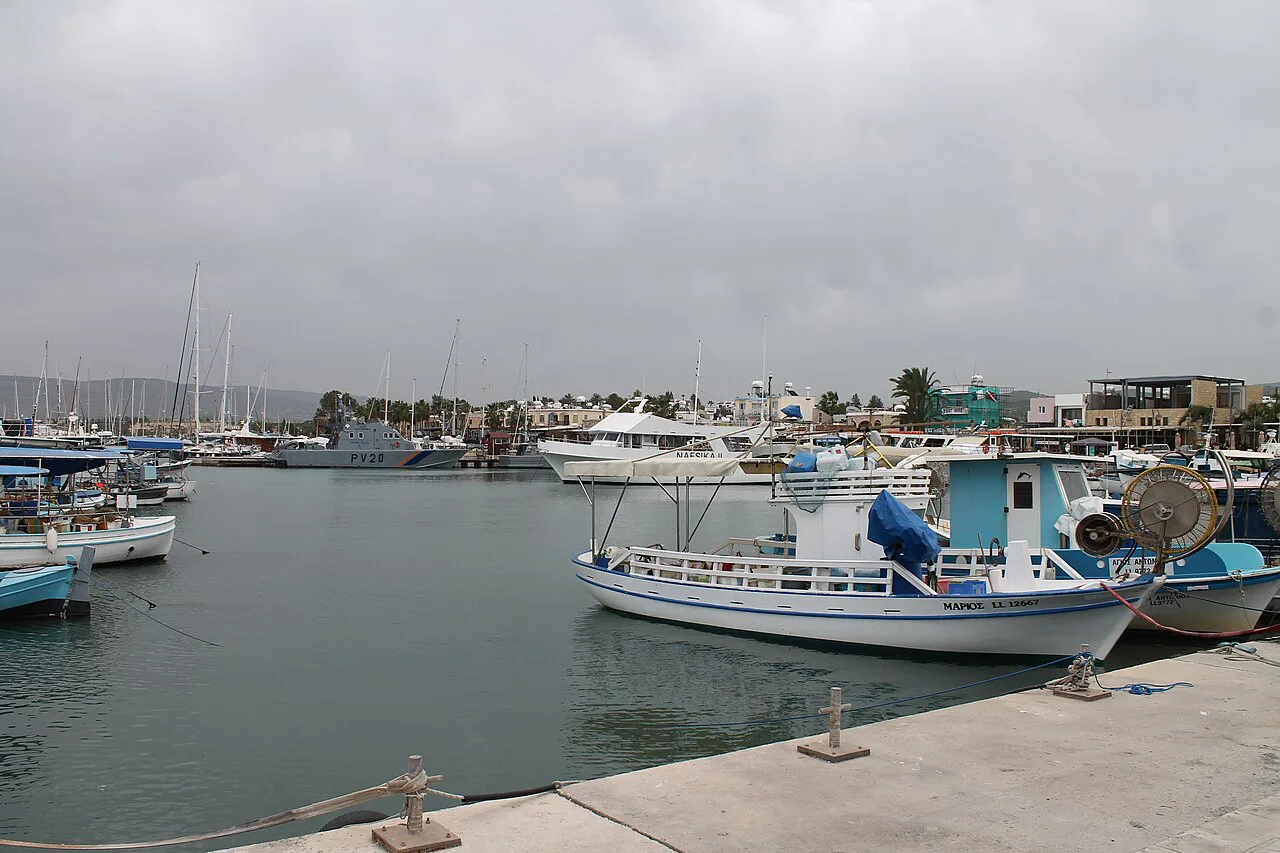
The practical rhythm of Paphos follows the weather. In spring, boat operators and seasonal seafront restaurants may still be running reduced hours or opening only when demand justifies it, and some attractions operate shorter timetables outside summer. Check times with the boat company or venue directly before you build a day around a specific trip.
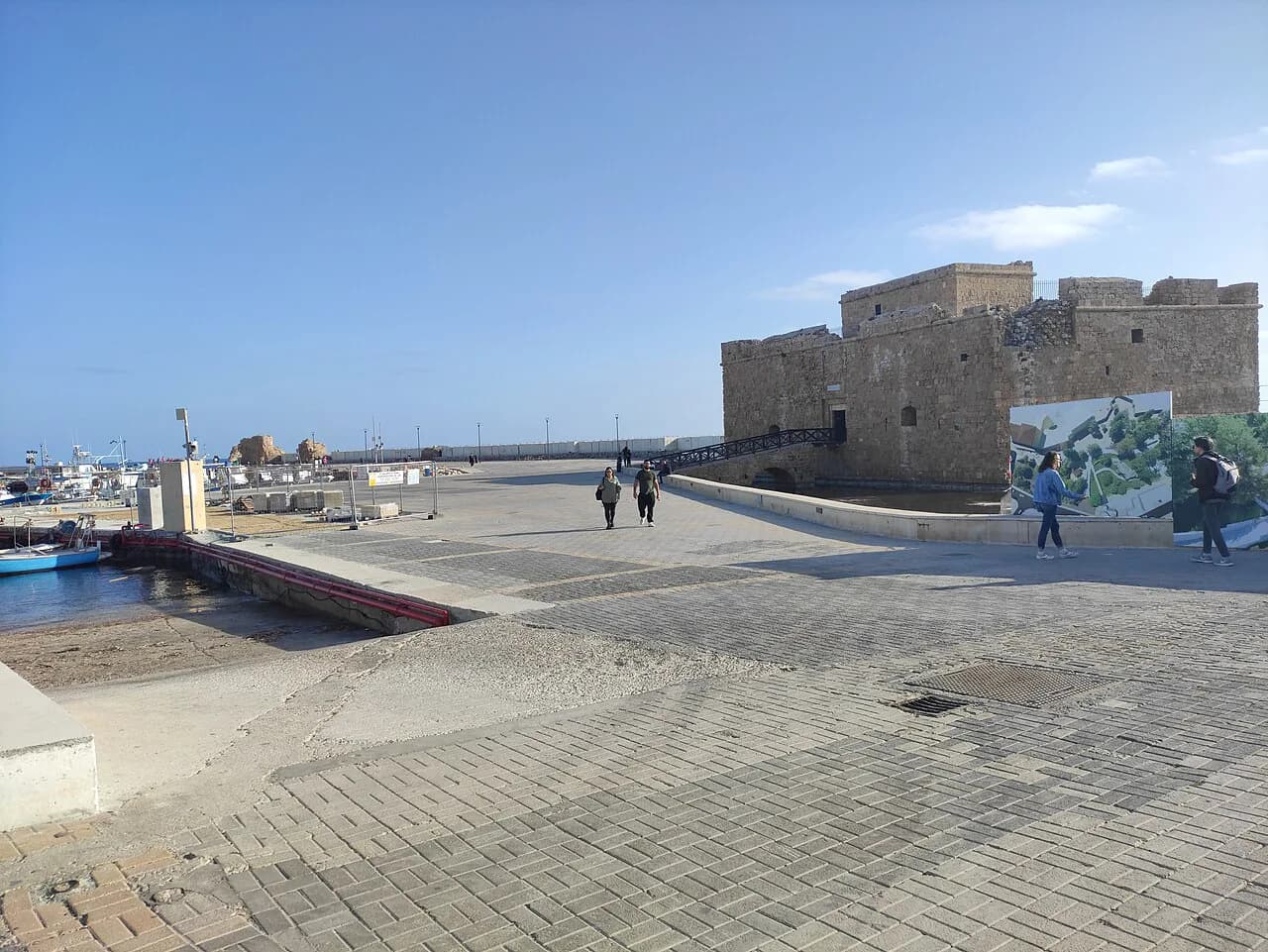
The major sites, including the Kato Paphos Archaeological Site and the Tombs of the Kings, are the anchor of any spring visit because they reward cool mornings and clear light. Mornings in April and May are ideal for the mosaics at Kato Paphos, when the light is low and the paths are quiet; by June you will want to be there at opening.
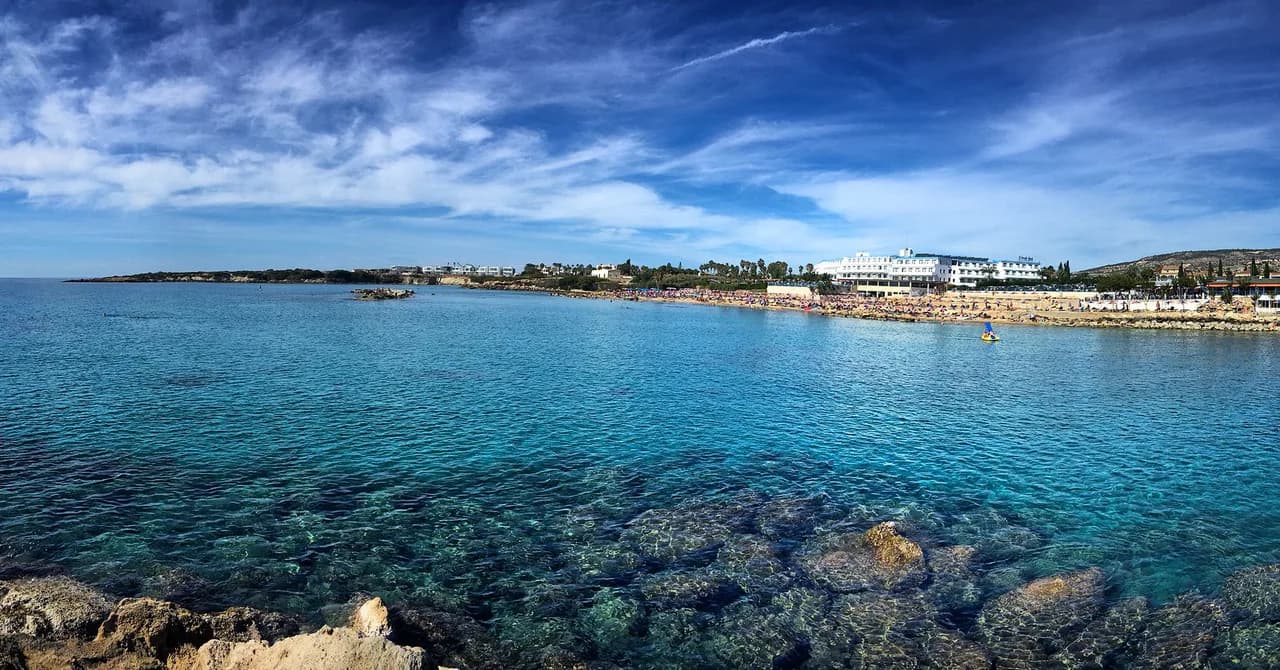
Beyond the town, the Akamas Peninsula and the hills towards Polis and Latchi are at their best in spring, when the walking is comfortable and the landscape is green. Later in the season these become hot, exposed routes best attempted early. For more ideas on how to use the spring window, see things to do in Paphos in April.
Who Each Season Suits
Sightseers and walkers should aim for April and May. The temperatures are made for being on your feet, the sites are manageable, and the evenings, while cool, are pleasant with a layer. Anyone who dislikes heat should avoid July and August altogether.
Families with young children will find June and September the easiest compromise: warm enough for water and long outdoor days, without the intensity of high summer. Those tied to school holidays should plan July or August around mornings and shade, and book early.
Travellers who mainly want to laze by the pool or the sea and do very little should target June or September for reliable warmth with fewer crowds, or July and August if maximum heat and a full resort atmosphere are the point of the trip.
Shoulder Season or High Summer? A Straight Comparison
Choosing between May and July is really a choice between comfort and certainty. May gives you 24.9 °C (77 °F) days, 15.2 °C (59 °F) nights and 336.6 hours of sunshine, which is warm but forgiving; July brings full summer heat and a coast in peak operation, at the cost of midday discomfort and higher prices.
The same trade-off applies to September against June. September usually offers similar warmth with a warmer sea and a calmer feel, while June gives you the longest days and the freshest landscape. Both are excellent; pick September if you want a quieter trip, June if you want the start of the season.
Whichever you choose, avoid the mistake of treating Paphos as uniformly hot. The west coast's spring is mild rather than scorching, and its evenings are cool well into May, so plan for a range rather than a single temperature.
The Verdict
Go in late April to June if you want the best overall balance, with May the standout month for walking, sightseeing and comfortable warmth. Choose June if you want the sea and long evenings to feel like summer, and September if you would rather have that warmth with fewer people around.
Skip July and August unless school holidays force your hand, and treat April as a lovely but variable month with cool evenings. For entry formalities, use the official UK government travel advice page for Cyprus once and leave it at that.
Frequently Asked Questions
When is the best time to visit Paphos?
Late April to June is the best overall window, with May the strongest single month for comfortable warmth, long sunshine hours and low rainfall. September and early October are the best autumn alternative once the August heat has passed.
How hot is Paphos in April and May?
Using 1991–2020 normals for Paphos Airport, April averages about 21.8 °C (71 °F) by day and 11.9 °C (53 °F) at night, and May about 24.9 °C (77 °F) by day and 15.2 °C (59 °F) at night. Both months are bright, with roughly 278 and 337 hours of sunshine respectively.
Is Paphos too hot in July and August?
It is genuinely hot, and the west coast's usual advantage over Larnaca narrows in mid-summer. If you can choose your dates, June and September give you warm weather with far more comfortable conditions for being active outdoors.
Is September a good month for Paphos?
Yes. September keeps the settled, sunny weather of summer while easing off the August peak, and the sea has had a full season to warm. It suits travellers who want summer conditions with slightly calmer resorts and better value than the school holidays.
Which month is the rainiest in Paphos?
Rain is concentrated in the cooler months; among the spring and summer months, April is the wettest in the normals, with 15.2 mm, dropping to 11.1 mm in May and 1.6 mm in June. Winter months carry far more, so a spring trip is a low-risk bet for dry weather.
How does Paphos compare with Larnaca for spring weather?
Larnaca runs warmer: April averages 23.0 °C (73 °F) by day against 21.8 °C (71 °F) in Paphos, and June reaches 30.6 °C (87 °F) against 28.1 °C (83 °F). Paphos is the gentler choice for walking and sightseeing in spring, while Larnaca suits anyone chasing early heat.
How many days is enough in Paphos?
Four to five full days covers the main archaeological sites, the coast around Coral Bay, and a day in the Akamas or the hills. Add a day or two if you want boat trips or a slower pace, and remember that spring sightseeing is best spread across mornings.
Which is the nicest part of Paphos to base yourself?
Kato Paphos puts the harbour, the archaeological park and the Tombs of the Kings within easy reach, which matters most on a short spring trip. Coral Bay and the coast to the north suit anyone who wants more space and quicker access to the Akamas.
Sources
Spring sun notes
Optional updates when we add destinations and months.
You might also like
Continue reading
More guides you'll find useful